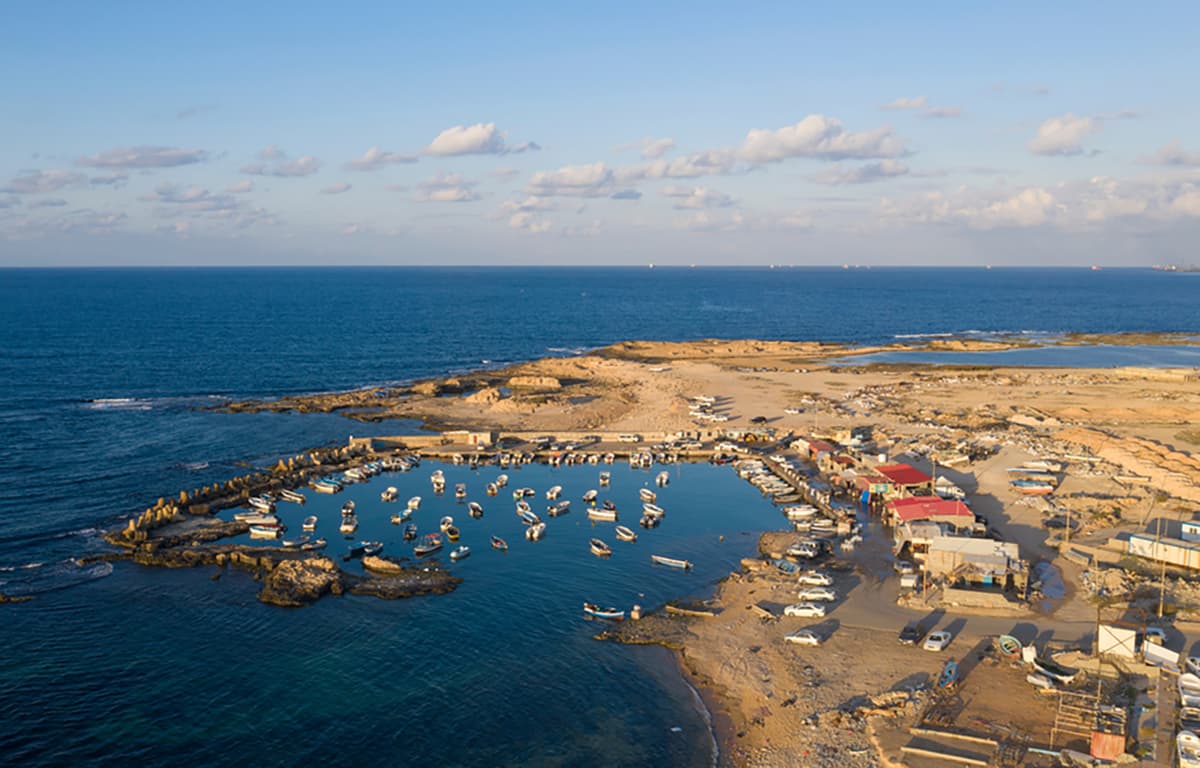
Libya Suspends Fish Exports as It Reassesses Domestic Fisheries Sector
Why It Matters
The export halt forces policymakers to confront structural weaknesses in Libya’s fisheries, a sector crucial for diversifying an oil‑dependent economy and improving food security. Successful reforms could boost domestic supply, create jobs and open new trade channels in the Mediterranean market.
Key Takeaways
- •Libya bans seafood exports for at least 90 days starting 21 April.
- •Domestic fish production averages 45,000 MT, far below Mediterranean neighbors.
- •Small‑scale fisheries make up over 85% of Libya’s catch yet remain unsupported.
- •GFCM and FAO will help Libya build a fisheries monitoring system.
- •Legal and policy reforms are urged to unlock Libya’s blue‑economy potential.
Pulse Analysis
Libya’s decision to suspend seafood exports underscores a broader strategic shift away from an economy dominated by oil and gas. While the country sits on a vast Mediterranean coastline, its annual fish harvest of roughly 45,000 metric tons is a fraction of what neighboring Tunisia, Egypt, Algeria and Morocco produce. The short‑term ban is framed as a protective measure for the domestic market, but it also signals a recognition that the sector’s chronic underperformance stems from outdated vessels, limited cold‑storage capacity, and a lack of modern processing facilities. By halting exports, the government hopes to curb revenue leakage and create breathing room for a comprehensive sector review.
The structural challenges extend beyond infrastructure. Small‑scale fishers, who account for more than 85 percent of national catch, operate with minimal state support, weak organizational structures and heavy reliance on foreign labor. Such constraints have left Libya’s fisheries contribution to GDP negligible despite its blue‑economy potential. International bodies like the African Union‑IBAR have urged sweeping legal and policy reforms, emphasizing the need for stronger governance, better labor practices and investment in sustainable aquaculture. Addressing these gaps could diversify the economy, improve food security and generate employment in coastal communities.
Regional cooperation is now a cornerstone of Libya’s recovery plan. Partnerships with the General Fisheries Commission for the Mediterranean and the United Nations Food and Agriculture Organization aim to establish a national fisheries monitoring system, conduct scientific stock assessments and align data collection with EU standards. Planned marine surveys for 2026‑27 will create a baseline for sustainable management and may pave the way for meeting sanitary requirements demanded by Arab and European markets. If successful, Libya could transition from an export‑restricted posture to a competitive player in the Mediterranean seafood trade, reinforcing its economic resilience and contributing to a more diversified regional blue‑economy landscape.
Libya suspends fish exports as it reassesses domestic fisheries sector
Comments
Want to join the conversation?
Loading comments...