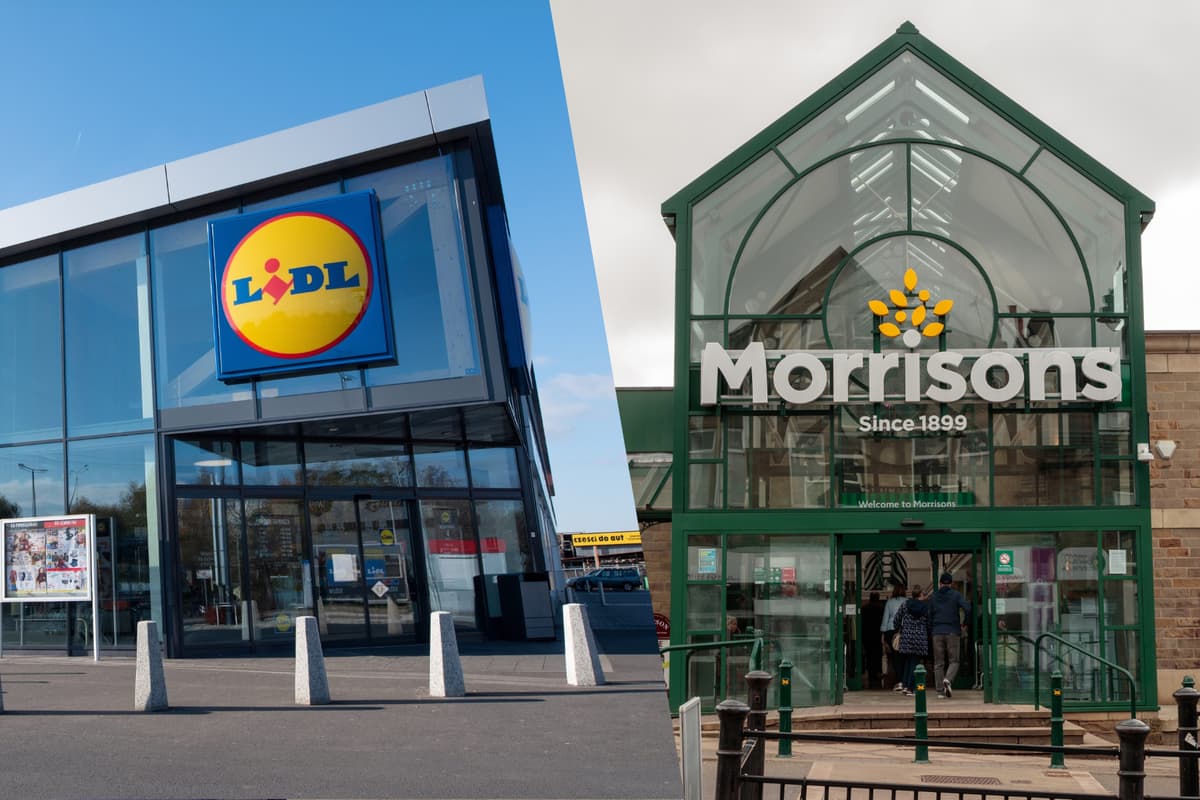
Lidl Ties with Morrisons as Discounter Hits Record Market Share
Why It Matters
Lidl’s record share signals the accelerating power of discounters in a price‑sensitive market, forcing traditional grocers to intensify value strategies. The trend also highlights how geopolitical pressures are reshaping consumer spending toward promotions and discount formats.
Key Takeaways
- •Lidl market share hits record 8.4% in Q1 2026
- •Lidl added over 500,000 new shoppers, matching Morrisons
- •Ocado leads growth with 11.3% sales rise, 2.2% share
- •Grocery inflation eases to 3.8% despite Middle East conflict
- •Promotional spending now 31.3% of total grocery expenditure
Pulse Analysis
Lidl’s 8.8% sales jump in the latest quarter lifted its UK grocery market share to a historic 8.4%, matching Morrisons for the first time. The discounter attracted more than 500,000 new shoppers, the largest net gain among all retailers, underscoring the potency of its low‑price positioning. Analysts attribute the surge to aggressive store‑level promotions, expanded product ranges and a rapid rollout of new formats that appeal to cost‑conscious families. As price pressure mounts, Lidl’s growth challenges the dominance of legacy chains such as Tesco and Sainsbury’s.
The broader grocery market remained subdued, with total take‑home sales up only 0.9% year‑over‑year and inflation easing to 3.8%. Ongoing uncertainty from the Middle East conflict has kept households vigilant about fuel and utility costs, prompting a shift toward discounted items. Promotional spend now accounts for 31.3% of grocery expenditure, up from previous months, while spending on full‑price goods slipped 0.2%. This pattern signals that shoppers are prioritising value over brand loyalty, pressuring retailers to deepen price‑cut strategies.
Lidl’s momentum is backed by a £600 million (≈ $762 million) investment in new store openings slated for the next two years, a rollout that will deepen its footprint in suburban and regional markets. The capital infusion is expected to generate incremental sales while squeezing margins for incumbents that must match discount pricing. Meanwhile, online specialist Ocado posted the fastest growth, with an 11.3% sales rise and a 2.2% market share, highlighting the continued relevance of e‑commerce in a price‑sensitive environment. Combined, these dynamics suggest a reshaping of the UK grocery landscape, where value, convenience and aggressive expansion will dictate competitive advantage.
Lidl ties with Morrisons as discounter hits record market share
Comments
Want to join the conversation?
Loading comments...