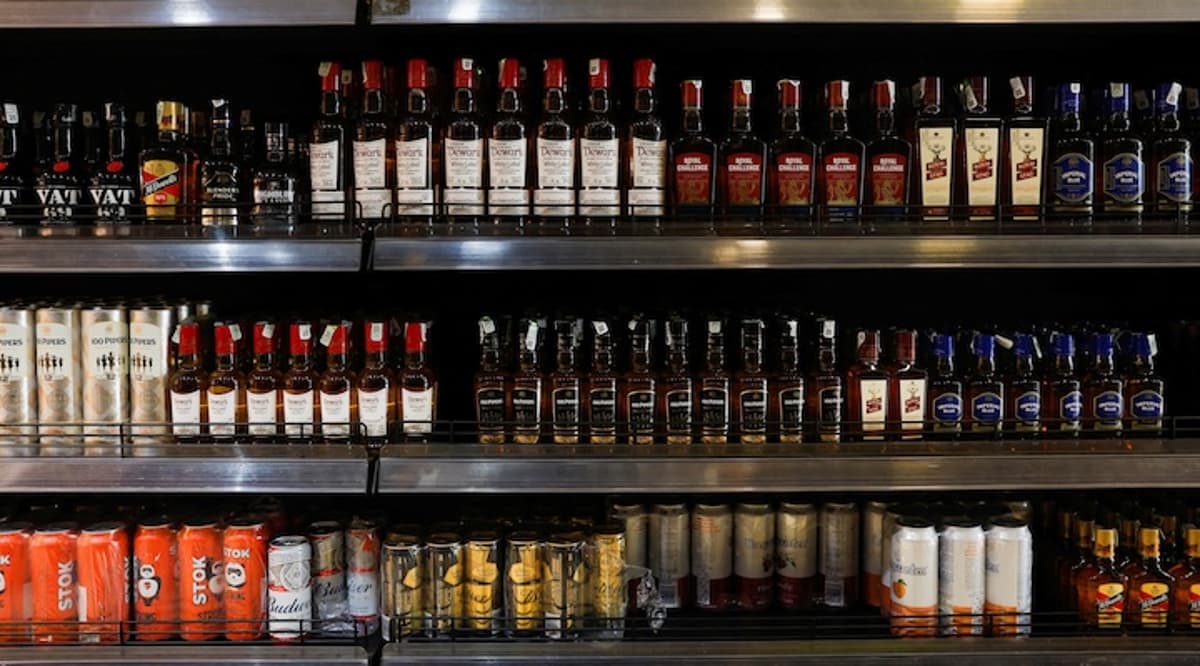
Liquor Consumption Set to Shrink in the Next Decade, Research Finds
Why It Matters
The trend forces major spirits and beer producers to rethink growth strategies, reallocating resources toward emerging markets and innovative product categories as legacy markets contract.
Key Takeaways
- •Global alcohol volumes projected to fall 1% by 2035.
- •India to become second‑largest market, growing 38% by 2032.
- •Per‑capita pure‑alcohol consumption drops two bottles per year.
- •China and US alcohol servings expected to decline 18% by 2035.
- •Canned cocktails and low‑alcohol drinks gaining market share.
Pulse Analysis
The downward trajectory in global alcohol consumption reflects a confluence of macro‑economic pressures and shifting consumer mindsets. Rising living costs have squeezed discretionary spending, while heightened health awareness and the emergence of prescription weight‑loss drugs discourage frequent drinking. IWSR’s ten‑year outlook, covering 160 markets, underscores that these forces will outweigh demographic growth, keeping total volumes in decline through 2035. This backdrop challenges legacy brands that have relied on volume‑driven growth and forces them to prioritize premiumization and efficiency.
Meanwhile, the geographic balance of demand is tilting sharply toward emerging economies. India’s projected 38% market expansion by 2032 will elevate it to the second‑largest alcohol market, overtaking the United States. Mexico, Vietnam and Colombia also show double‑digit growth, creating new revenue pipelines for multinational brewers and distillers. Conversely, established markets such as China, the United States, Germany, Japan and the United Kingdom are slated to see serving reductions of 18% or more, pressuring companies to trim inventories and re‑evaluate pricing models. The rise of alternative formats—canned cocktails, low‑alcohol spirits, and ready‑to‑drink blends—offers a hedge against shrinking traditional volumes.
For investors and executives, the data signals a strategic inflection point. Portfolio diversification toward high‑growth regions, alongside accelerated innovation in health‑focused and convenient offerings, will be critical to sustain earnings. Companies that cling to legacy product lines risk valuation compression as market caps shrink, as seen with Diageo and Anheuser‑Busch InBev’s recent stock performance. Embracing sustainable sourcing, dynamic pricing, and digital distribution can offset volume losses, while targeted marketing to younger, health‑conscious consumers can capture the next wave of demand. In this evolving landscape, agility and consumer‑centric product development will define the winners.
Liquor consumption set to shrink in the next decade, research finds
Comments
Want to join the conversation?
Loading comments...