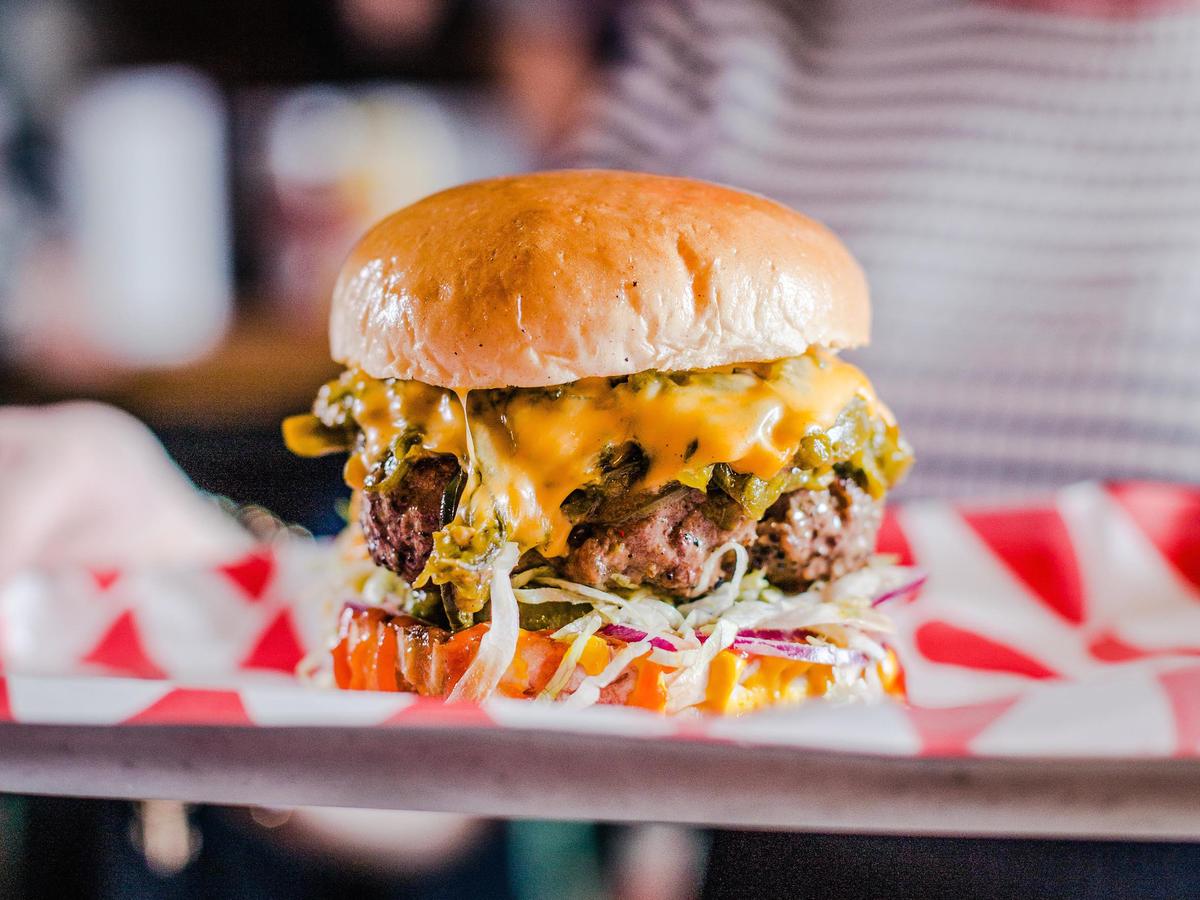
London Smash Burger Restaurant MeatLiquor Has Shut More than Half Its Locations
Why It Matters
The rapid contraction underscores how economic volatility, labor disruptions and geopolitical tensions are squeezing mid‑market restaurant operators, signaling broader challenges for the UK dining industry.
Key Takeaways
- •Over 50% of MeatLiquor venues closed since 2025.
- •Founder warned of no profit in upcoming financial year.
- •Closures include Clapham Junction, Queensway, Islington, Brighton, Leeds.
- •Remaining sites: East Dulwich, Oxford Circus, Bloodsports Covent Garden.
- •Industry cites war, tube strikes, cost pressures driving cuts.
Pulse Analysis
MeatLiquor’s decline illustrates the fragility of fast‑casual concepts that expanded rapidly on a hype‑driven model. Launched in 2011, the brand built a reputation for “dude food” and grew to eleven locations by 2018. However, a tax raid and mounting operational costs left cash reserves thin, prompting the appointment of BPI Asset Advisory and a strategic pull‑back that eliminated more than half of its footprint. The remaining sites now serve as a testbed for a leaner, perhaps more sustainable, operating structure.
The UK hospitality landscape is contending with a perfect storm of headwinds. Persistent inflation has eroded consumer discretionary spend, while a series of tube strikes and the lingering effects of the Ukraine‑Russia conflict have disrupted supply chains and heightened uncertainty. Labor shortages, driven by post‑pandemic workforce shifts, force restaurants to either raise wages or cut staff, squeezing margins further. In this environment, even well‑known brands like MeatLiquor find it difficult to maintain profitability without aggressive cost controls or a compelling value proposition.
For investors and industry observers, MeatLiquor’s retrenchment signals potential consolidation opportunities. Competitors may acquire prime locations at discounted rates, while the market may see a shift toward ghost‑kitchen models that lower overhead. Restaurateurs are likely to prioritize cash‑flow resilience, diversify revenue streams, and adopt technology‑enabled ordering to mitigate future shocks. As the sector adapts, the survivors will be those that balance brand appeal with disciplined financial management.
London smash burger restaurant MeatLiquor has shut more than half its locations
Comments
Want to join the conversation?
Loading comments...