Matcha Mania: The Latest Wave of Green Tea NPD
Why It Matters
The surge of plant‑based matcha beverages signals rapid mainstream adoption, giving retailers a high‑growth, lower‑caffeine alternative to coffee and traditional tea.
Key Takeaways
- •Alpro launches UK's first plant‑based RTD matcha, $3.5 per litre.
- •Matcha RTD share rose to 12% of tea market by Oct 2025.
- •PerfectTed now in 35,000 stores, adds blueberry and original flavors.
- •Lantern introduces matcha soda in 187 ml bottles and 250 ml cans.
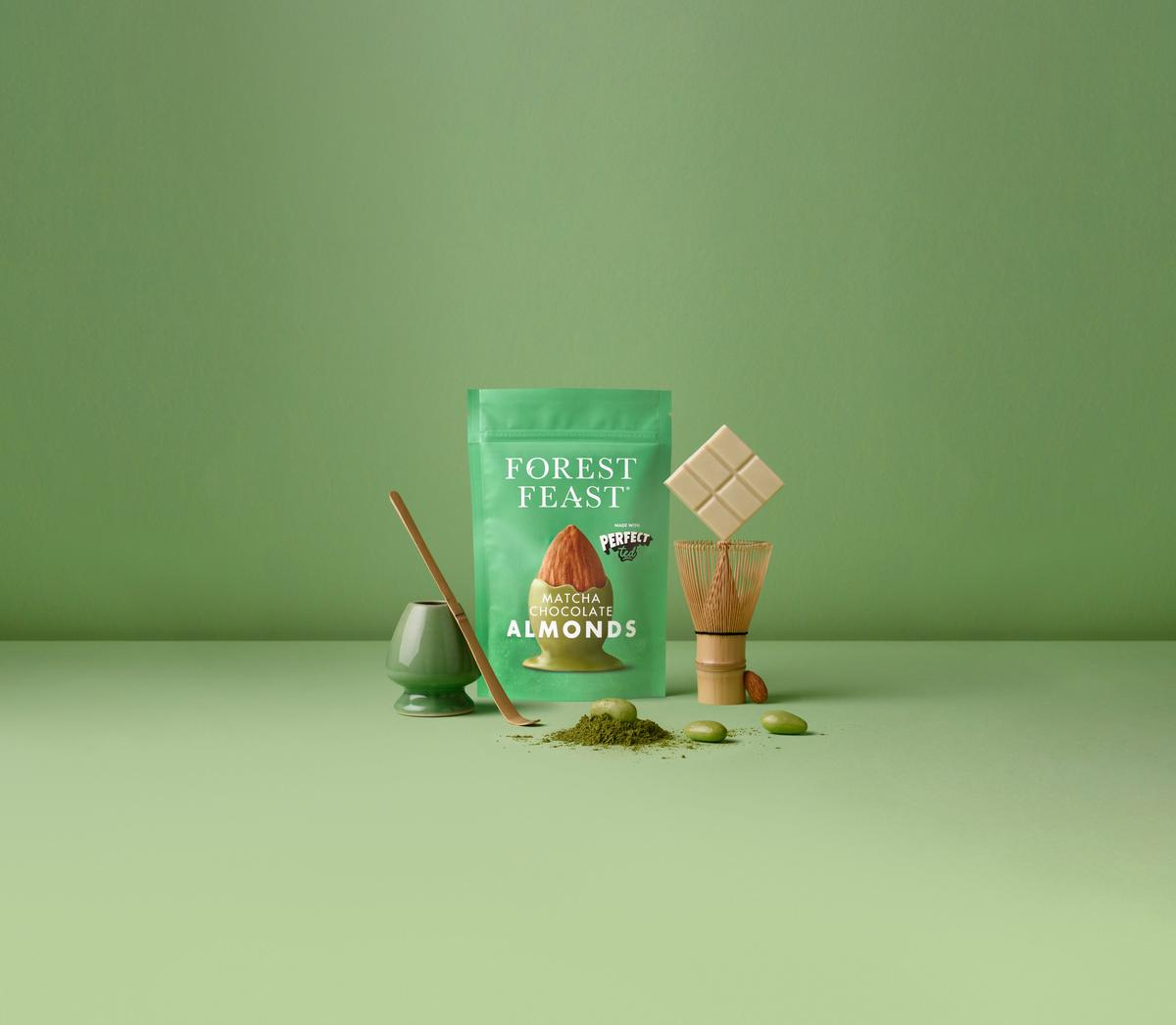
- •Forest Feast rolls out matcha‑infused chocolate almonds in UK supermarkets.
Pulse Analysis
The matcha boom is reshaping the ready‑to‑drink (RTD) landscape as health‑focused, lower‑caffeine options win over younger consumers. Data shows matcha‑based drinks have leapt from 5 % of the tea category in 2023 to 12 % by the first ten months of 2025, with 72 % of green‑tea drinkers under 35 opting for hot matcha. This shift reflects a broader move toward plant‑based, functional beverages that can double as coffee alternatives, especially among Gen Z and Millennials seeking convenient, on‑trend formats.
Brands are capitalising on the momentum with differentiated product strategies. Alpro’s soy‑coconut matcha, priced at roughly $3.5 per litre, targets afternoon consumption and leverages Danone’s investment in UK oat sourcing. PerfectTed’s oat‑based matcha lattes, now in blueberry and original flavours, extend a portfolio that already spans 35,000 retail locations in 50 markets. In the United States, Lantern’s matcha soda offers a carbonated, shelf‑stable option in both 187 ml bottles for foodservice and 250 ml cans for mass retail, while Forest Feast’s matcha‑infused chocolate almonds bring the trend into the snacking aisle.
The rapid rollout underscores matcha’s potential as a growth engine for the plant‑based sector. Retailers that secure shelf space early can capture a segment that is still under‑served, particularly in non‑dairy formats. However, brands must navigate supply‑chain constraints for ceremonial‑grade Japanese matcha and maintain price competitiveness against traditional tea and coffee. Continued innovation—such as functional blends, premium packaging, and cross‑category extensions—will likely sustain the category’s upward trajectory over the next few years.
Matcha mania: The latest wave of green tea NPD
Comments
Want to join the conversation?
Loading comments...