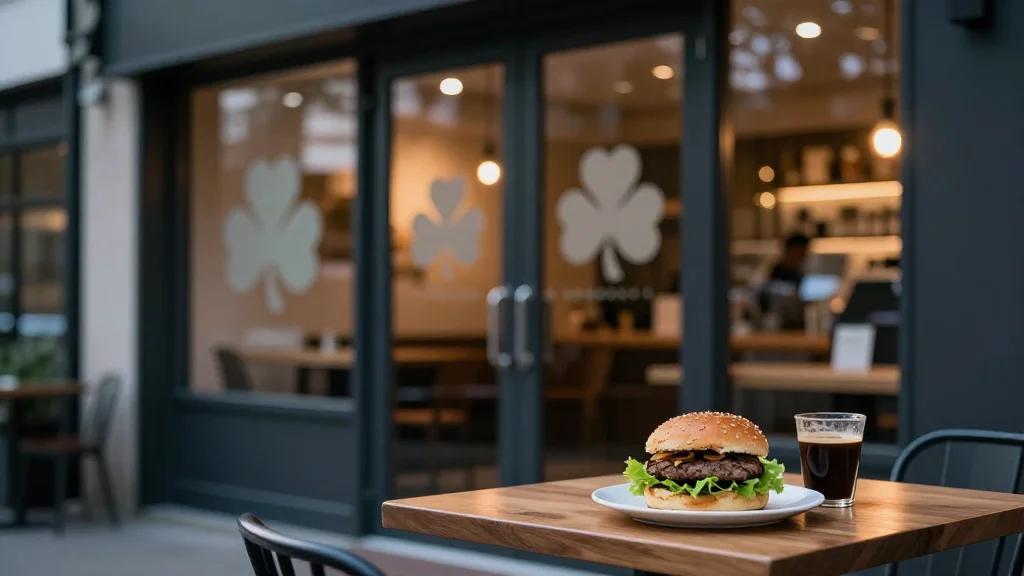
Meat-Free Restaurant Clover Food Lab to Close All Locations After 17 Years
Why It Matters
The exit of a once‑prominent meat‑free brand highlights the vulnerability of niche restaurant concepts to inflation and post‑pandemic market pressures, signaling challenges for the broader plant‑based foodservice sector.
Key Takeaways
- •Clover Food Lab shutters 11 sites, 182 staff impacted
- •Ingredient costs rose 30‑50% over two years
- •EBITDA margins were 18% before pandemic hit
- •Plant‑based protein sales fell 7% to $291 M in 2025
- •Vegan chains like Hart House and Neat also closed recently
Pulse Analysis
Clover Food Lab’s collapse underscores how macro‑economic headwinds can overwhelm even well‑established niche concepts. After two decades of championing locally sourced, compostable dining, the chain struggled with pandemic‑induced revenue drops, soaring food‑price inflation and a costly lease for a new commissary. Despite a Chapter 11 restructuring and a brief leadership change, the company could not secure financing or a buyer, leading to a WARN‑required shutdown that will eliminate 182 jobs across Greater Boston.
The broader plant‑based restaurant landscape is feeling similar pressure. Industry data shows a 7% decline in U.S. foodservice sales of plant‑based proteins in 2025, falling to $291 million, while milk alternatives and dairy‑free creamers posted modest gains. High‑cost ingredients, rising delivery fees, and consumers tightening discretionary spending have squeezed margins that were already razor‑thin. As a result, several high‑profile vegan ventures—Kevin Hart’s Hart House, Neat, and Matthew Kenney’s Veg’d—have also folded, illustrating a sector‑wide contraction.
Investors and operators should view Clover’s fate as a cautionary tale about scaling sustainable concepts without robust financial buffers. Future success may hinge on diversifying revenue streams, leveraging technology to control costs, and aligning price points with consumer sensitivity to inflation. Moreover, strategic partnerships with established foodservice distributors could provide the economies of scale needed to weather volatile commodity markets. For stakeholders, the key takeaway is that brand ethos alone cannot offset fundamental economic realities in the competitive restaurant arena.
Meat-Free Restaurant Clover Food Lab to Close All Locations After 17 Years
Comments
Want to join the conversation?
Loading comments...