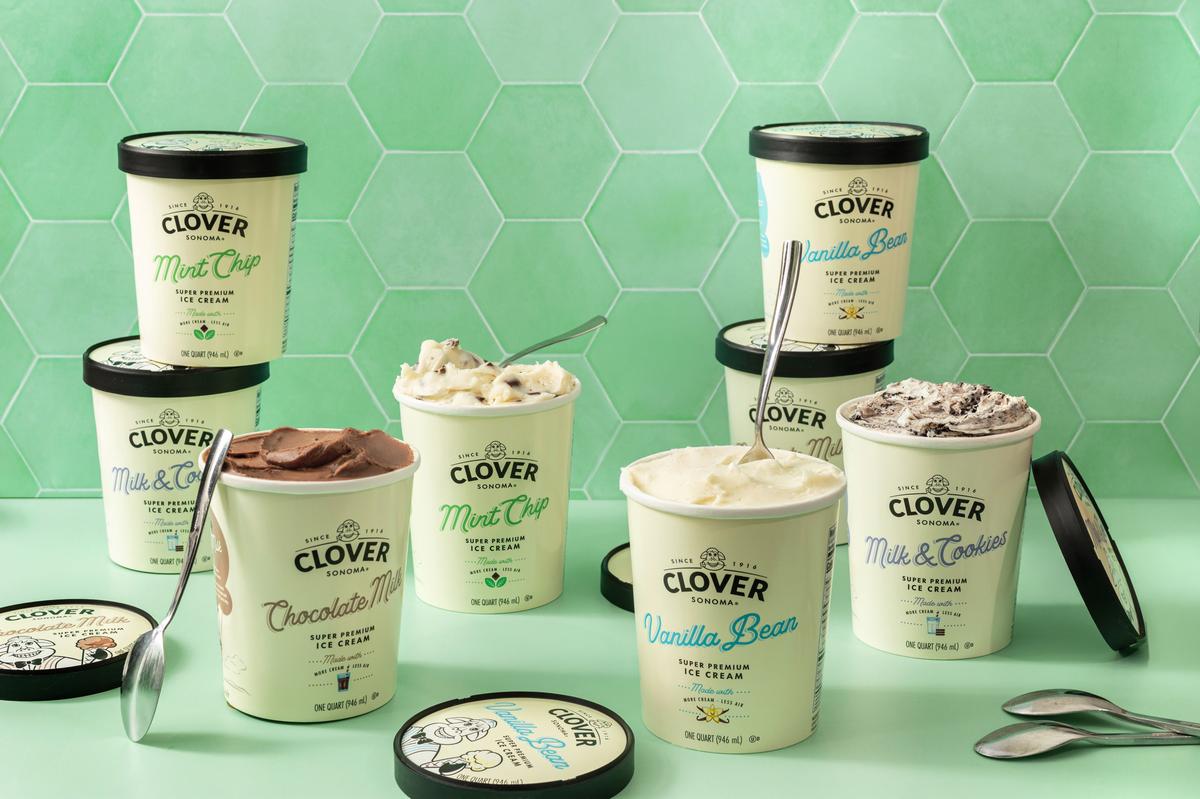
More Cream, Less Air: What Makes Ice Cream ‘Super-Premium’?
Why It Matters
Super‑premium ice cream shows consumers are willing to pay for denser, cleaner‑label indulgence, opening a higher‑margin niche for dairy brands amid stagnant discretionary spending.
Key Takeaways
- •Clover Sonoma’s super‑premium line has 14% butterfat, 30% overrun.
- •Priced at $9.99 per 32‑oz quart, targeting label‑conscious shoppers.
- •Premium rivals saw sales growth: Ben & Jerry’s +5.5% to $1.1 bn.
- •Low overrun yields denser ice cream that melts slower, enhancing satisfaction.
Pulse Analysis
The super‑premium ice‑cream segment is defined by two technical metrics: butterfat content and overrun. At 14% butterfat, Clover Sonoma’s product exceeds the typical 10% found in standard premium brands, while a 30% overrun means the mix contains far less air than the industry average of 50‑70%. The result is a denser scoop that delivers richer mouthfeel and a slower melt rate, qualities that justify a near‑$10 price point for a 32‑oz container. Consumers increasingly scrutinize label claims, and the brand’s emphasis on real ingredients—Madagascar vanilla specks, authentic chocolate milk—aligns with the clean‑label movement that dominates today’s grocery aisles.
While overall ice‑cream sales dipped last year, the premium tier proved resilient. Ben & Jerry’s reported a 5.5% year‑over‑year increase to $1.1 billion, and Tillamook posted a 9% rise to $434 million, signaling that shoppers are reallocating spend toward higher‑quality indulgences. Super‑premium offerings sit at the top of this value migration, targeting food‑conscious consumers who prioritize ingredient transparency over volume. The higher butterfat and lower overrun also translate into a better cost‑per‑satisfying‑serving metric, a point the brand highlights to rationalize its premium pricing.
Looking ahead, the super‑premium category is poised for continued expansion as the “special‑occasion only” perception of ice‑cream erodes. Health‑focused shoppers are integrating indulgent items into everyday diets, provided the products meet clean‑label expectations. With major players like Häagen‑Dazs, Talenti and Tillamook already experimenting with denser, ingredient‑forward formulas, the market is likely to see intensified competition and incremental innovation in flavor and texture. For dairy manufacturers, investing in higher butterfat blends and transparent sourcing could unlock new margin opportunities while satisfying a growing cohort of label‑savvy consumers.
More cream, less air: What makes ice cream ‘super-premium’?
Comments
Want to join the conversation?
Loading comments...