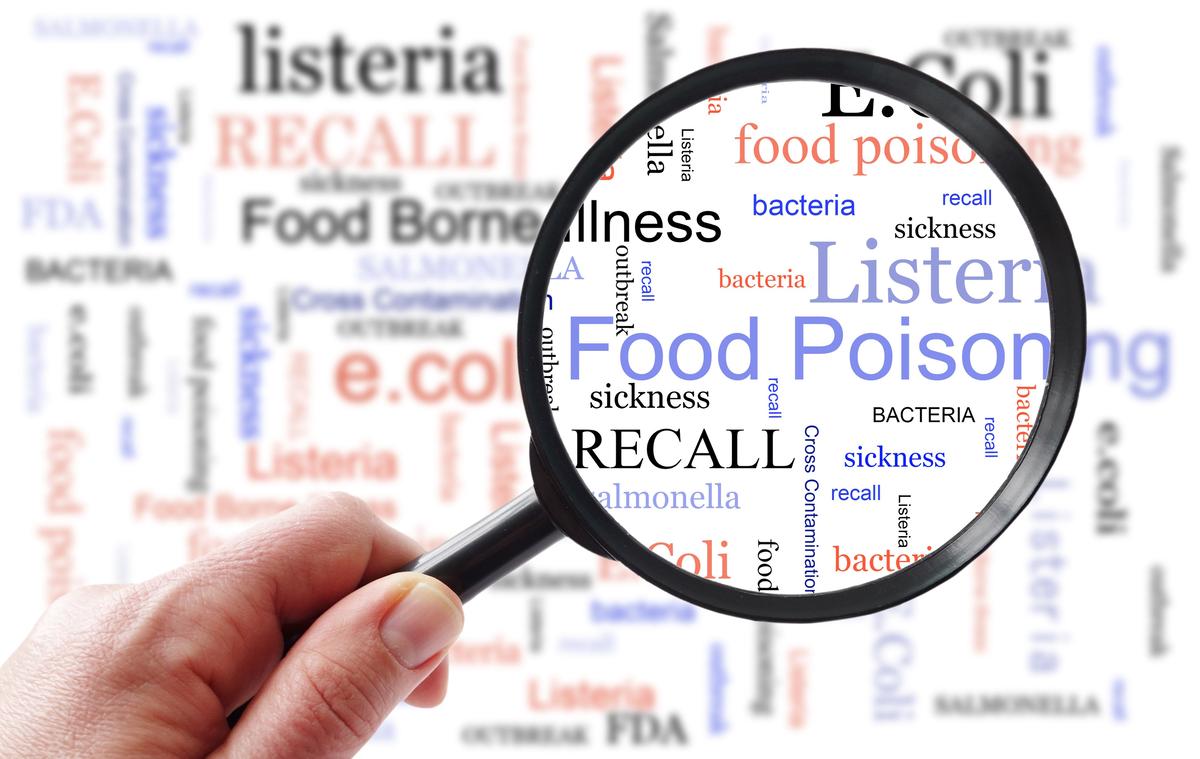
Mould, Microbes and the $10m Mistake Food Companies Keep Making
Companies Mentioned
Why It Matters
When a single contamination event can erase millions of dollars in days, treating food safety as a strategic priority safeguards revenue, reputation, and investor confidence across the food sector.
Key Takeaways
- •Average direct recall cost $10 M; total US impact $75 B annually
- •Climate‑driven heat, drought, floods boost microbial growth and mycotoxin variability
- •Layered global supply chains raise verification challenges and fraud risk
- •Proactive safety programs linked to GFSI benchmarks become commercial assets
- •Fast digital traceability forces companies to respond to incidents within days
Pulse Analysis
The financial stakes of food‑safety lapses have exploded beyond traditional recall budgets. While industry reports cite a $10 million average for direct recall costs, the ripple effect—legal exposure, lost shelf space, production shutdowns, and brand erosion—pushes the total economic burden to roughly $75 billion each year in the United States and about $13 billion in the United Kingdom. These figures dwarf earlier estimates and underscore why senior executives must view safety as a balance‑sheet item rather than a regulatory afterthought.
Climate change is reshaping the risk landscape in ways static control systems cannot anticipate. Rising temperatures accelerate bacterial proliferation, while erratic weather patterns—drought followed by heavy rain—introduce new contamination pathways and elevate mycotoxin levels in grains, nuts, and fruits. Simultaneously, globalized, multi‑tiered supply chains increase the difficulty of verifying ingredient provenance, opening doors for fraud and undeclared allergens. The convergence of environmental volatility and supply‑chain complexity means that historical risk models are losing predictive power, demanding real‑time data and adaptive mitigation strategies.
In response, leading food manufacturers are integrating safety into the core of their risk‑management frameworks, often through globally recognized GFSI schemes such as BRCGS, SQF, and FSSC 22000. These benchmarks provide a common language for auditors, retailers, and investors, turning compliance into a competitive advantage. Companies that adopt proactive, traceability‑driven approaches can react within hours to emerging threats, preserving consumer trust and protecting market share. As investors increasingly scrutinize ESG and safety metrics, robust food‑safety programs are evolving from cost centers into tangible assets that drive resilience and long‑term growth.
Mould, microbes and the $10m mistake food companies keep making
Comments
Want to join the conversation?
Loading comments...