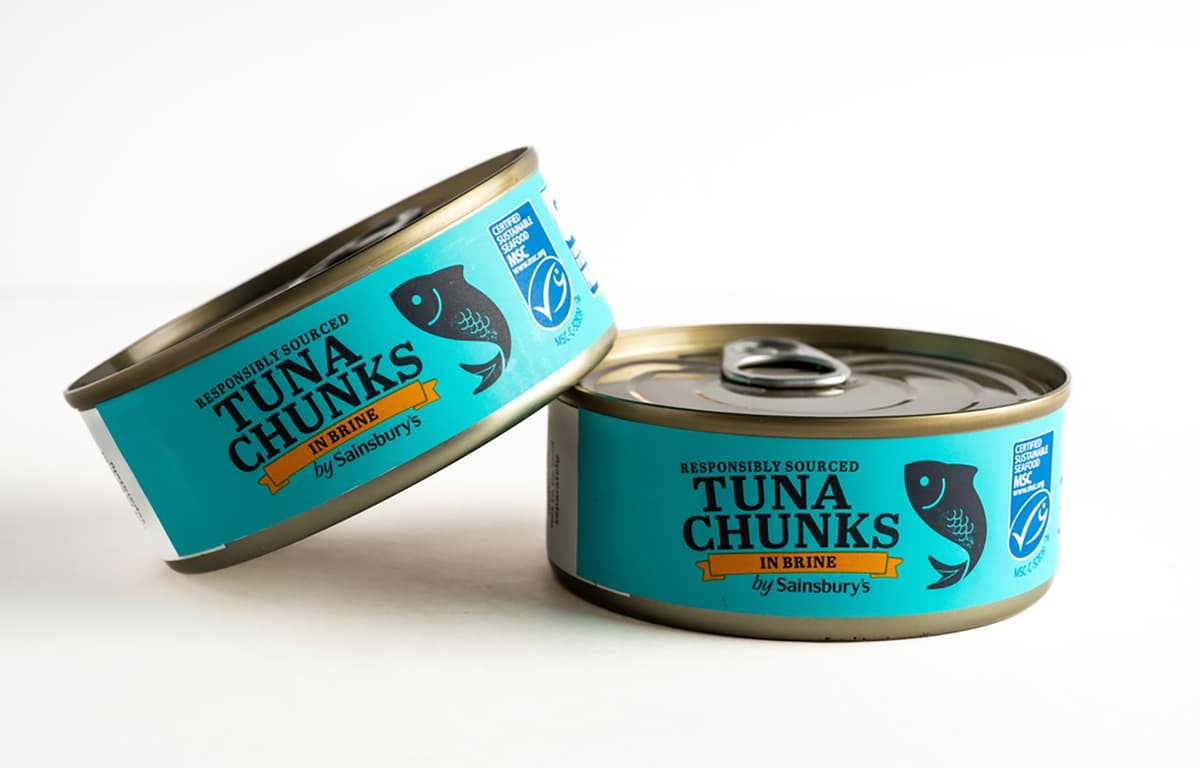
MSC-Certified Tuna Sales Jump Globally, with British Shoppers Particularly Driving Demand
Companies Mentioned

Why It Matters
The surge demonstrates that large‑scale sustainable sourcing can be mainstreamed without price penalties, reshaping seafood supply chains and pressuring competitors to adopt eco‑labels. It also signals growing consumer power in driving ocean‑friendly practices.
Key Takeaways
- •MSC‑certified tuna now tops UK sales, overtaking cod
- •49% of UK tuna now MSC‑labeled, up from 18% in 2021
- •UK bought 45,840 MT MSC tuna 2024‑25, 18% of global sales
- •US and Germany each sold over 75,000 MT MSC tuna in 2025‑26
- •Walmart, Waitrose, Tesco now offer 100% MSC‑certified own‑brand tuna
Pulse Analysis
Sustainable seafood has moved from niche to norm, and the Marine Stewardship Council’s tuna program illustrates that shift. In the United Kingdom, the MSC label now graces nearly half of all tuna products on supermarket shelves, a dramatic rise from just 18% three years ago. This rapid adoption reflects coordinated retail commitments, from premium chains like Waitrose to value‑focused discounters such as Lidl and Aldi, and underscores the label’s growing credibility among price‑sensitive shoppers.
The momentum extends beyond the UK. Global MSC‑certified tuna sales jumped 39% to more than 400,000 metric tons in 2025‑26, with the United States and Germany each moving roughly 77,000‑88,000 MT. Younger consumers are a key driver; 83% of those under 30 actively seek sustainable seafood, prompting retailers to expand certified ranges and prompting brands like Walmart to achieve 100% MSC certification for their own‑brand canned tuna. These trends illustrate how consumer demand can accelerate supply‑chain transformation and create economies of scale that keep sustainable options affordable.
Despite the progress, challenges remain. Not all tuna stocks are covered by robust, science‑based harvest strategies, and climate change threatens to intensify pressure on vulnerable populations. Moreover, the foodservice sector lags behind retail in offering MSC‑certified tuna, representing a missed opportunity for broader market penetration. Ongoing policy advances, such as the Western and Central Pacific Fisheries Commission’s new management framework for South Pacific albacore, provide a blueprint for scaling sustainability across the industry. Continued collaboration among fisheries, retailers, and regulators will be essential to lock in gains and ensure that today’s certified tuna remains a lasting component of a healthier ocean economy.
MSC-certified tuna sales jump globally, with British shoppers particularly driving demand
Comments
Want to join the conversation?
Loading comments...