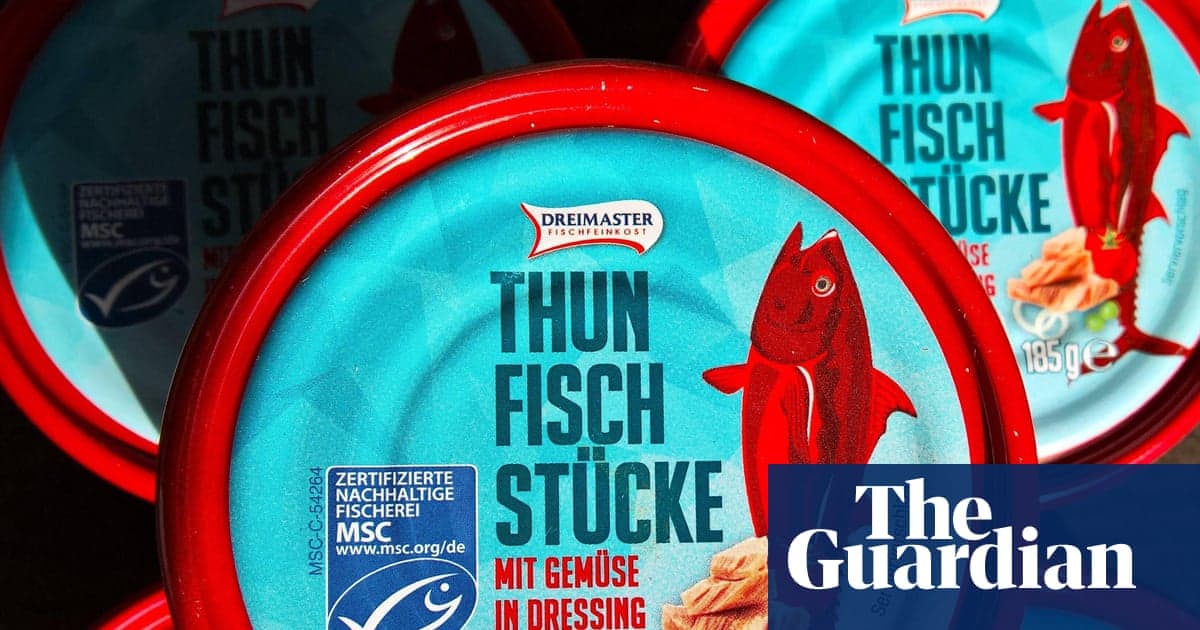
MSC’s ‘Blue Tick’ Scheme Creates Illusion of Ethically Sourced Fish, Study Claims
Why It Matters
The revelation exposes a gap between environmental certification and human‑rights safeguards, risking reputational damage for brands that rely on MSC labels and prompting calls for more comprehensive seafood standards.
Key Takeaways
- •20% of MSC‑certified vessels linked to reported labour abuses
- •Study found 80 abuse cases on 72 vessels across 25 fisheries
- •Most common violations: unpaid wages, excessive hours, debt bondage
- •MSC excludes only vessels with convictions, leaving many abuses unchecked
- •ITF warns the blue tick may mislead consumers on ethics
Pulse Analysis
The Marine Stewardship Council (MSC) has long been a benchmark for environmentally sustainable seafood, its blue‑tick logo signaling to shoppers that a product meets strict fish‑stock criteria. Yet the council explicitly states it provides no social assurance, focusing solely on ecological impact. A new analysis by the International Transport Workers’ Federation (ITF) cross‑checked its certification database with 462 reported labour‑abuse cases, uncovering 80 incidents on 72 vessels that carried the MSC label. The abuses range from unpaid wages and excessive hours to forced labour and human trafficking, highlighting a systemic blind spot in the current certification model.
For retailers and foodservice operators, the study raises a red flag: the blue tick may inadvertently green‑wash products that are ethically compromised on the labor front. Consumer confidence in sustainability claims hinges on holistic standards that address both environmental and human‑rights dimensions. As supply chains become increasingly scrutinized, brands that rely exclusively on MSC certification risk exposure to legal, reputational, and financial liabilities. Moreover, the findings could accelerate regulatory interest in integrating social criteria into seafood labeling, mirroring moves in other commodity sectors such as coffee and timber.
MSC has responded by emphasizing its limited mandate and noting that it excludes vessels with criminal convictions for forced or child labour. However, critics argue that convictions are rare and do not capture the full spectrum of exploitation. The council’s recent steps—ending ineffective third‑party social audits and planning an online transparency portal—signal an awareness of the issue but fall short of a comprehensive solution. Industry observers suggest that future certification schemes must blend ecological metrics with robust labour‑rights audits, creating a unified standard that truly guarantees sustainable and ethical seafood from ocean to plate.
MSC’s ‘blue tick’ scheme creates illusion of ethically sourced fish, study claims
Comments
Want to join the conversation?
Loading comments...