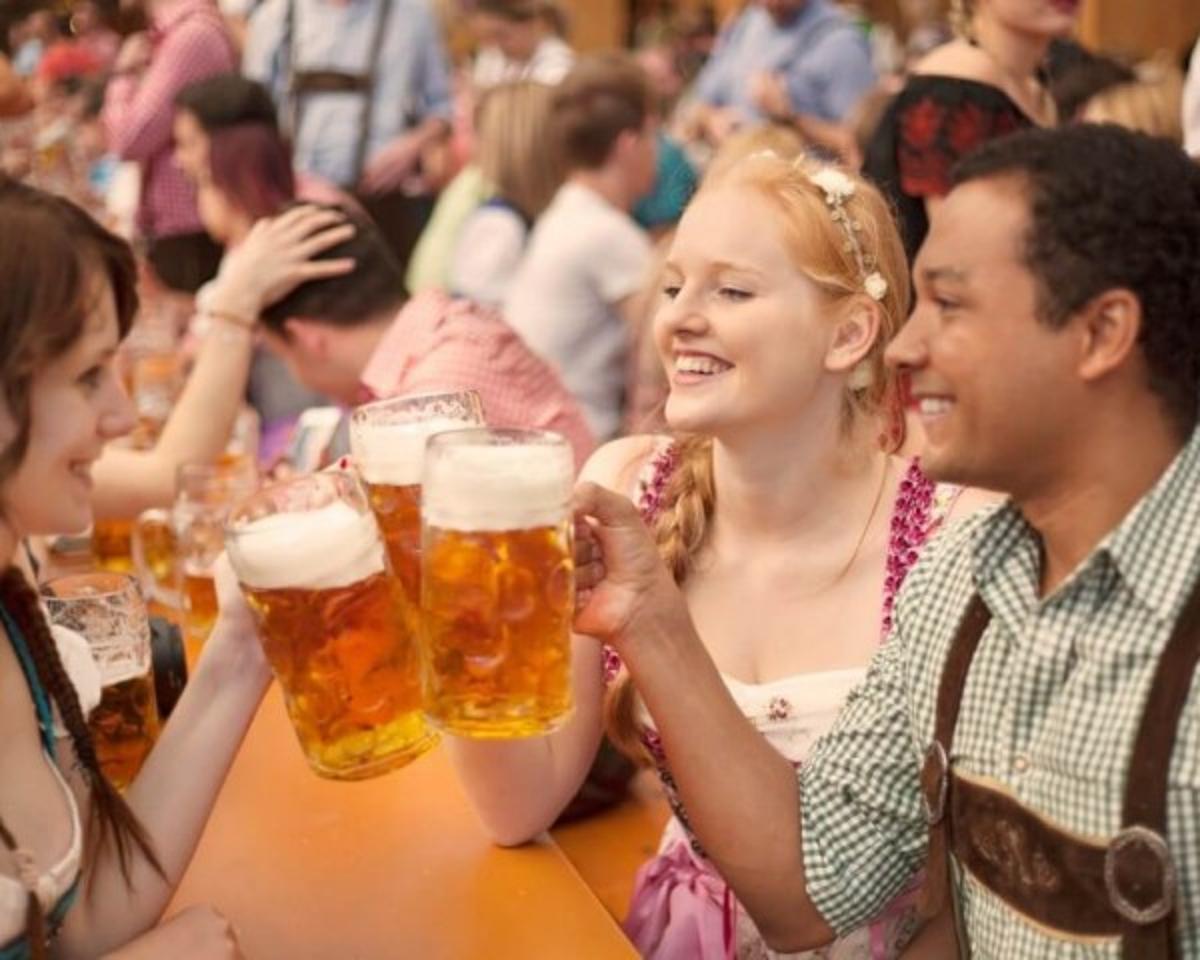
MUNICH’S OKTOBERFEST 2026: BEER PRICES RISE AGAIN
Why It Matters
Higher beverage prices test the balance between preserving Oktoberfest’s traditional appeal and maintaining affordability for a massive tourist influx, directly affecting Munich’s hospitality revenue and visitor spending patterns.
Key Takeaways
- •Oktoberfest beer price hits €15.90 per liter (~$17.3), highest since 2025
- •City caps price below €16 to avoid stark psychological threshold
- •Non‑alcoholic drinks also rose, water now €11.13 (~$12.1) per liter
- •Visitor numbers stay near six million despite higher beverage costs
Pulse Analysis
The 2026 Oktoberfest price hike reflects a broader trend of localized inflation in Germany’s service sector. While the city’s 2.38% consumer‑price increase is modest, it translates into a noticeable uptick for festival-goers, especially when the iconic Maß of beer climbs to €15.90 per liter. Munich’s authorities deliberately capped the price just under €16, a move rooted in behavioral economics: crossing that round‑number barrier could trigger a perception of excessive cost and deter attendance. By managing the ceiling, the city safeguards the event’s reputation for reasonable pricing while still covering rising vendor expenses.
Tourism analysts note that the festival’s draw remains resilient; six million visitors are projected despite the higher spend per drink. Higher per‑capita beverage costs can boost overall revenue for breweries and concessionaires, but they also squeeze discretionary budgets, potentially shifting spending toward food, merchandise, or premium experiences. Compared with other major European festivals, Oktoberfest’s price elasticity appears lower, thanks to its deep cultural embedment and the limited availability of comparable alternatives. The incremental rise in non‑alcoholic options, such as water and Spezi, signals vendors’ attempts to capture a broader consumer base, including health‑conscious attendees.
Looking ahead, Munich may explore tiered pricing or bundled packages to soften the impact of future inflationary pressures. Introducing more value‑added experiences—like guided brewery tours or exclusive tasting sessions—could justify higher price points while enhancing visitor satisfaction. For the German economy, Oktoberfest remains a vital seasonal engine, generating billions in direct and indirect spending. Maintaining a delicate equilibrium between tradition, affordability, and profitability will be key to preserving its status as the world’s largest folk festival.
MUNICH’S OKTOBERFEST 2026: BEER PRICES RISE AGAIN
Comments
Want to join the conversation?
Loading comments...