New Approaches to Texture Innovation
Companies Mentioned
Why It Matters
Texture is becoming a decisive quality signal, influencing brand choice and repeat purchase, so manufacturers that master it can capture market share and command premium pricing. Ignoring texture risks product rejection and lost revenue in increasingly competitive categories.
Key Takeaways
- •79% of U.S. consumers say texture drives overall satisfaction
- •Texture claims represent 21% of U.S. food launches (2021‑25)
- •Launches with texture are growing 9% CAGR in the U.S.
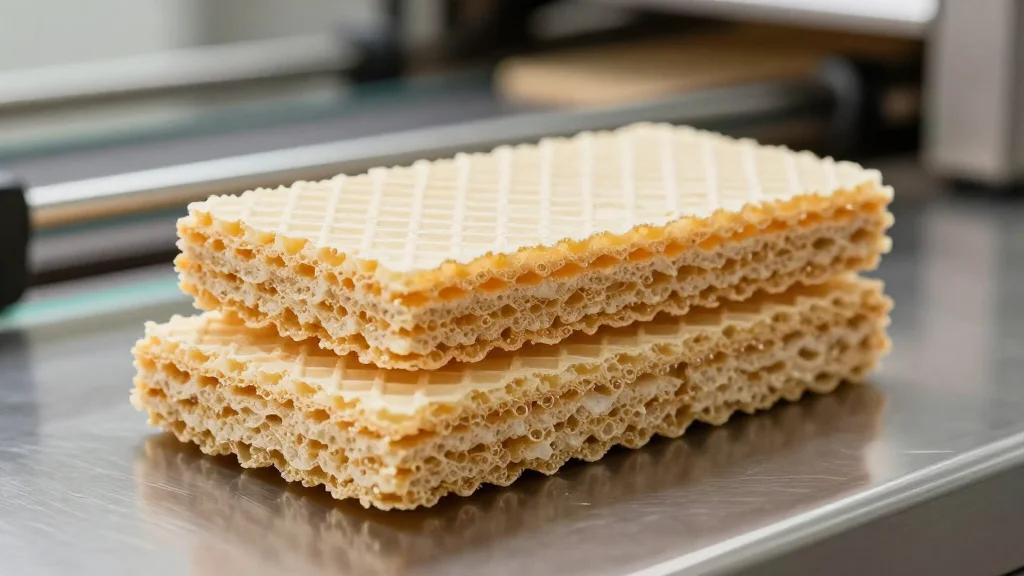
- •Multi‑layered and immersive textures target snack and confectionery categories
- •Consistent texture across shelf life requires a systems approach
Pulse Analysis
The past decade has seen texture climb from a peripheral attribute to a core driver of consumer satisfaction. Ingredion’s latest survey indicates that nearly eight in ten U.S. shoppers consider mouthfeel essential to overall enjoyment, and more than half will reject a product outright if the texture feels wrong. This shift mirrors broader sensory trends where texture cues are interpreted as proxies for quality, value, and even healthfulness, prompting brands to elevate texture alongside flavor in their product roadmaps.
Developers are responding with a suite of emerging texture concepts that blend science and creativity. Immersive textures that evolve from the first bite, multi‑layered experiences that juxtapose crunch with creaminess, and airy foams stabilized by modern emulsifiers are gaining traction across snacks, baked goods, confectionery, sauces and dairy. Asian‑inspired chewiness and boba‑type elasticity are also crossing over into mainstream U.S. offerings, accounting for 8% of launches in 2025. These innovations rely on precise gum systems, moisture‑control coatings, and novel gelling agents to deliver consistent sensory profiles while meeting shelf‑life and packaging constraints.
For manufacturers, the texture imperative translates into a systems‑level approach. Balancing ingredient functionality, processing parameters, and packaging design is essential to maintain texture integrity from factory to consumer. Brands that successfully align texture with use‑occasion—light, airy formats for post‑workout nutrition versus robust, stable bites for on‑the‑go snacking—can differentiate in crowded markets and command higher price points. As consumer expectations tighten, texture will likely continue its rapid ascent, shaping product pipelines and competitive strategies for years to come.
New approaches to texture innovation
Comments
Want to join the conversation?
Loading comments...