New Beverage Launches: Gallo Cabana, Bruichladdich RTDs and More…
Companies Mentioned

Why It Matters
The launches signal that consumers are willing to pay more for premium taste, multi‑benefit functionality and lower‑sugar options, reshaping growth strategies across the beverage sector.
Key Takeaways
- •Bruichladdich/Whitebox launch 5,000 premium RTD cans per SKU
- •Vybey combines collagen, caffeine, Lion’s Mane in one drink
- •Gallo Cabana Rosé priced at $10.80 per 75 cl bottle
- •Austria Juice cuts juice sugar by at least 30% via fermentation
- •UK functional drinks target multitasking consumers seeking clean energy
Pulse Analysis
Premium ready‑to‑drink (RTD) cocktails are moving beyond convenience to become a true taste experience. Bruichladdich’s collaboration with Whitebox introduces four full‑strength canned cocktails, some reaching 33.9% ABV, a stark contrast to the 4‑6% typical of mass‑market RTDs. By leveraging the distillery’s brand equity and positioning the cans at a $7.60‑to‑$25 price point, the launch taps into consumers’ willingness to pay for bar‑quality flavor at home, reinforcing the broader premiumisation trend that is reshaping the alcoholic beverage landscape.
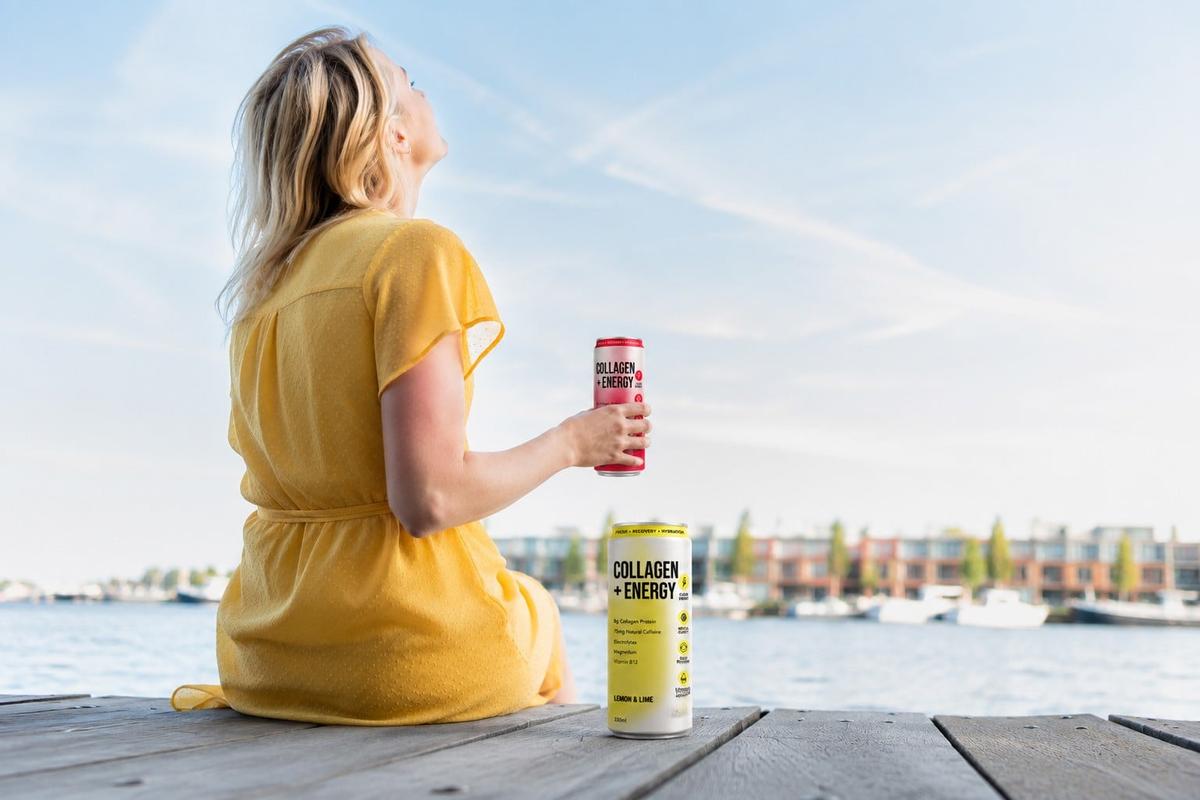
At the same time, functional soft drinks are evolving from single‑claim formulas to multi‑benefit platforms. Vybey’s Collagen + Energy blends 8 g of collagen protein, natural caffeine, Lion’s Mane mushroom, L‑theanine, magnesium and electrolytes, delivering clean energy, focus and recovery in a single 330 ml can. This convergence of beauty, performance and hydration ingredients reflects a growing consumer desire for streamlined nutrition that fits into busy work‑day routines, positioning Vybey to capture a niche that sits between traditional energy drinks and protein shakes.
Regulatory pressure is accelerating innovation in sugar reduction, and Austria Juice’s new fermentation technology exemplifies a scalable solution. By converting up to 30% of fruit‑juice sugars into non‑caloric metabolites and then recombining the concentrate, the process meets upcoming EU labeling thresholds effective 14 June 2026 without compromising taste. Juice manufacturers that adopt this method can label products as “reduced‑sugar fruit juice from concentrate,” opening pathways to healthier portfolios and potentially lower tax liabilities, while consumers benefit from lower‑calorie options that retain natural fruit flavor.
New beverage launches: Gallo Cabana, Bruichladdich RTDs and more…
Comments
Want to join the conversation?
Loading comments...