Novel Phage Effectively Inhibits Antimicrobial-Resistant Salmonella, Biofilms on Food, Surfaces
Why It Matters
Phage W5 offers a scalable, non‑chemical solution to persistent AMR Salmonella biofilms, addressing a critical gap in food‑safety sanitation and reducing reliance on traditional antimicrobials.
Key Takeaways
- •Phage W5 remains stable up to 50 °C and pH 3‑13
- •Achieves 98% host adsorption in 13 minutes
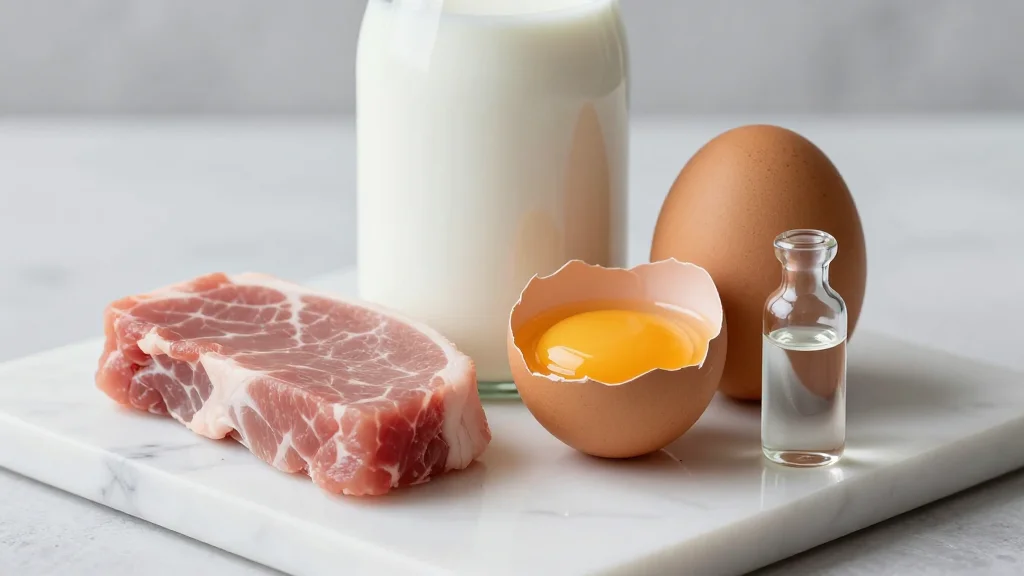
- •Inhibits Salmonella growth in milk, eggs, and pork
- •Eliminates early‑stage biofilms on polyethylene at 30 °C
- •Genome lacks virulence, antibiotic‑resistance, and lysogenic genes
Pulse Analysis
The rise of antimicrobial‑resistant (AMR) Salmonella has strained conventional sanitation protocols, prompting the food industry to explore biologically based interventions. Bacteriophages, viruses that specifically infect bacteria, have re‑emerged as a viable alternative due to their precision and minimal impact on beneficial microflora. Regulatory agencies in the United States and Europe are increasingly open to phage‑based products, provided they demonstrate safety, genetic stability, and efficacy across real‑world conditions. W5’s broad temperature and pH tolerance positions it well for integration into existing cleaning regimens without extensive process redesign.
W5’s performance metrics underscore its practical appeal. Rapid adsorption—98% of target cells bound within 13 minutes—translates to swift bacterial clearance, a critical factor for high‑throughput processing lines. Its ability to suppress Salmonella in complex food matrices such as milk, eggs, and pork suggests that matrix‑specific inhibitors are unlikely to impede activity. Moreover, the phage’s dual action—preventing biofilm formation and dismantling mature biofilms on polypropylene and polyethylene—addresses a notorious weak point in sanitation where residues often persist despite chemical treatments.
Adoption of phage W5 could reshape the economics of food safety. By reducing reliance on harsh chemicals, manufacturers may lower compliance costs and mitigate environmental impact, aligning with sustainability goals. However, scaling production, ensuring consistent dosing, and navigating the regulatory approval pathway remain hurdles. Continued field trials and collaboration with industry partners will be essential to validate long‑term efficacy and to develop standardized application protocols. If these challenges are met, W5 could become a cornerstone of next‑generation, biologically driven food‑defense strategies.
Novel Phage Effectively Inhibits Antimicrobial-Resistant Salmonella, Biofilms on Food, Surfaces
Comments
Want to join the conversation?
Loading comments...