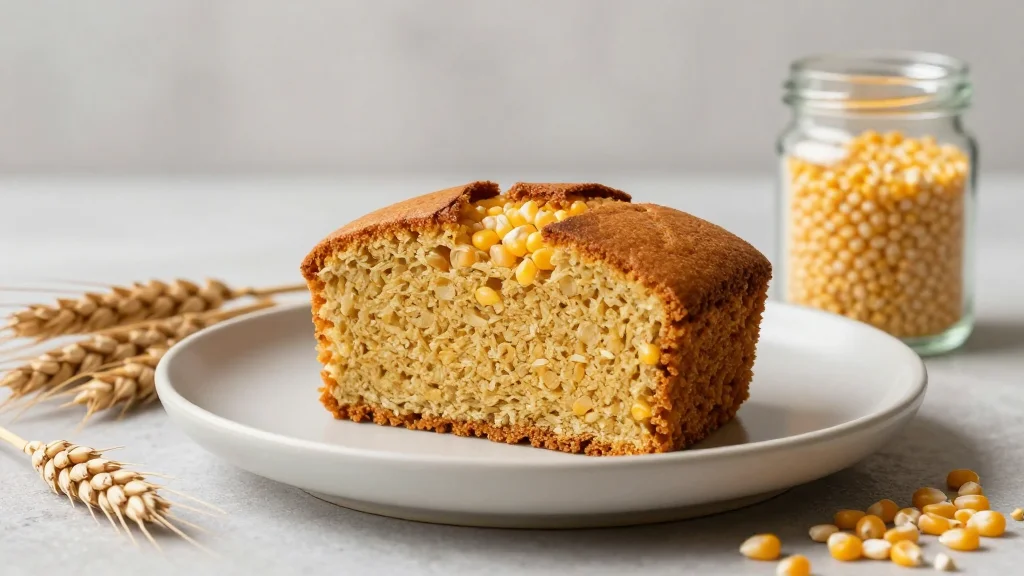
Nutritional Composition, Sensory Acceptability and Shelf-Life Evaluation of Wheat–Corn Chaff Composite Cake
Why It Matters
The study offers a low‑cost, waste‑to‑nutrient solution for micronutrient‑deficient populations and demonstrates a viable product pathway for food manufacturers seeking sustainable fortification.
Key Takeaways
- •10% corn chaff boosts fiber to 2.15 g/100 g
- •Iron 2.87 mg, zinc 2.70 mg, magnesium 95 mg per 100 g
- •10% formulation scores highest overall acceptability (4.93/5)
- •Shelf‑life drops to 8 months for composite flour vs 10 months wheat
- •Cake shelf‑life limited to ~4 days at ambient temperature
Pulse Analysis
Composite flour technology is gaining traction as a pragmatic response to persistent micronutrient gaps in low‑ and middle‑income countries. By integrating agro‑industrial by‑products such as maize chaff, producers can enrich staple baked goods with iron, zinc and magnesium without relying on costly fortification premixes. This approach also aligns with circular‑economy goals, turning what is traditionally waste into a functional ingredient that adds dietary fiber and ash content, thereby improving the overall nutritional profile of everyday foods like cake.
The Ghana‑based study demonstrated that a modest 10 % corn chaff substitution delivers the optimal balance of nutrition and consumer appeal. Fiber more than tripled, and mineral concentrations approached levels found in dedicated nutrient‑dense foods, while the hedonic scores remained high, indicating that the added fiber did not compromise texture or flavor. Higher substitution rates (15‑20 %) led to noticeable declines in appearance and mouthfeel, underscoring the importance of calibrating fiber content to preserve the gluten network and crumb softness that drive consumer acceptance.
For food manufacturers, the findings suggest a clear product development pathway: adopt a 10 % corn chaff blend to create nutritionally superior cakes that meet both health and sustainability criteria. However, the modest reduction in shelf‑life—eight months for the flour and roughly four days for the finished cake at ambient conditions—calls for careful packaging strategies, moisture‑control technologies, or natural preservatives to extend marketability. Future research should explore enzymatic treatments or fermentation to further improve sensory qualities at higher fiber levels and assess mineral bioavailability, positioning composite cakes as a scalable, health‑focused solution in the global bakery sector.
Nutritional composition, sensory acceptability and shelf-life evaluation of wheat–corn chaff composite cake
Comments
Want to join the conversation?
Loading comments...