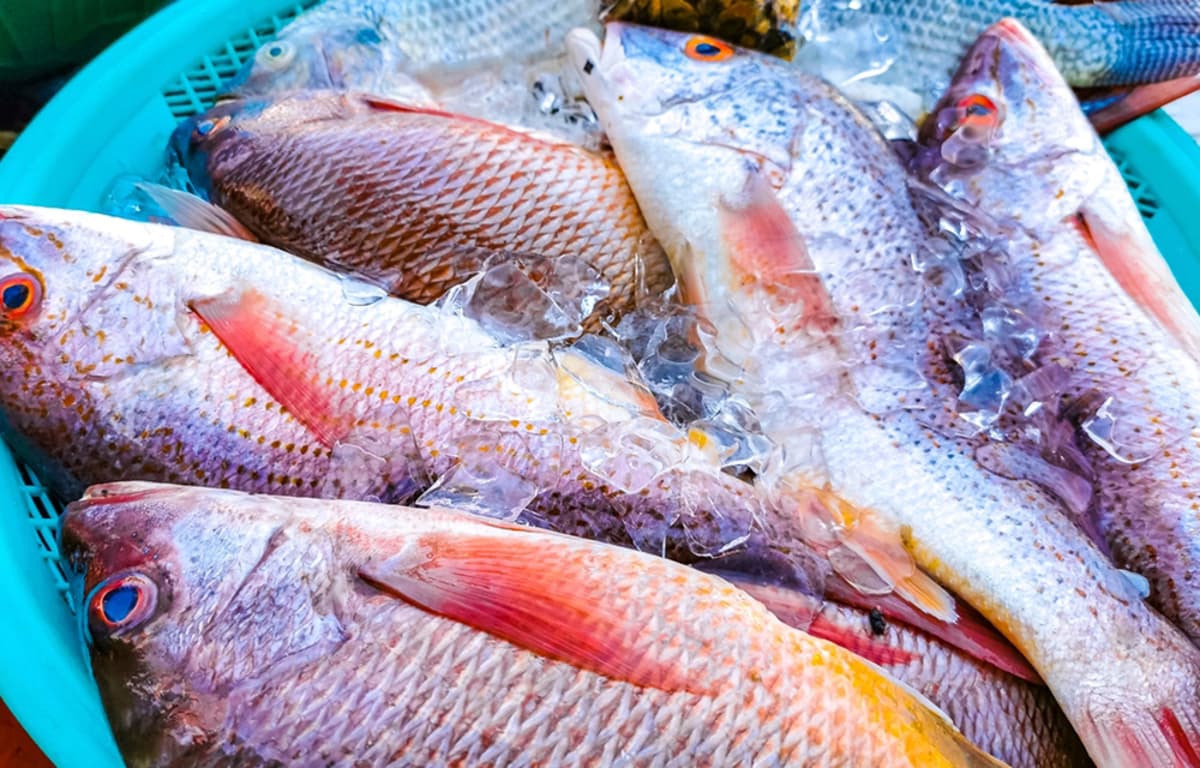
Oceana: Nearly 40 Percent of Fish Sold in Mexico Has Been Substituted for Cheaper Species
Why It Matters
The widespread substitution erodes consumer confidence, depresses prices for authentic fish, and threatens sustainable fisheries by obscuring true demand patterns. It also signals a regulatory gap that could invite broader food‑safety risks across Latin America’s seafood market.
Key Takeaways
- •38% of Mexican fish mislabeled, double global average
- •Red snapper often swapped with tilapia, halving price
- •DNA tests of 1,262 samples exposed extensive fraud
- •Traceability gaps let vendors profit from species substitution
Pulse Analysis
Mexico’s seafood market is confronting a fraud crisis that could reshape consumer behavior and regulatory priorities. Oceana’s DNA‑based audit uncovered that 38% of fish sold—far exceeding the 20% global average—are mislabeled, a finding that underscores the vulnerability of supply chains lacking transparent documentation. The study’s breadth, covering 1,262 samples from markets and restaurants, provides a statistically robust picture of how pervasive species substitution has become, especially for premium catches like marlin, grouper and red snapper. For shoppers, the hidden cost is not just a higher bill but also a loss of trust in product authenticity, a factor that can drive demand toward certified or traceable alternatives.
Economic incentives drive the fraud. A kilogram of red snapper commands roughly $16.40, while a comparable weight of tilapia or catfish sells for $7.50 or $4.90 respectively. By swapping the higher‑priced fish with cheaper varieties, vendors can double or triple margins with minimal risk, thanks to Mexico’s fragmented traceability framework. The report highlights that species with the highest consumption rates are also the most frequently substituted, suggesting that market pressure amplifies the temptation to cut corners. Without robust labeling standards and real‑time tracking, the industry remains fertile ground for deceptive practices that undermine sustainable fisheries and distort price signals.
The findings call for decisive policy action and industry innovation. Regulators could mandate DNA verification at critical checkpoints, similar to EU’s recent seafood authentication rules, while technology firms can deploy blockchain‑based traceability platforms to record each fish’s journey from catch to consumer. For retailers, adopting third‑party certification and educating buyers about species identification can mitigate risk. As awareness grows, the market may reward transparency, prompting a shift toward verifiable, responsibly sourced seafood and restoring confidence in Mexico’s once‑vibrant fish trade.
Oceana: Nearly 40 percent of fish sold in Mexico has been substituted for cheaper species
Comments
Want to join the conversation?
Loading comments...