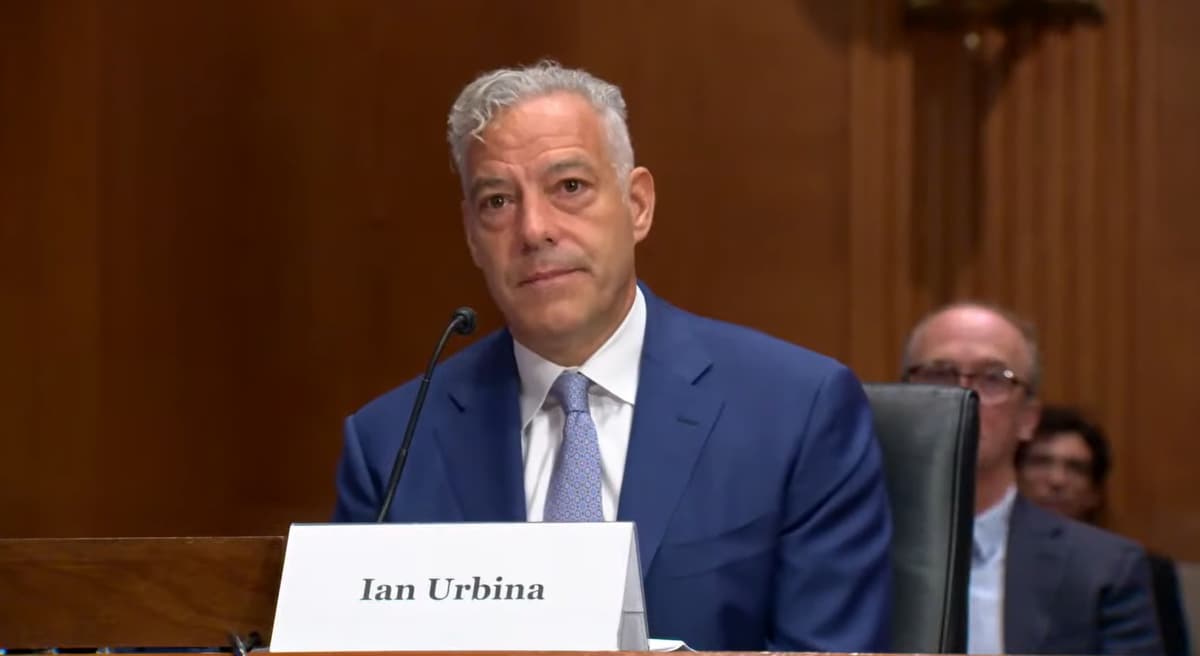
Outlaw Ocean Project Teases New Aquaculture Investigation During Congressional Hearing
Why It Matters
The findings expose opaque labor practices that threaten U.S. seafood safety and could trigger stricter import bans, forcing the industry to improve traceability and human‑rights compliance.
Key Takeaways
- •Outlaw Ocean Project mapped ~1,400 fishmeal plants worldwide
- •Report links forced labor in China, Russia, Africa to aquaculture feed
- •Findings could trigger U.S. bans on Chinese aquaculture imports
- •Fishmeal diversion worsens food insecurity in Gambia and Mauritania
- •Labor unrest tied to fishmeal factories in India and Peru
Pulse Analysis
The Outlaw Ocean Project has become a watchdog for hidden abuses in the seafood sector, first exposing forced labor on Chinese trawlers and processing plants. That series prompted corporate disengagement from flagged suppliers and spurred several congressional hearings, including the recent CECC session where Director Ian Urbina outlined the next investigative phase. By spotlighting the human‑rights dimension of seafood, the project has amplified legislative momentum behind the Uyghur Forced Labor Prevention Act and broader IUU‑fishing enforcement.
"Food for Feed," the forthcoming report, builds on two years of fieldwork that cataloged about 1,400 fishmeal factories worldwide. Researchers boarded supply vessels, traced feed to inland farms, and documented labor violations ranging from debt bondage in Russia’s Far East to coerced work in China’s Xinjiang and Tibet. The analysis also links fishmeal production to environmental and social fallout: communities in Gambia and Mauritania lose traditional catches, while protests erupt in India and Peru over polluted waterways and foul odors. By mapping these externalities, the study reveals how cheap feed fuels a global industry while masking costly human and ecological impacts.
For U.S. policymakers and seafood importers, the report raises a clear compliance dilemma. Current legislation bans goods tied to forced labor, yet the aquaculture supply chain remains opaque, making audits difficult. Senators like Dan Sullivan are already hinting at possible bans on Chinese farmed fish, a move that could reshape trade flows and pressure producers to adopt transparent sourcing. Investors and retailers will likely demand verifiable traceability, prompting a shift toward third‑party certification and stricter due‑diligence standards. The coming weeks will test whether the industry can adapt before regulatory crackdowns reshape the market.
Outlaw Ocean Project teases new aquaculture investigation during Congressional hearing
Comments
Want to join the conversation?
Loading comments...