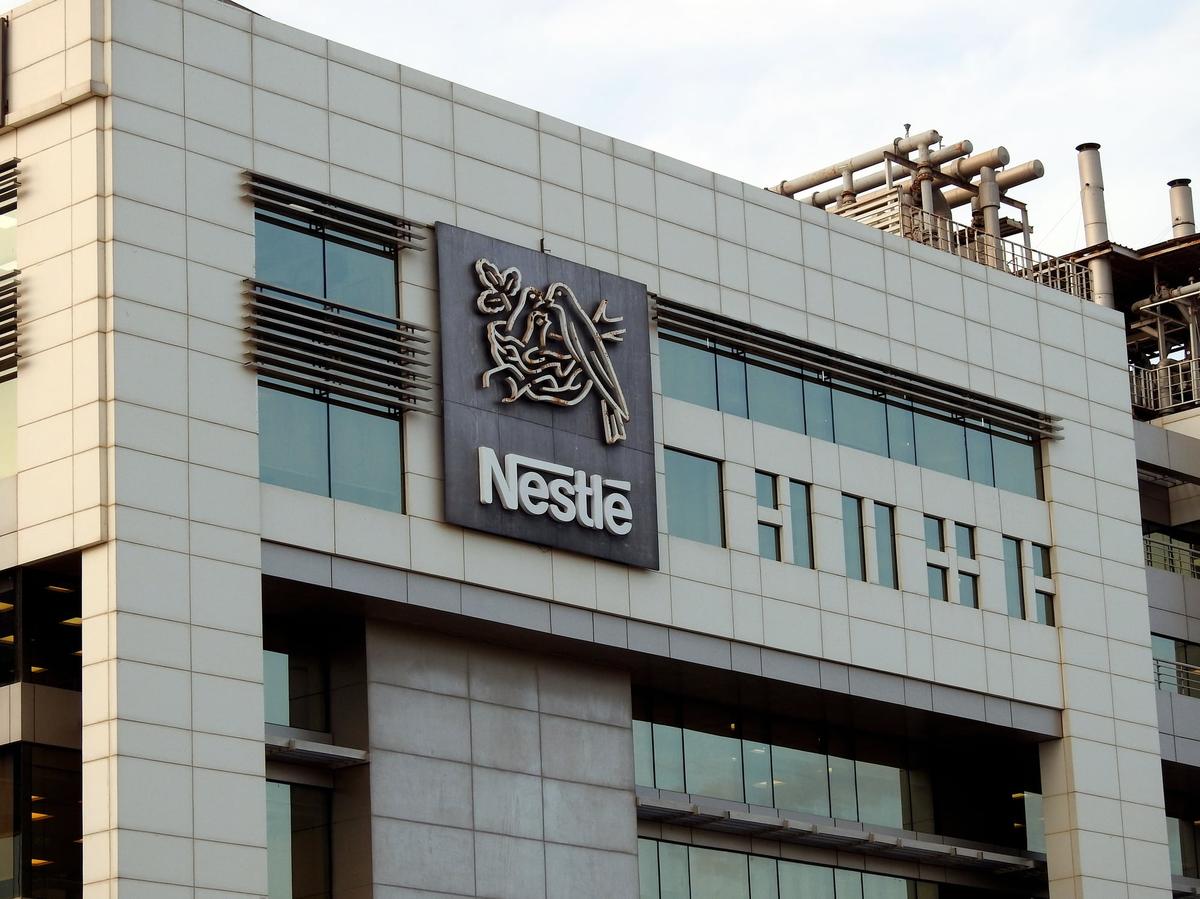
Over 400 Nestlé UK Jobs at Risk
Why It Matters
The job reductions underscore the scale of Nestlé's global restructuring and signal potential economic ripple effects for key UK manufacturing and corporate hubs. They also highlight growing pressure on multinational FMCG firms to streamline operations amid shifting consumer demand.
Key Takeaways
- •Nestlé plans cut 16,000 jobs globally, 450 in UK.
- •York site employs ~2,000; Gatwick office ~1,000 staff.
- •GMB union warns majority of cuts affect York and Gatwick.
- •Cuts target both factory workers and white‑collar roles.
- •Nestlé hasn't confirmed UK figure but cites ongoing global reductions.
Pulse Analysis
Nestlé’s 2025 workforce reduction plan reflects a broader industry shift toward leaner operations as consumer preferences evolve and cost pressures mount. By targeting 16,000 roles worldwide, the Swiss giant aims to reallocate resources toward high‑margin categories such as coffee and nutrition, while shedding excess capacity in legacy manufacturing lines. This strategic pruning is not unique to Nestlé; peers like Unilever and PepsiCo have embarked on similar restructurings to boost profitability and fund growth in emerging markets.
In the United Kingdom, the impact is most visible at the York confectionery plant and the Gatwick corporate campus. York, home to iconic brands like KitKat and Yorkie, employs roughly 2,000 workers, while Gatwick supports around 1,000 staff across Nestlé Professional, Nutrition, and Waters divisions. The GMB union’s warning that the bulk of the 450 projected cuts will fall on these sites raises concerns about local job security and supply‑chain continuity. If factory roles are trimmed, the region could see reduced output of staple confectionery products, potentially prompting a shift to third‑party manufacturers or imports.
The broader ramifications for the FMCG sector involve a delicate balance between cost efficiency and brand stewardship. While downsizing can improve margins, it also risks eroding employee morale and public perception, especially when cuts intersect with high‑profile product lines. Investors will watch how Nestlé reallocates the savings—whether toward digital transformation, sustainability initiatives, or expanding its premium coffee portfolio. For the UK economy, the job losses could exacerbate regional employment challenges, prompting policymakers to consider targeted support for affected workers and communities.
Over 400 Nestlé UK jobs at risk
Comments
Want to join the conversation?
Loading comments...