Packaging Innovations: CVS Health Swaps Foam, PPG Coats Pet Food Cans
Companies Mentioned
Why It Matters
These advances combine sustainability with operational efficiency, meeting rising regulatory pressure and consumer demand for eco‑friendly packaging while delivering cost and performance benefits.
Key Takeaways
- •CVS Health adopts recyclable, compostable fiber insulation for temperature‑sensitive shipments
- •PPG launches US first PVC‑NI coil coating for pet food cans, PFAS‑free
- •UPM and Felix Schoeller provide customizable, recyclable barrier paper for flexible food packaging
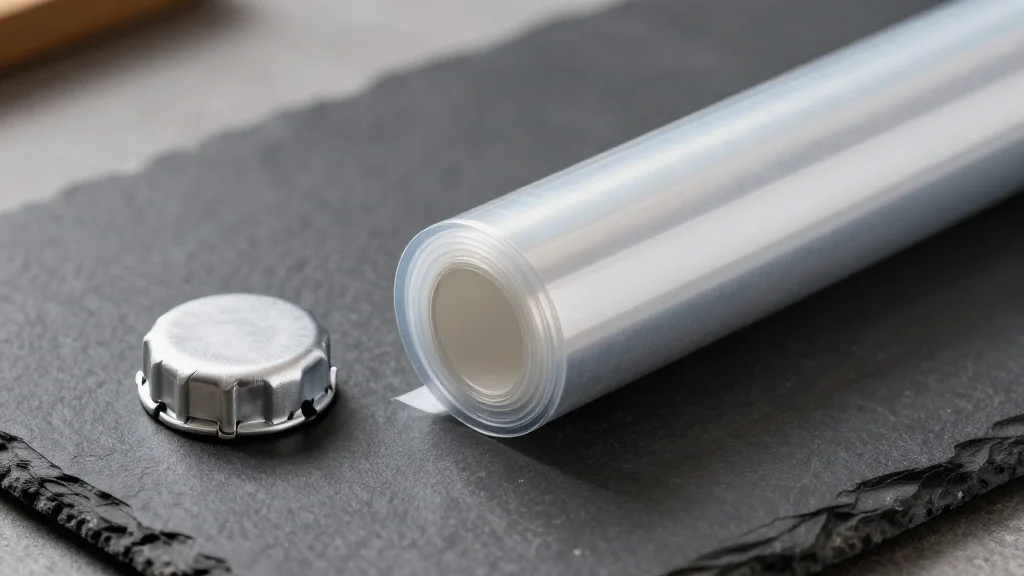
- •Amcor’s 8.5‑gram flip‑top cap reduces weight 18.7% to lower carbon footprints
Pulse Analysis
The packaging sector is accelerating its move toward greener materials as manufacturers respond to tighter regulations and consumer expectations. CVS Health’s specialty infusion unit has replaced expanded polystyrene with a fully recyclable, compostable fiber‑based system for temperature‑sensitive shipments, marking one of the first large‑scale adoptions of wood‑paper insulation in the pharmaceutical supply chain. At the same time, coatings specialist PPG introduced the United States’ first PVC‑NI coil coating for wet pet‑food cans, a formulation that eliminates PVC, PFAS and BPA, while delivering stain resistance. These launches illustrate a broader industry pivot toward circular‑economy solutions. Beyond environmental claims, the new materials deliver tangible performance gains.
The fiber‑based packaging tested by CVS outperforms traditional EPS in temperature stability, durability, and weight, easing handling for patients with limited mobility. PPG’s single‑component coating simplifies production lines by removing mixing steps, reducing downtime, and cutting material waste. UPM’s Solide Lucent barrier paper, co‑developed with Felix Schoeller, provides a dense, smooth surface that allows thinner coating layers without sacrificing oxygen or moisture protection, offering customers customizable barrier levels. 7 % reduction that directly lowers a product’s carbon footprint.
The commercial implications are significant. Companies that adopt lighter, recyclable packaging can claim lower lifecycle emissions, a differentiator in retail shelves where sustainability messaging drives purchase decisions. Supply‑chain efficiencies—fewer changeovers, reduced waste, and lighter loads—translate into cost savings that offset material investments. As recycling infrastructure expands in the United States, monomaterial caps like Amcor’s become increasingly viable, while PVC‑free coatings help manufacturers avoid future regulatory bans. Collectively, these innovations set a precedent for other sectors, suggesting that eco‑focused design will soon be a baseline rather than a niche.
Packaging innovations: CVS Health swaps foam, PPG coats pet food cans
Comments
Want to join the conversation?
Loading comments...