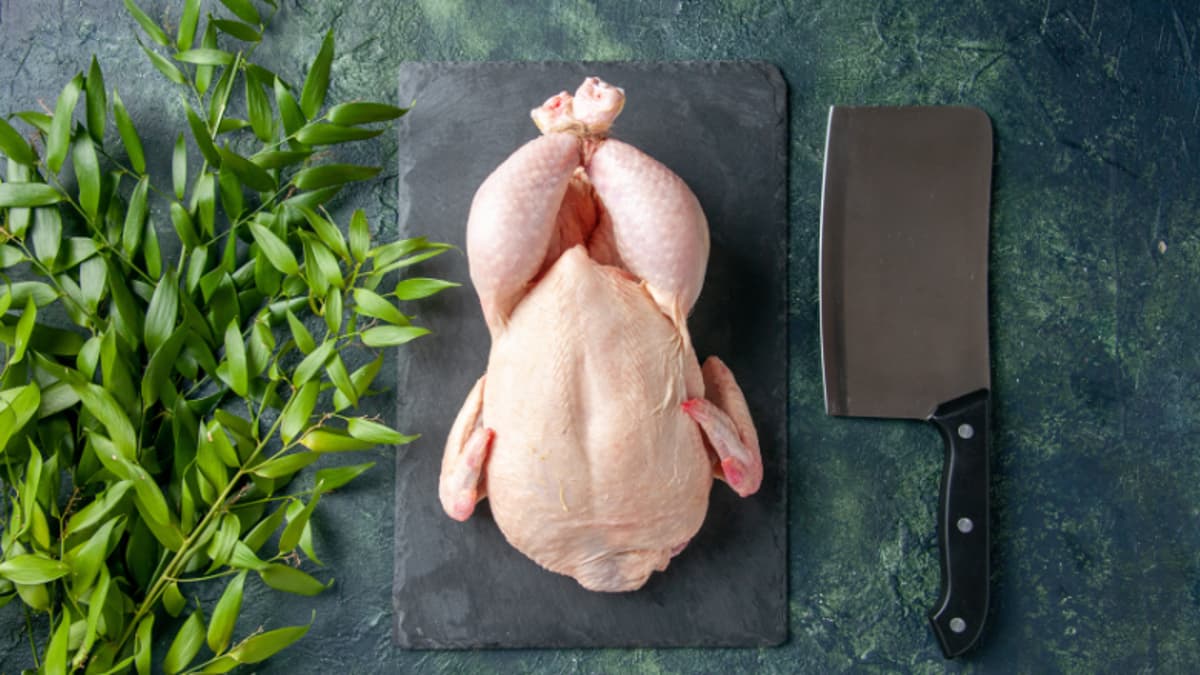
Persistent, Multidrug-Resistant Salmonella Strain Is Growing Cause of Poultry Contamination, Human Infections
Why It Matters
The rise of REPJFX01 threatens public health by limiting treatment options and underscores the need for stronger food‑safety controls across the poultry supply chain.
Key Takeaways
- •REPJFX01 made up 97% of S. Infantis isolates in 2023 chicken
- •Human infections linked to REPJFX01 show 30% hospitalization rate
- •Strain resists ampicillin, ceftriaxone, ciprofloxacin, and trimethoprim‑sulfamethoxazole
- •pESI‑like plasmid gives the strain stress tolerance and biofilm ability
- •Targeted disinfection and bacteriophage use could curb MDR Salmonella in broilers
Pulse Analysis
The emergence of multidrug‑resistant Salmonella Infantis, especially the REPJFX01 clone, reflects a broader trend of antimicrobial resistance (AMR) infiltrating the U.S. food supply. Since 2016, federal surveillance from CDC’s PulseNet and USDA‑FSIS has documented a parallel rise in the strain’s prevalence on chicken carcasses and in human cases, suggesting a tight epidemiological link. With a 30 % hospitalization rate, REPJFX01 rivals historically virulent serovars such as Enteritidis, raising concerns for clinicians who face limited therapeutic options. The alignment of chicken and human data underscores the importance of integrated One Health surveillance.
The strain’s success is driven by a pESI‑like plasmid that confers resistance to four frontline antibiotics and endows the bacteria with oxidative‑stress tolerance, robust biofilm formation, and enhanced colonization of broiler environments. These traits undermine conventional sanitation practices, allowing REPJFX01 to persist despite routine cleaning. Researchers therefore advocate for targeted interventions—such as high‑temperature disinfection of feeder lines and the strategic application of bacteriophages—to break the contamination cycle before birds reach the processing plant. Field trials have already shown a 2‑log reduction in bacterial load when phages are applied post‑cleaning.
From a policy perspective, the CDC and USDA may need to tighten testing requirements for broiler flocks and incentivize adoption of advanced biosecurity measures. At the same time, retailers can play a role by demanding verified low‑risk supply chains, while consumers must continue rigorous kitchen hygiene, including cooking chicken to 165 °F. Funding for research into alternative antimicrobials and rapid on‑farm diagnostics could further accelerate control efforts. If coordinated across regulators, producers, and shoppers, the trajectory of MDR Salmonella can be reversed, protecting public health and preserving confidence in the nation’s poultry industry.
Persistent, Multidrug-Resistant Salmonella Strain is Growing Cause of Poultry Contamination, Human Infections
Comments
Want to join the conversation?
Loading comments...