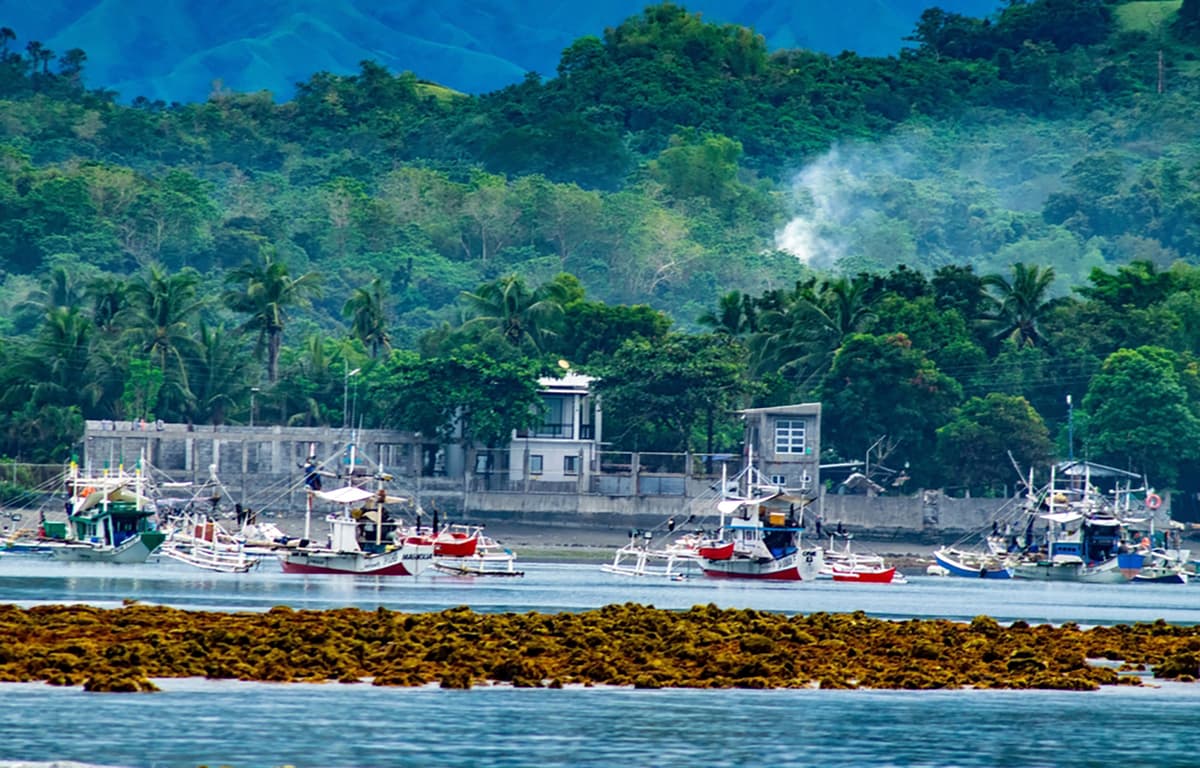
Philippines Weighs Increase in Fish Imports, Subsidies as Fuel Costs Squeeze Seafood Sector
Why It Matters
Higher fuel prices jeopardize domestic seafood supply and protein affordability, prompting policy interventions that could reshape the Philippines’ fisheries trade balance and consumer prices.
Key Takeaways
- •Philippines may raise fish imports to up to 350,000 MT
- •Fuel costs now 70‑80% of fishing expenses in General Santos
- •Proposed subsidy: PHP 10 (~$0.16) per kilogram landed
- •Sardine retail price freeze stays until May 10
- •Thailand and Ireland also roll out fuel assistance for fishers
Pulse Analysis
Rising global energy prices, amplified by the Iran conflict, have driven diesel costs in the Philippines to unprecedented levels. For a sector where fuel already represented up to half of total expenses, the surge to 70‑80% erodes profit margins and threatens the continuity of domestic catches. Policymakers are therefore considering a significant increase in fish imports—potentially 350,000 metric tons—to cushion supply gaps and keep staple items like canned sardines affordable for consumers.
To mitigate the cost shock, the Department of Agriculture is evaluating a targeted subsidy that would grant fishers PHP 10 (approximately $0.16) for every kilogram of fish landed at government ports. This measure mirrors regional efforts, such as Thailand’s discounted biodiesel program and Ireland’s €505 million emergency fuel aid, underscoring a broader recognition that fuel subsidies are essential to sustain fishing fleets. At the same time, the government maintains a price freeze on sardines until May 10, aiming to protect low‑income households that rely on this inexpensive protein source.
The combined import strategy and subsidy plan could have lasting implications for the Philippine seafood market. While increased imports may stabilize short‑term supply, they also risk dampening incentives for local producers if price signals are distorted. Conversely, effective subsidies could preserve fishing activity, safeguard employment, and maintain the country’s food security. Stakeholders will be watching closely as the administration balances fiscal constraints with the need to keep the nation’s staple protein both available and affordable.
Philippines weighs increase in fish imports, subsidies as fuel costs squeeze seafood sector
Comments
Want to join the conversation?
Loading comments...