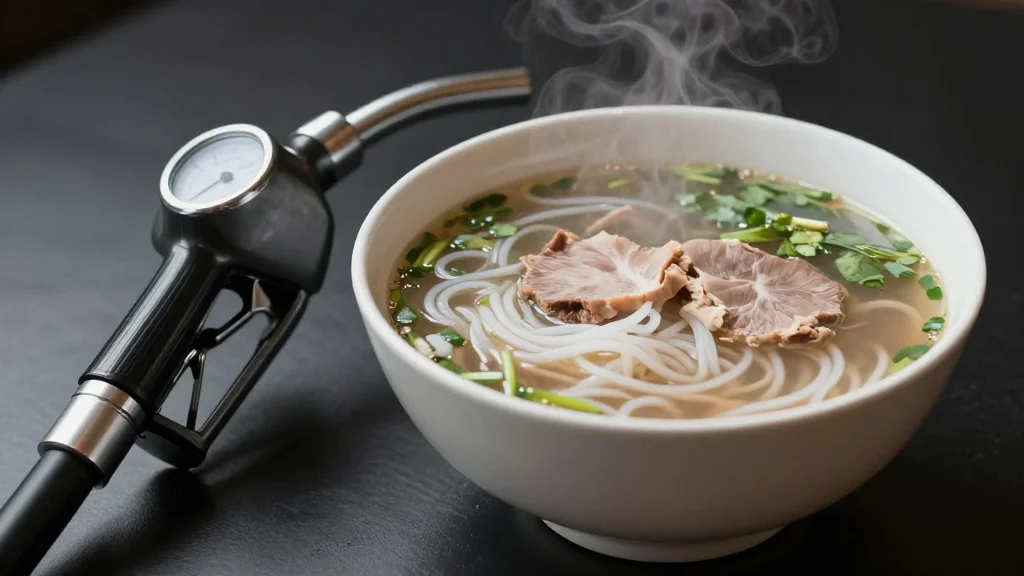
Pho Shop Raises Prices over Fuel Costs, but Keeps Them High After Fuel Drops
Why It Matters
Sticky pricing erodes consumer confidence and can amplify inflationary pressures, prompting shoppers to demand more transparent cost structures.
Key Takeaways
- •Pho price rose 28% despite fuel cost drop of 30‑40%
- •Fuel accounts for a small fraction of restaurant operating expenses
- •Vietnamese eateries often raise prices but rarely lower them when costs fall
- •Consumer pushback, like boycotts, can pressure businesses to adjust pricing
Pulse Analysis
Price stickiness is not unique to fuel‑sensitive industries; it also permeates everyday food outlets in emerging markets. When Vietnam’s diesel and petrol rates peaked above VND 31,000 per litre (about $1.16), a popular pho stall responded by increasing its bowl price by roughly 28%, from $1.33 to $1.75. The adjustment was swift, reflecting a common practice of passing volatile energy costs directly to consumers. Yet fuel typically represents a modest slice of a restaurant’s total expense mix, which also includes rent, labor, and raw ingredients. The subsequent 30‑40% decline in fuel to under VND 24,000 per litre (≈$0.90) did not trigger a price reversal, exposing a one‑directional pricing bias that can accumulate across the sector.
For diners, such asymmetry fuels frustration and can reshape purchasing habits. The author’s decision to boycott the stall illustrates a growing willingness among consumers to leverage their spending power against perceived unfairness. In competitive urban food markets, repeated price‑inflation without corresponding reductions can erode brand loyalty, push patrons toward lower‑cost alternatives, or even spark collective actions like coordinated boycotts. Businesses that fail to communicate the full cost structure risk alienating a price‑sensitive clientele, especially as digital platforms make price comparisons instantaneous.
On a macro level, persistent upward‑only pricing contributes to measured inflation even when underlying cost drivers recede. Policymakers monitoring consumer price indices must account for this behavioral inertia, as it can mask the true impact of commodity price swings. Greater transparency—such as itemized receipts or periodic price reviews—could mitigate the disconnect between input costs and menu prices, fostering trust and stabilizing inflation expectations in Vietnam’s fast‑growing consumer economy.
Pho shop raises prices over fuel costs, but keeps them high after fuel drops
Comments
Want to join the conversation?
Loading comments...