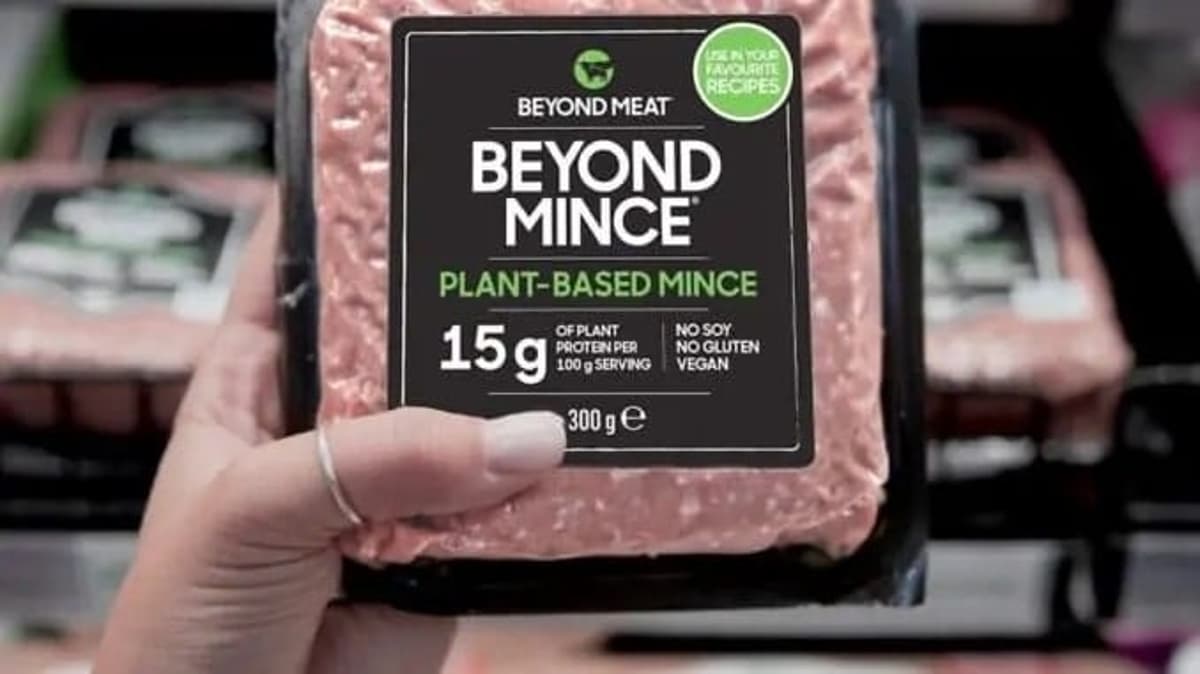
Plant-Based Mince Now 29% Cheaper Than Beef at Tesco as Meat Prices Climb
Why It Matters
Cheaper plant‑based proteins give price‑sensitive shoppers a viable alternative, accelerating market shift away from traditional meat and pressuring policymakers to address food‑security risks tied to volatile livestock supply chains.
Key Takeaways
- •Plant-based mince 29% cheaper than beef at Tesco
- •Meatball alternatives 41% cheaper than animal versions
- •Beef burgers still 9% cheaper than plant-based options
- •Drought and Middle East conflict raise animal feed costs
- •GFI urges government to prioritize plant-based foods
Pulse Analysis
The widening cost advantage of plant‑based mince reflects a broader realignment in the protein market. As drought‑stricken pastures forced UK farmers onto pricier cereal‑based feed, the upstream cost of livestock rose sharply, translating into higher supermarket prices for beef, lamb and pork. Meanwhile, plant‑based manufacturers have benefited from economies of scale, improved ingredient sourcing, and stable commodity inputs, allowing them to pass savings onto consumers. This price dynamic is reshaping shopper behavior, especially among households grappling with rising living costs.
Retailers are now positioned to leverage the price gap as a competitive differentiator. Tesco’s own‑label and established brands like Beyond Meat and Quorn can attract budget‑conscious buyers by highlighting the lower price point of plant‑based mince and meatballs. However, the exception of beef burgers—still cheaper than their vegan counterparts—underscores the need for continued innovation to reduce production costs across all product categories. Policy makers, too, are watching the trend; GFI Europe’s call for plant‑based foods to be central in the UK’s food strategy signals potential subsidies or incentives that could further narrow the price divide.
Looking ahead, the sustainability narrative will intertwine with economics. As climate‑related disruptions and geopolitical tensions keep animal feed volatile, plant‑based proteins are likely to gain an even stronger foothold. Investors are increasingly allocating capital to alternative‑protein firms that can scale efficiently, while supply‑chain stakeholders explore crop diversification to support the raw materials for these products. In this environment, price parity may soon become price superiority, cementing plant‑based options as a mainstream, cost‑effective choice for American consumers as well.
Plant-Based Mince Now 29% Cheaper Than Beef at Tesco as Meat Prices Climb
Comments
Want to join the conversation?
Loading comments...