Popular Restaurant Chain More Than 90 Years Old Closing Locations
Why It Matters
The closures highlight how even iconic, century‑old brands must adapt to evolving local tastes, signaling broader pressure on legacy casual‑dining chains to diversify formats or risk further contraction.
Key Takeaways
- •Primanti Bros. closed Monroeville and North Versailles sites due to traffic decline
- •Both locations will reopen as Thorn Hill tap room and Smash Pub
- •Closures follow earlier shutdowns in Camp Hill and Lancaster this year
- •Chain still operates 37 restaurants after more than nine decades
Pulse Analysis
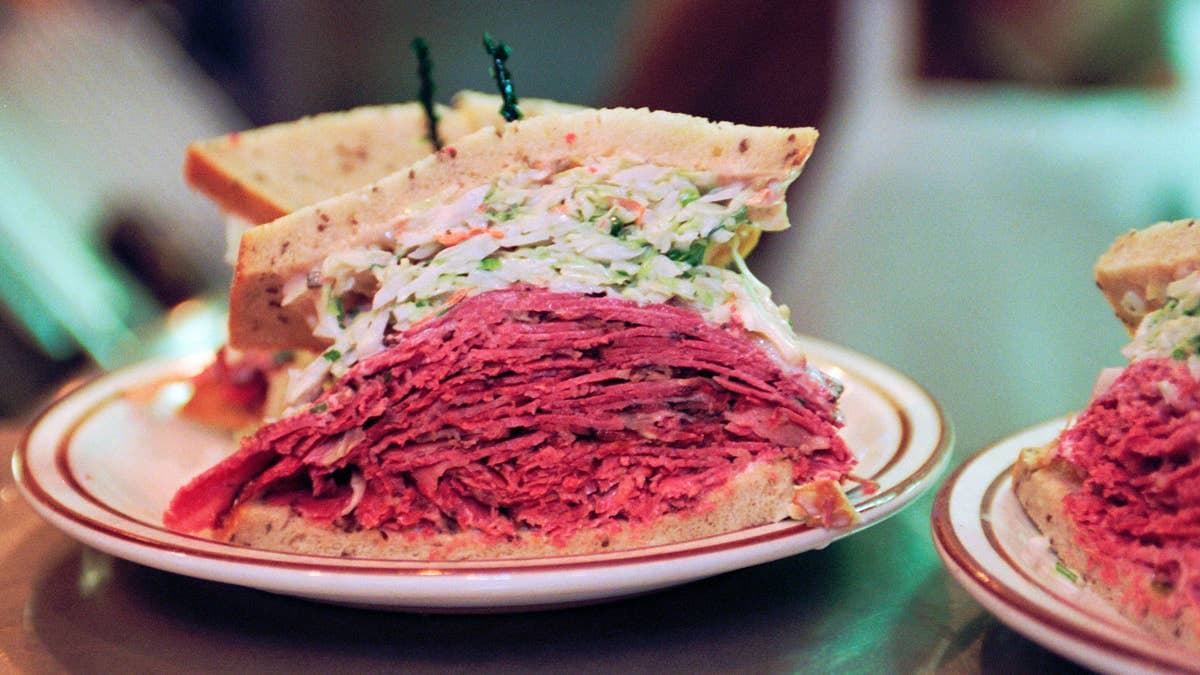
Primanti Bros. is more than a restaurant; it’s a cultural touchstone for Pittsburgh, famous for its signature sandwich that piles fries and coleslaw atop meat. Founded in 1933 during the Great Depression, the brand grew from a street cart to a regional icon, leveraging its gritty, working‑class roots to attract truckers, steelworkers, and tourists alike. Over the decades, the chain expanded beyond the Strip District, but its core identity remains tied to the city’s industrial heritage, making each location a pilgrimage for fans of authentic Americana cuisine.
The recent closures of the Monroeville and North Versailles outlets underscore a shift in consumer behavior that’s reshaping the casual‑dining landscape. Declining foot traffic, heightened competition from fast‑casual concepts, and changing dining preferences have pressured legacy chains to rethink brick‑and‑mortar footprints. By converting the sites into a Thorn Hill tap room and a Smash Pub, Primanti aims to capture a younger, experience‑driven demographic that values craft beer and social spaces over traditional sit‑down meals. This pivot mirrors a broader industry trend where established brands repurpose underperforming locations into hybrid concepts to boost revenue per square foot.
For legacy operators, Primanti’s strategy offers a blueprint for survival: leverage brand equity while diversifying the product mix to meet evolving tastes. The decision to retain the physical presence, albeit under new concepts, preserves real estate value and maintains community ties, reducing the stigma of outright closures. As the chain continues to run 37 locations, its ability to blend nostalgia with modern hospitality will determine whether it can sustain relevance in a market increasingly dominated by nimble, niche players. The outcome will likely influence how other heritage brands approach portfolio optimization in the coming years.
Popular Restaurant Chain More Than 90 Years Old Closing Locations
Comments
Want to join the conversation?
Loading comments...