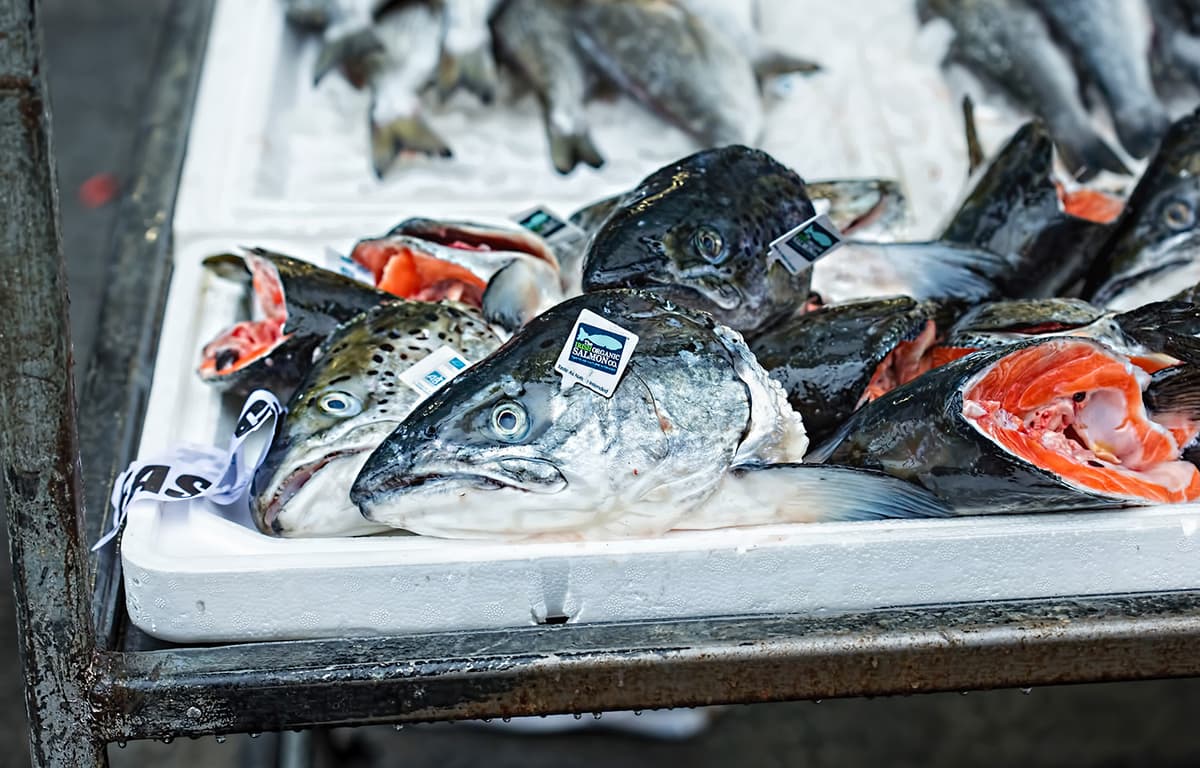
Prices for Atlantic Salmon From Norway Continue Their Steady Decline Into Week 17
Why It Matters
The price drop squeezes margins for processors and retailers while signaling excess supply that could reshape global salmon trade patterns. It also puts pressure on competing producers in Chile and Scotland to adjust pricing strategies.
Key Takeaways
- •Whole fresh salmon price fell to $8.29/kg in Week 16.
- •Export volumes rose by nearly 2 million kg week‑over‑week.
- •Global average export price dropped to $8.93/kg.
- •Norway's price trend pressures Chilean and Scottish producers.
- •Lower prices may tighten margins for processors and retailers.
Pulse Analysis
Norway remains the world’s largest supplier of farmed Atlantic salmon, and its pricing signals often set the tone for the global market. The latest dip to $8.29 per kilogram for whole fresh fish follows a bumper harvest season, driven by favorable weather and optimized feed conversion rates. Simultaneously, export shipments surged by nearly 2 million kilograms, indicating that producers are moving product quickly to meet demand in Europe, Asia, and North America. This combination of high supply and steady demand creates a classic oversupply scenario, pushing average export prices down to $8.93 per kilogram across all salmon categories.
For downstream players, the price erosion translates into tighter gross margins. Processors that previously relied on stable input costs now face the challenge of maintaining profitability while keeping retail prices attractive. Retail chains may pass some of the cost savings to consumers, potentially boosting sales volumes, but the overall effect could be a race to the bottom if competitors, especially Chilean and Scottish farms, also lower prices to stay competitive. Moreover, lower farmgate prices can strain smaller Norwegian producers who lack the economies of scale to absorb reduced revenues, prompting consolidation or a shift toward higher‑value products such as smoked or value‑added fillets.
Looking ahead, the trajectory of Norwegian salmon prices will hinge on several variables: future harvest forecasts, feed price volatility, and macro‑economic factors influencing consumer spending on seafood. If the current supply glut persists, prices could dip further, prompting producers to explore cost‑saving technologies like automated feeding and offshore farming. Conversely, any disruption—such as disease outbreaks or regulatory changes—could quickly tighten supply and reverse the price trend. Stakeholders should monitor these dynamics closely, as they will shape investment decisions, trade negotiations, and the overall health of the global aquaculture sector.
Prices for Atlantic salmon from Norway continue their steady decline into Week 17
Comments
Want to join the conversation?
Loading comments...