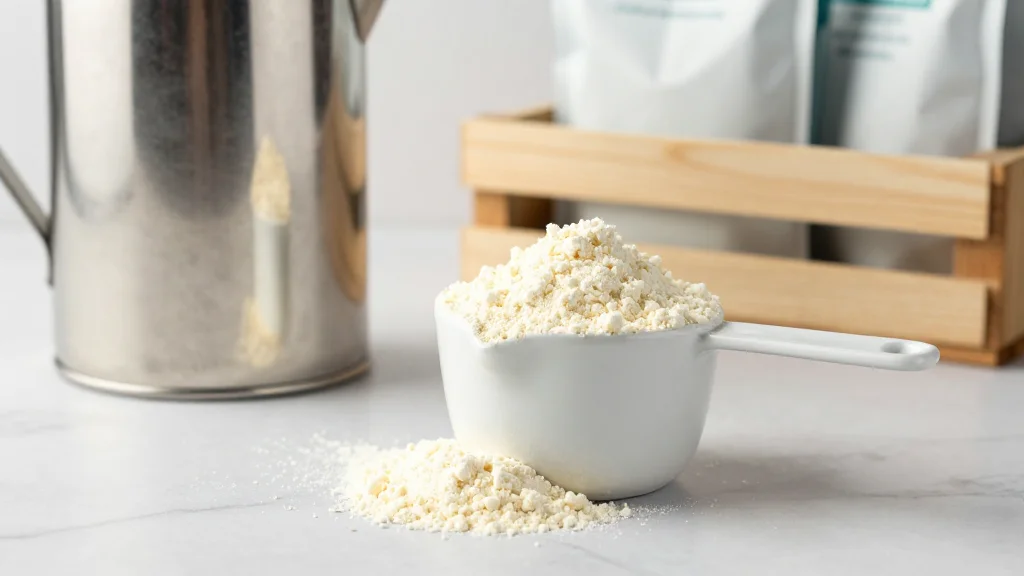
Protein Powder Shortage Threatens America’s Biggest Food Craze
Why It Matters
The shortage drives up ingredient costs, forcing food manufacturers to reconsider pricing or reformulation, which could reshape profit margins across the booming protein sector. It also accelerates investment in dairy infrastructure and alternative protein sources, influencing the broader food‑and‑beverage landscape.
Key Takeaways
- •Whey powder prices up >50% since January.
- •80% whey concentrate spot prices exceed $11 per pound.
- •Protein isolate prices stay in $12 range.
- •BellRing sees historic whey spikes, may raise product prices.
- •U.S. dairy adds $11B capacity, targeting 15B‑pound milk boost.
Pulse Analysis
Consumer appetite for protein has exploded, with 70% of Americans now seeking higher protein intake, up from 59% four years ago. The trend is amplified by the rise of GLP‑1 weight‑loss drugs, which suppress appetite and create a nutritional gap that protein‑rich foods fill. As a result, manufacturers are embedding whey into everything from snack foods to ready‑to‑eat meals, turning protein into a growth engine and a premium pricing lever across grocery aisles.
Supply‑side constraints are now the market’s biggest headache. Whey, once a low‑cost cheese by‑product, has become a scarce commodity, pushing spot prices for 80% concentrate above $11 per pound and keeping isolates in the $12 range. BellRing Brands, a leading shake producer, flagged "historic highs" on an earnings call, signaling that many brands may need to pass costs onto price‑sensitive shoppers. Companies are also exploring cheaper plant‑based alternatives such as soy and pea protein, but these may not fully replicate whey’s functional properties, prompting a trade‑off between cost, taste, and texture.
The dairy sector is responding with a massive $11 billion investment in new and expanded whey facilities across 19 states, aiming to boost milk production by 15 billion pounds by 2030. While this capacity build could ease price pressure over the longer term, scaling is complex and may generate excess butterfat, creating its own volatility. In the short run, manufacturers must balance pricing decisions against inflation‑weary consumers, potentially reshaping product portfolios and accelerating the shift toward diversified protein sources. The outcome will dictate whether the protein boom sustains its momentum or cools under cost pressures.
Protein powder shortage threatens America’s biggest food craze
Comments
Want to join the conversation?
Loading comments...