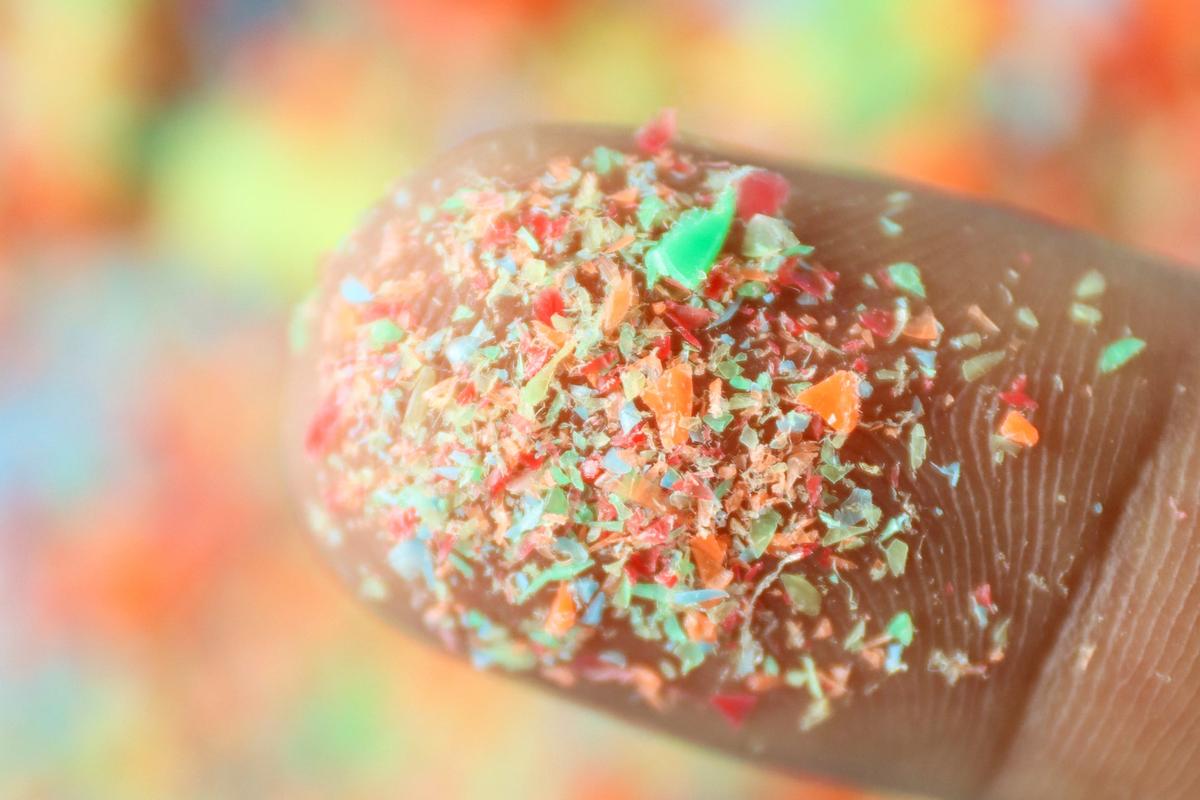
Q&A: As Microplastics Exposure Research Grows, Sifts Bets on Digestion-Focused Nutrition Support
Why It Matters
The launch creates a nascent category of environmental exposure support, giving consumers a practical tool to address daily microplastic intake while pushing ingredient suppliers toward interaction‑based, science‑backed solutions.
Key Takeaways
- •Sifts' supplement combines chitosan, apple pectin, baobab for gut binding
- •Early human study linked chitosan intake to higher microplastic stool excretion
- •Product stays in structure‑function space, avoiding unproven health outcome claims
- •Launch signals growing market for daily environmental exposure support products
- •Ingredients chosen for safety, charge properties, and prebiotic benefits
Pulse Analysis
Microplastics have moved from an abstract environmental concern to a measurable component of the modern diet, appearing in everything from bottled water to processed foods. Recent studies estimate that an average adult ingests tens of thousands of particles each year, and trace amounts have been found in blood, placenta and colon tissue. While regulatory bodies are still debating long‑term health effects, consumer awareness is soaring, creating a demand for tangible ways to limit internal exposure. This backdrop sets the stage for products that address the problem at the point of entry rather than waiting for downstream policy solutions.
The scientific rationale for Sifts’ gut‑focused approach rests on well‑characterized fiber chemistry. Chitosan, a positively charged polysaccharide, can electrostatically attract the negatively charged surfaces of many plastic fragments, forming complexes that are less likely to cross the intestinal barrier. Complementary fibers such as apple pectin increase viscosity, creating a matrix that traps particles, while baobab adds prebiotic polyphenols that support overall gut health. Early human crossover trials have reported a measurable rise in microplastic particles in stool after chitosan supplementation, providing the first direct evidence that dietary fibers can influence excretion pathways. Importantly, all ingredients hold GRAS status, allowing the product to remain in the structure‑function realm and avoid unsubstantiated health claims.
Sifts’ entry signals the emergence of a broader “environmental exposure support” category, where nutrition companies partner with environmental scientists to develop interaction‑based solutions for contaminants like PFAS, BPA and persistent plastics. For formulators, this means a shift toward multi‑functional ingredients that can bind, sequester or modulate the bioavailability of low‑level toxins. Ingredient suppliers will likely see increased demand for charged polymers, soluble fibers and targeted prebiotics, while investors watch for rigorous clinical data to validate efficacy. As the scientific consensus evolves, the market will reward brands that balance credible mechanisms with transparent communication, setting a higher bar for evidence and marketing integrity across the supplement industry.
Q&A: As microplastics exposure research grows, Sifts bets on digestion-focused nutrition support
Comments
Want to join the conversation?
Loading comments...