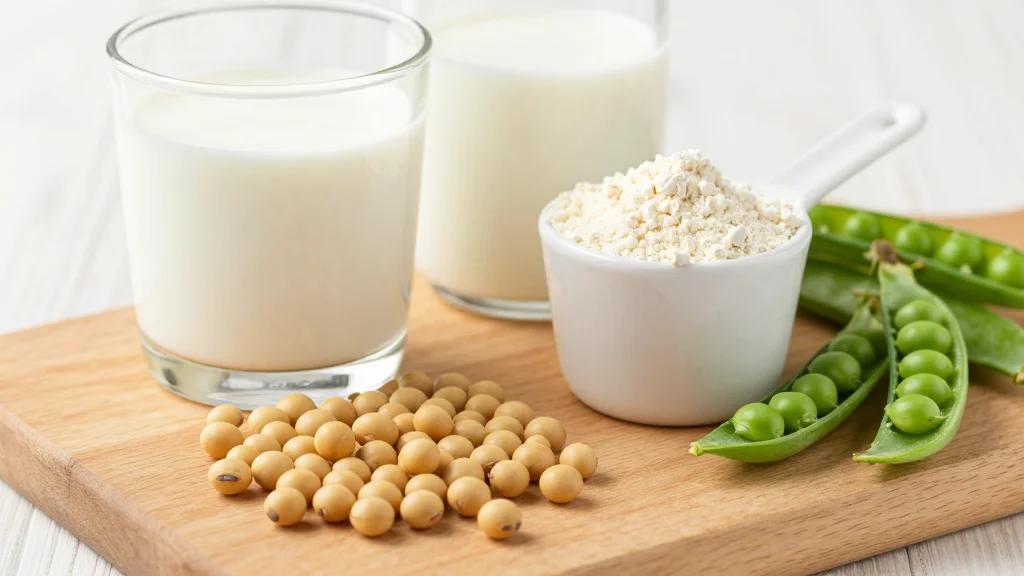
Quality vs Quantity: Food Makers Face Tradeoffs when Choosing Protein Source
Why It Matters
Choosing the right protein source directly affects product pricing, shelf‑life and brand positioning in a market where consumers demand both quantity and quality. Manufacturers that navigate these trade‑offs can capture flexitarian growth while mitigating supply risks.
Key Takeaways
- •Two‑thirds of consumers aim to increase protein intake
- •Soy protein matches animal PDCAAS and costs 3‑5× less than dairy
- •Whey prices are rising, tightening supply for manufacturers
- •Pea protein offers allergen‑free, neutral‑color option despite lower PDCAAS
- •Hybrid dairy‑soy blends balance cost, quality, and supply risk
Pulse Analysis
The protein boom is reshaping the food‑ingredients landscape. Recent ADM research shows that roughly 66% of U.S. consumers plan to boost protein consumption, a trend amplified by the popularity of GLP‑1 weight‑loss drugs that emphasize higher protein diets. This shift is prompting brands to reformulate everything from snack bars to frozen meals, with protein quantity still the headline metric, though amino‑acid profiles are gaining attention as shoppers become more discerning about nutrition quality.
At the heart of the reformulation challenge lies the choice of protein source. Soy protein, with a PDCAAS comparable to most animal proteins, delivers high digestibility, strong gelling properties and a stable cost base—often three to five times cheaper than dairy isolates. In contrast, whey, once a low‑value by‑product, now commands premium prices and faces supply constraints, pushing manufacturers toward plant‑based alternatives. Pea protein, while scoring around 80% on the PDCAAS scale, offers a neutral color, mild flavor and no mandatory allergen labeling, making it attractive for clean‑label products and for brands seeking to sidestep soy’s allergen perception.
Strategically, many companies are adopting hybrid protein blends to hedge against price volatility and to fine‑tune functional attributes. Combining dairy and soy can improve texture, balance amino‑acid completeness and reduce cardiovascular risk, while also providing cost efficiencies. As flexitarian consumers—accounting for 46% of the market—seek plant‑forward options, manufacturers that skillfully blend proteins and communicate the health and sustainability benefits will differentiate themselves in a crowded shelf space and sustain profitability amid fluctuating ingredient markets.
Quality vs quantity: Food makers face tradeoffs when choosing protein source
Comments
Want to join the conversation?
Loading comments...