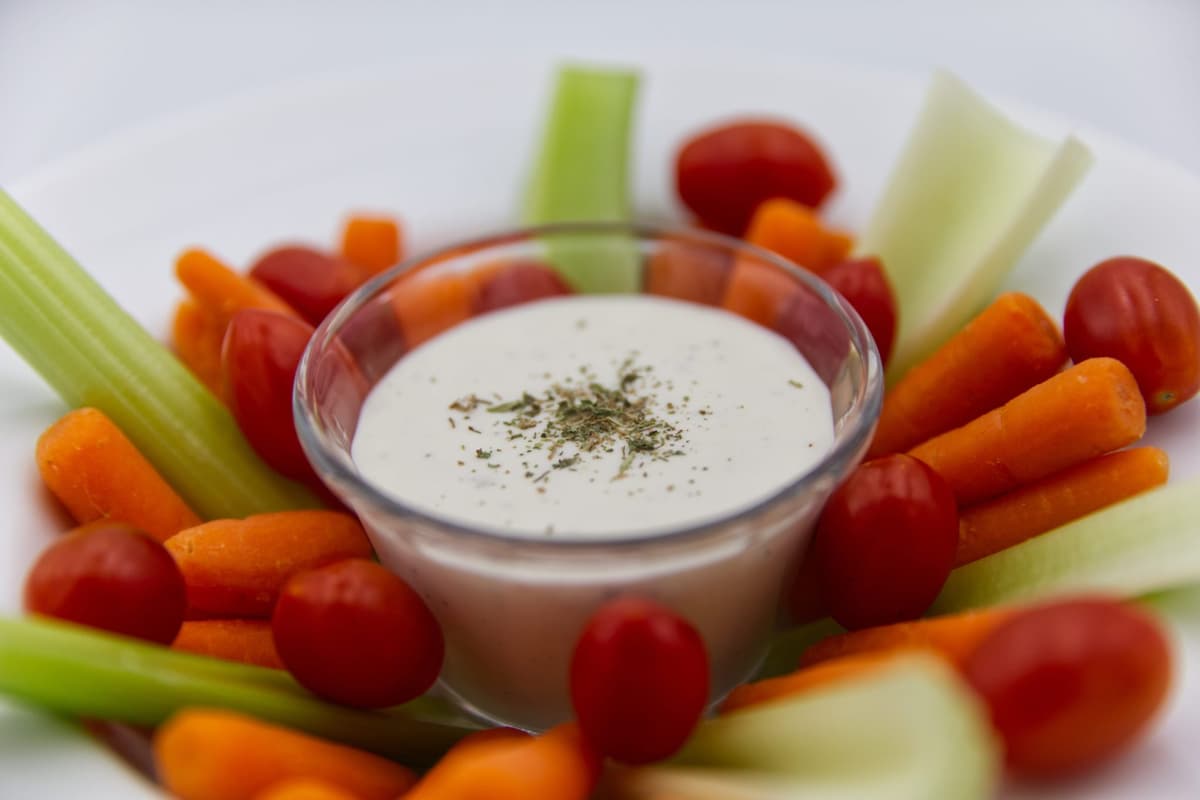
Ranch Dressing’s Secret History Literally Includes a Hidden Valley
Companies Mentioned
Why It Matters
Ranch’s evolution illustrates how a simple regional recipe can dominate a national condiment market, shaping brand strategies and consumer expectations across the food industry.
Key Takeaways
- •Steve Henson created ranch at a California dude ranch in the 1950s
- •Clorox bought Hidden Valley Ranch in the 1970s, bottling the dressing
- •Ranch overtook Italian dressing to become America’s top salad sauce
- •Competitors like Ken’s, Kraft and Wish‑Bone expanded the market
- •Ranch now functions as a dip, sauce and cultural icon
Pulse Analysis
The story of ranch dressing is a textbook case of grassroots innovation turning into a national staple. Steve Henson, a plumbing contractor turned entrepreneur, first mixed buttermilk, mayo, herbs and spices for his Alaskan crew. When he opened Hidden Valley Ranch in California, guests begged for the recipe, prompting Henson to package a dry mix that travelers could take home. This modest start caught the eye of Clorox, which acquired the brand in the early 1970s and introduced a shelf‑stable bottled version, unlocking mass distribution channels that propelled ranch from regional curiosity to the nation’s best‑selling salad dressing.
Ranch’s meteoric rise reshaped the condiment landscape, forcing legacy players to adapt. Kraft, Ken’s and Wish‑Bone launched their own versions, turning a once‑niche flavor into a competitive category that now rivals ketchup and mustard in ubiquity. The dressing’s creamy, herbaceous profile proved versatile, evolving from salad topping to dip for hot wings, fried pickles and even pizza. This adaptability has driven sustained growth, with the market generating billions in annual sales and spawning spin‑off products like Cool Ranch Doritos, further cementing its place in American snack culture.
Beyond economics, ranch has become a cultural touchstone, evoking nostalgia and sparking debate among food enthusiasts. Its designation as the “Great American Condiment” reflects both its widespread acceptance and its role in defining contemporary American foodways. As consumers continue to seek comfort flavors, ranch’s entrenched position suggests it will remain a staple, while brands explore new formats—such as low‑fat, plant‑based, and globally inspired variations—to keep the iconic taste relevant for future generations.
Ranch dressing’s secret history literally includes a Hidden Valley
Comments
Want to join the conversation?
Loading comments...