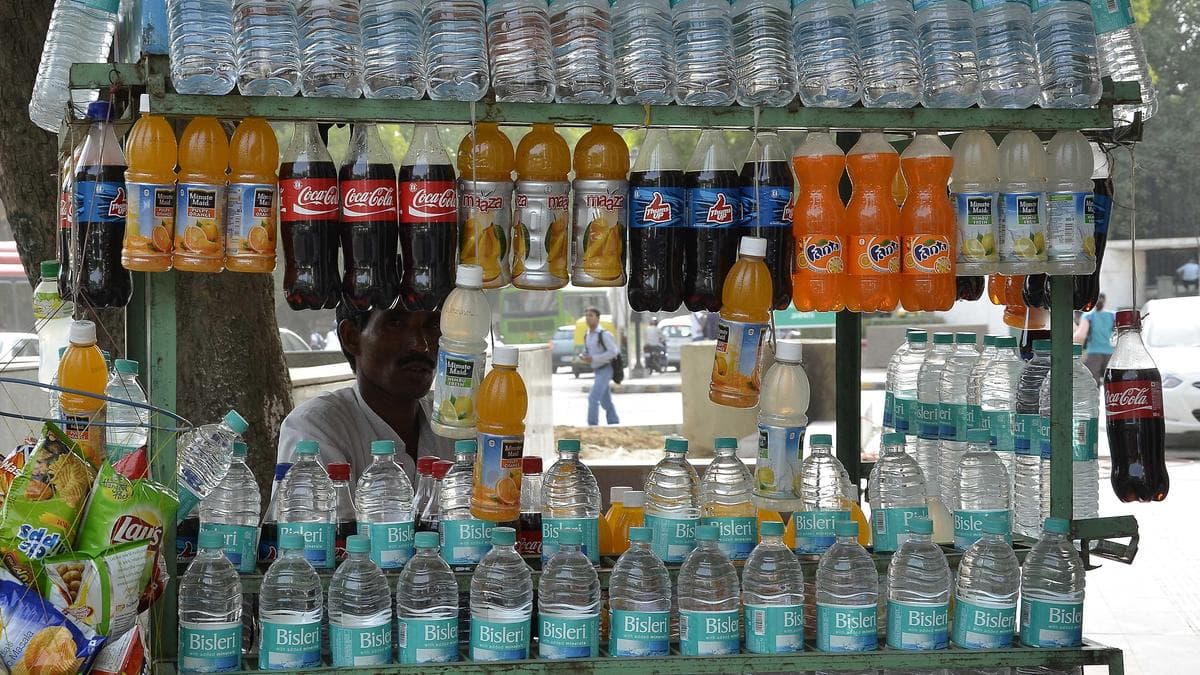
Ready-to-Drink Beverages Expected to Double by 2030 as Consumers Shift to Impulse Purchases: Redseer
Why It Matters
The forecast signals a massive growth runway for beverage makers and investors, while highlighting quick‑commerce as a critical distribution engine reshaping Indian F&B consumption.
Key Takeaways
- •RTD market to hit $40 billion in India by 2030.
- •Quick‑commerce sales in RTD category grew 100 % year‑over‑year.
- •Per‑capita RTD consumption remains under 20 litres, far below global averages.
- •Functional, better‑for‑you drinks are gaining consumer preference.
- •Brands must adapt pricing, innovation, and channel strategies for growth.
Pulse Analysis
India’s RTD beverage sector is still in its infancy compared with mature markets such as the United States, China and the United Kingdom. With per‑capita consumption hovering between 15 and 20 litres, the country’s total addressable market is vast, and the $40 billion projection for 2030 underscores a latent demand that manufacturers have yet to tap. This gap is amplified by a youthful demographic that increasingly values convenience, creating a fertile environment for rapid volume expansion.
The catalyst behind this acceleration is quick‑commerce, a delivery model that has doubled its RTD sales in the past year. Platforms that promise sub‑hour fulfillment are turning everyday beverage purchases into impulse decisions, blurring the line between planned grocery trips and on‑the‑spot consumption. Quick‑commerce revenue is expected to climb from $4 billion today to $25 billion by 2030, capturing a growing slice of the incremental demand and reshaping the traditional distribution hierarchy.
For brands, the implications are clear: product portfolios must evolve toward functional, health‑forward options that align with the “better‑for‑you” trend, while pricing and promotional tactics need to accommodate the high‑frequency, low‑ticket nature of impulse buying. Investors should watch for partnerships between beverage manufacturers and quick‑commerce players, as well as startups that innovate in packaging and shelf‑life to meet the speed expectations of Indian consumers. Companies that adapt quickly stand to secure a dominant share of a market poised for sustained, long‑term growth.
Ready-to-drink beverages expected to double by 2030 as consumers shift to impulse purchases: Redseer
Comments
Want to join the conversation?
Loading comments...