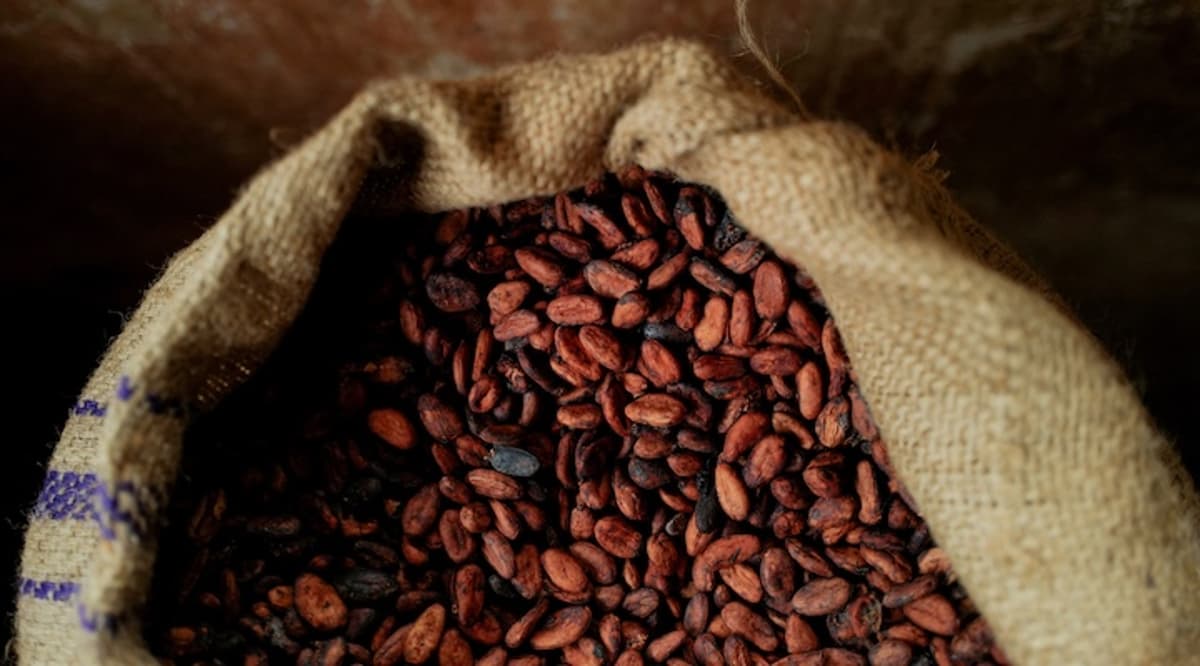
‘Real’ Chocolate Is Making a Comeback as Cocoa Prices Fall
Why It Matters
The price decline revives profitability for traditional chocolate, lowers consumer prices, and supports demand recovery for cocoa‑dependent farmers. It also reshapes product strategies across the global confectionery market.
Key Takeaways
- •Hershey will raise cocoa content in all Hershey’s and Reese’s products
- •Cocoa futures fell ~70% since late‑2024, easing profit margins
- •Lower cocoa costs enable retailers to cut chocolate prices and boost sales
- •Brazil law now mandates 35% cocoa solids for dark chocolate labeling
Pulse Analysis
The recent 70% plunge in cocoa futures marks the deepest correction since the 2024 price surge that pushed beans above $12,000 per metric ton. With weather‑related disruptions and disease driving the earlier rally, manufacturers responded by shrinking bars, adding fillers, and launching cocoa‑free alternatives. Now, the cheaper raw material restores the economics of real chocolate, allowing firms like Hershey to revert to classic formulations without sacrificing margins. This shift also eases pressure on retailers, who have been lobbying for lower shelf prices; early price trims in Europe hint at a broader consumer‑price ripple effect.
Beyond immediate cost benefits, the cocoa price reset has strategic implications for the supply chain. Barry Callebaut, which supplies a quarter of the world’s chocolate, projects 1‑5% volume growth through August, reflecting renewed demand from brands that had pivoted to vegetable‑fat substitutes. The resurgence benefits cocoa‑growing regions, especially Ivory Coast and Ghana, where an estimated two million smallholder farmers depend on steady bean demand. While analysts caution that full‑scale demand recovery may take up to 2.5 years, the current environment encourages a gradual re‑balancing toward traditional chocolate, even as niche cocoa‑free products retain a foothold.
Regulatory developments reinforce the trend. Brazil’s new law requiring a minimum 35% cocoa solids for dark chocolate aligns its standards with Europe and North America, tightening labeling rules and nudging manufacturers toward higher cocoa content. Combined with consumer nostalgia for authentic chocolate and the profitability edge over vegetable‑fat alternatives, the industry appears poised for a measured comeback of real chocolate. Stakeholders should monitor cocoa price volatility, as any rebound could reignite the shift toward cheaper substitutes, but for now the market is recalibrating toward richer, cocoa‑centric offerings.
‘Real’ chocolate is making a comeback as cocoa prices fall
Comments
Want to join the conversation?
Loading comments...