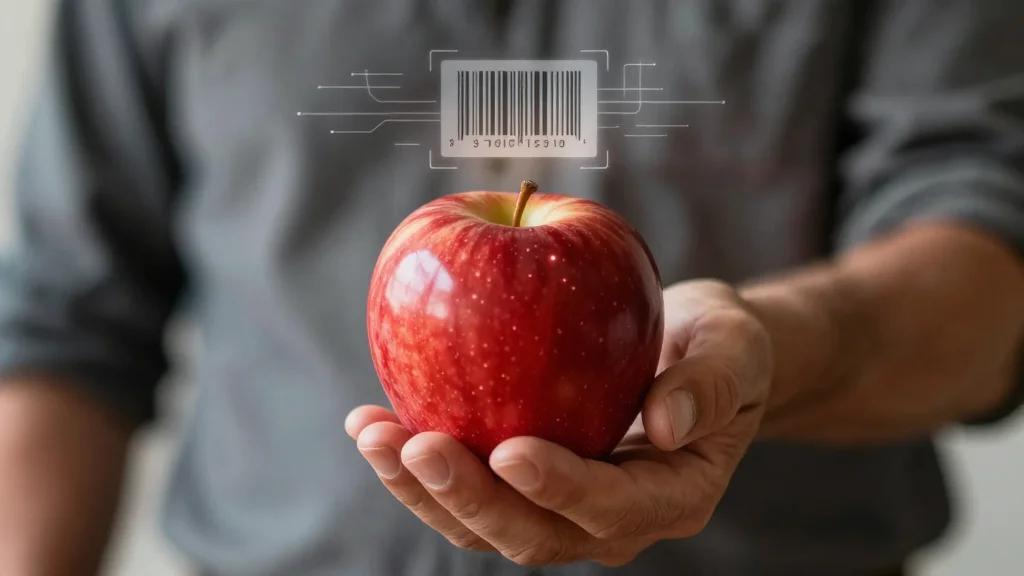
Recall Rodeo: Roping in Risk with Precision, Not Panic
Why It Matters
Inaccurate shelf‑level traceability inflates recall costs, disrupts operations, and chips away at consumer trust, making compliance and standardized data exchange critical for retailers and brands.
Key Takeaways
- •445 USDA/FDA recalls recorded by Sep 2025, highest since 2020
- •93% of U.S. adults worry about recall frequency
- •Shelf-level co‑mixing erodes lot visibility, forcing broader product pulls
- •FSMA 204 will require granular traceability for high‑risk foods
- •GS1 US standards like EPCIS enable cross‑partner data sharing for precise recalls
Pulse Analysis
The United States saw 445 food recalls by the end of September 2025, the most since 2020, and a staggering 93 % of adults say they are worried about how often recalls occur. For retailers, each notice triggers a frantic “recall rodeo” on the sales floor, where products from multiple shipments sit side‑by‑side and case‑level labels disappear. The pressure to pull the right items quickly collides with the reality that, once a case is opened, lot‑level visibility evaporates, forcing managers to make decisions in the dark.
This loss of granularity inflates the scope of recalls, driving up labor, logistics, and waste costs while eroding consumer trust. The upcoming FDA Food Safety Modernization Act Rule 204 (FSMA 204) raises the stakes by mandating precise, real‑time traceability for high‑risk foods. Without reliable data from manufacturers and distributors, even the most sophisticated retail systems cannot pinpoint the exact batch on the shelf. Consequently, many retailers opt for broader product pulls as a safety net, amplifying disruption and expense.
GS1 US offers a pragmatic path forward through globally recognized standards such as barcodes, Global Trade Item Numbers, and the Electronic Product Code Information Services (EPCIS) event‑based framework. By embedding lot‑level identifiers at every transaction and sharing them across trading partners, retailers can reconstruct a product’s journey from source to shelf in minutes rather than days. Collaborative groups of retailers and brands are already testing these protocols, reporting faster recall execution and reduced inventory loss. As the industry aligns on a common language, the recall rodeo can become a controlled operation, preserving both margins and consumer confidence.
Recall rodeo: Roping in risk with precision, not panic
Comments
Want to join the conversation?
Loading comments...