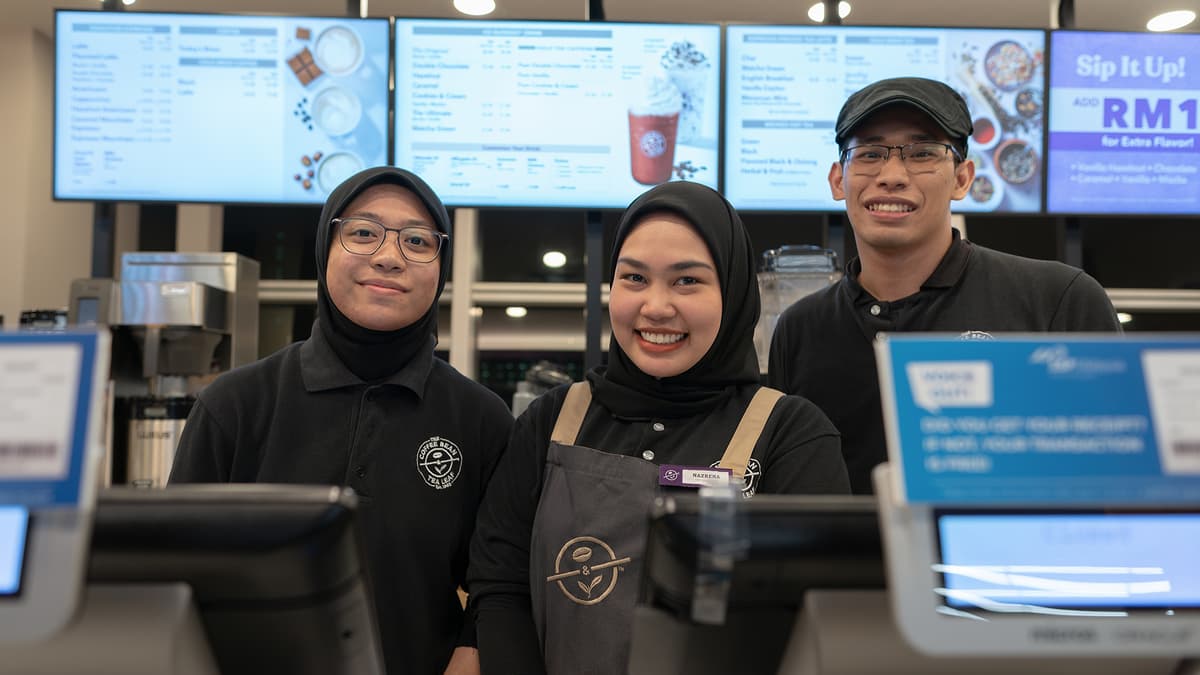
Rethinking Fast-Casual Growth in the Age of Instant Gratification
Why It Matters
Brands that fail to embed digital speed and flexible real‑estate into their DNA risk losing relevance, while those that do can capture higher traffic and stronger unit economics in a hyper‑competitive market.
Key Takeaways
- •Speed and digital ordering are now baseline expectations
- •Nontraditional sites like ghost kitchens expand reach without heavy real estate
- •Streamlined menus boost operational efficiency while preserving customization
- •Data‑driven test‑and‑learn rollouts create scalable growth playbooks
- •Aligning real estate with daily consumer routines drives sustainable expansion
Pulse Analysis
The fast‑casual sector is being reshaped by a consumer appetite for instant gratification. Millennials and Gen Z diners, accustomed to on‑demand services, now judge a brand first on how quickly and seamlessly they can order, pay, and receive food. This expectation has pushed digital ordering, contactless pickup, and third‑party delivery from optional perks to core service standards, forcing operators to redesign kitchens and staffing models to eliminate bottlenecks. Companies that ignore this shift risk losing market share to more agile competitors.
Real‑estate strategy, once dominated by high‑visibility strip malls, is undergoing a parallel transformation. Brands are increasingly leveraging nontraditional footprints—ghost kitchens, stadium concessions, and pop‑up locations—to meet customers where they already congregate. These formats lower capital outlay, accelerate market entry, and provide valuable data on demand patterns. By situating production close to dense residential or office clusters, operators can cut delivery times and improve order accuracy, creating a competitive edge without the expense of large storefronts.
Menu engineering and operational discipline have become equally critical. Successful chains are trimming excess SKUs, focusing on high‑margin, quickly assembled items while preserving customization that drives loyalty. Technology that syncs inventory, prep stations, and order queues ensures consistency across locations, enabling scalable rollouts. A test‑and‑learn approach—piloting concepts in compact sites before broader deployment—generates actionable insights and reduces risk. For franchisees and investors, these practices translate into stronger unit economics, higher same‑store sales, and a more resilient growth trajectory in an era where speed is the new baseline.
Rethinking fast-casual growth in the age of instant gratification
Comments
Want to join the conversation?
Loading comments...