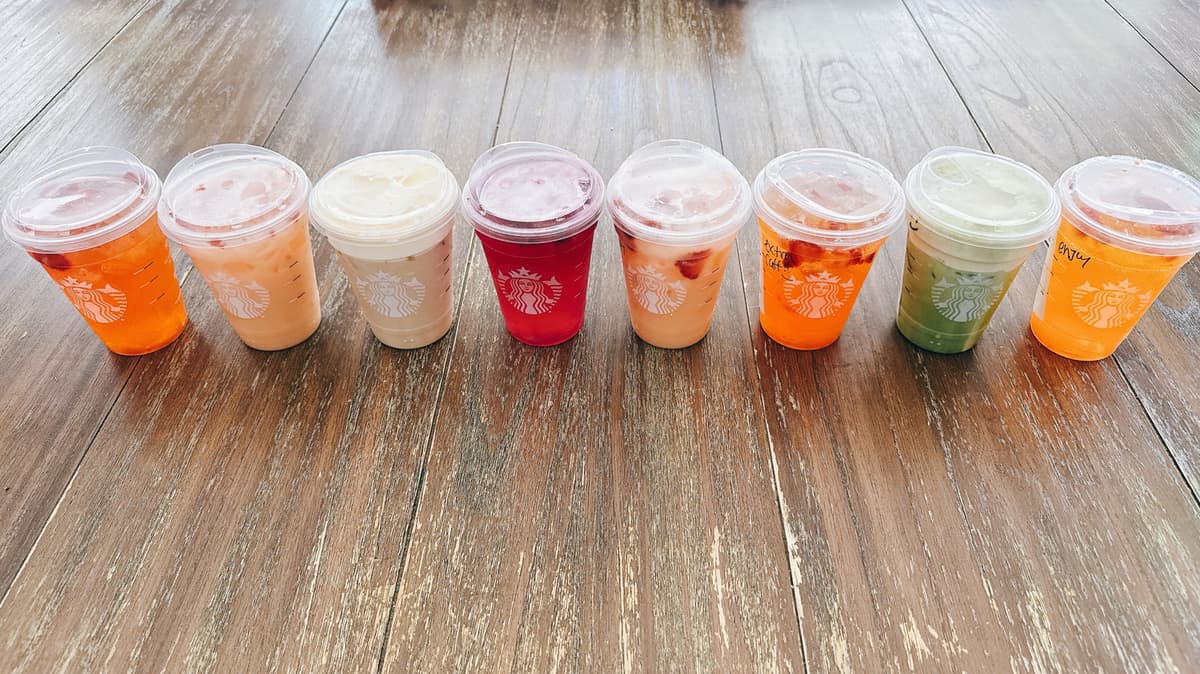
Review: Starbucks Mostly Nails Its Summery Mango Menu
Why It Matters
Starbucks is expanding its non‑coffee portfolio and tapping the growing demand for functional, fruit‑flavored drinks, reinforcing its position as a beverage innovator and driving incremental traffic during warmer months.
Key Takeaways
- •Starbucks added eight mango‑focused drinks to its permanent menu.
- •Refreshers offer optional caffeine boost of 50 mg or 125 mg with B vitamins.
- •Mango cold foam praised as the most compelling new component.
- •Iced Mango Cream Matcha emerged as the reviewer’s top pick.
- •Lemonade‑based mango drinks received mixed reviews for excessive tartness.
Pulse Analysis
Starbucks’ decision to cement a mango‑themed lineup reflects a broader industry shift toward seasonal fruit flavors that can be leveraged year‑round. By converting a traditionally limited‑time offering into a staple, the chain captures repeat traffic from consumers seeking a refreshing alternative to coffee. The eight‑drink suite also diversifies the brand’s portfolio, positioning Starbucks alongside competitors like Dunkin’ and Peet’s that have introduced fruit‑forward, low‑caffeine options. This strategic move underscores the importance of menu elasticity in maintaining relevance across shifting consumer palates.
Beyond novelty, the new drinks align with health‑conscious trends. Each beverage balances sugar—ranging from 28 g to 41 g per grande—with optional caffeine doses of 50 mg (light) or 125 mg (extra) plus B vitamins, echoing the functional‑beverage wave popularized by energy‑drink brands. The introduction of mango cold foam adds a texture dimension that elevates both matcha and chai variants, demonstrating Starbucks’ commitment to product innovation at the micro‑level. By offering customizable energy levels, the brand caters to both casual sippers and performance‑oriented consumers without alienating those who prefer a caffeine‑free experience.
The commercial implications are notable. Early pricing—$4.95 to $6.25 for a grande—places the mango line competitively within the premium specialty‑drink segment, likely boosting average ticket size. As the drinks remain on the menu indefinitely, Starbucks can monitor sales data to fine‑tune future fruit launches, potentially expanding into other tropical flavors. For investors and industry watchers, the mango rollout signals a proactive approach to sustaining foot traffic and enhancing brand perception as a trend‑setting, health‑aware coffeehouse, which could translate into incremental revenue growth throughout the spring and summer quarters.
Review: Starbucks Mostly Nails Its Summery Mango Menu
Comments
Want to join the conversation?
Loading comments...