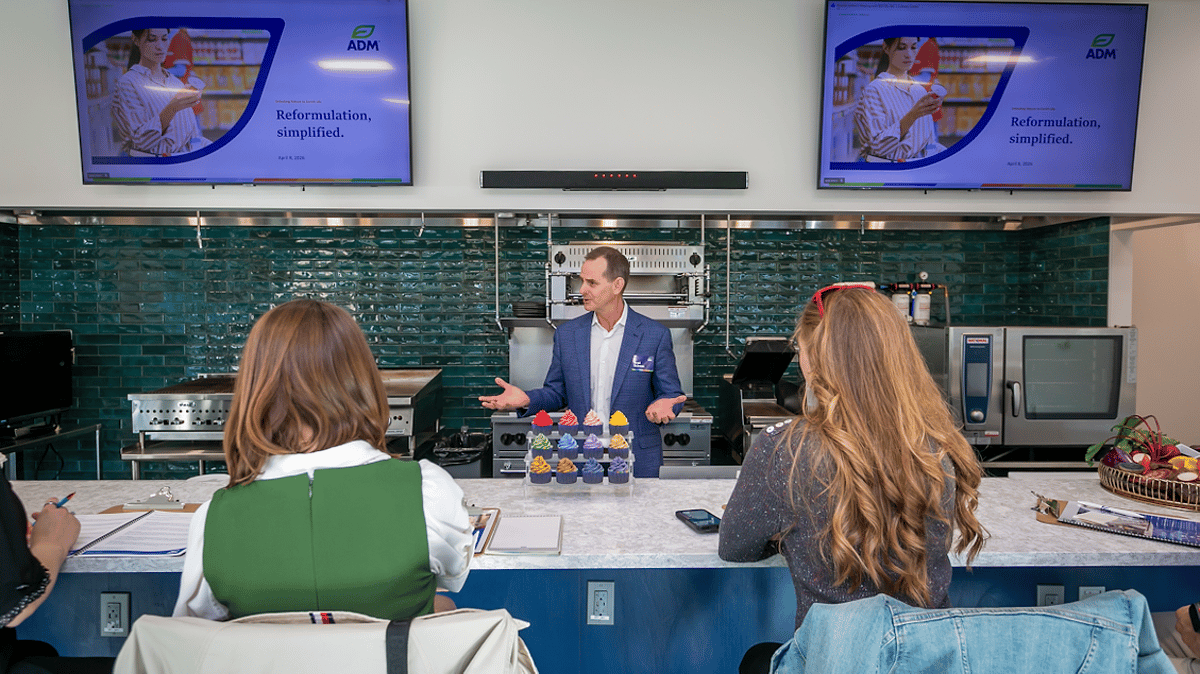
Why It Matters
The initiative signals a major shift toward nutrition‑focused product development, forcing manufacturers to overhaul formulations or risk losing market share. ADM’s investment and expertise give food and beverage brands a roadmap to comply with stricter labeling rules while satisfying health‑conscious shoppers.
Key Takeaways
- •ADM invested $40 million in Erlanger facility to boost U.S. reformulation capacity
- •Five pillars: cleaner label, less sugar, more protein, less sodium, optimized fat
- •GLP‑1 usage is driving demand for higher‑protein, fiber‑rich, smaller‑portion products
- •Sodium reduction remains challenging due to its role in flavor
- •Natural colors face shade, stability, cost, and supply consistency hurdles
Pulse Analysis
Consumer appetite for better‑for‑you products is reshaping the food and beverage landscape. Recent surveys show more than 80% of U.S. shoppers favor reformulated items, and 63% want brands to improve existing recipes rather than launch new ones. This trend is not limited to sweet drinks; it spans snacks, dairy, and ready‑to‑eat meals. Companies that can swiftly adapt to these preferences gain a competitive edge, while those lagging risk shelf‑space erosion. ADM’s five‑pillar framework directly addresses the core attributes—clean labels, reduced sugar, added protein, lower sodium, and optimized fats—that modern shoppers prioritize.
The five pillars reflect both consumer demand and tightening regulatory standards. Cleaner‑label initiatives respond to global calls for recognizable ingredients, while sugar‑reduction tools help brands meet lower‑calorie mandates without sacrificing taste. Protein enrichment leverages plant‑based sources, aligning with the rise of flex‑itarian diets. Sodium cuts are complicated by the mineral’s functional role in flavor and preservation, prompting the need for sophisticated flavor‑modulation technologies. Optimized fat systems aim to lower saturated fat levels while preserving mouthfeel, a balance critical for snack and confectionery categories. Additionally, the growing use of GLP‑1 therapeutics is nudging consumers toward higher‑protein, fiber‑rich, portion‑controlled offerings, further intensifying reformulation pressure.
ADM’s $40 million upgrade of its Erlanger facility underscores the scale of this transformation. The investment expands production capacity for custom ingredient blends, accelerates time‑to‑market for reformulated prototypes, and reinforces the company’s position as a strategic partner for brands navigating complex formulation challenges. By showcasing innovations like zero‑sugar tribiotic sodas and cleaner‑label dirty sodas, ADM demonstrates how advanced ingredient platforms can deliver health benefits without compromising sensory appeal. As regulatory bodies tighten labeling rules and consumers continue to prioritize wellness, firms that tap into ADM’s expertise are poised to lead the next wave of healthier, more profitable product portfolios.
Reworking formulation with ADM
Comments
Want to join the conversation?
Loading comments...