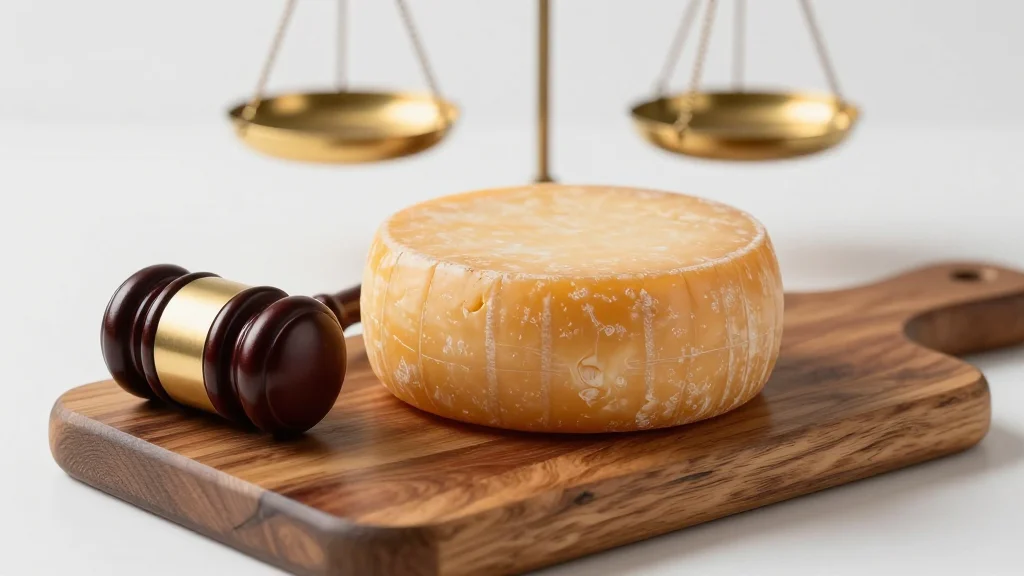
Sargento Exec Explains Why We Need to Define 'Natural Cheese'
Why It Matters
A federal definition of natural cheese will standardize labeling, reduce consumer confusion, and give dairy producers regulatory certainty, potentially shaping market positioning for premium cheese products.
Key Takeaways
- •CURD Act proposes statutory definition for “natural cheese.”
- •Natural cheese defined by four ingredients: milk, cultures, enzymes, salt.
- •Act distinguishes natural cheese from processed cheese in labeling.
- •Federal agencies already use “natural cheese” in guidance.
- •Clear definition aids schools, healthcare, and consumer nutrition choices.
Pulse Analysis
The dairy sector has long wrestled with ambiguous labeling, especially around the term “natural cheese.” While consumers intuitively differentiate cheddar or Havarti from processed slices, the lack of a legal definition has left manufacturers navigating a patchwork of state regulations and voluntary standards. Sargento’s Chad Hamilton leveraged his legal and government affairs expertise to champion the CURD Act, which borrows from existing FDA identity standards and international cheese definitions. By codifying the four‑ingredient rule—milk, cultures, enzymes, salt—the legislation seeks to lock in a definition that mirrors centuries‑old cheesemaking practices.
If enacted, the CURD Act could reshape product portfolios across the cheese industry. Brands that market premium natural cheeses would gain a clear label advantage, while producers of processed cheese would be insulated from inadvertent misbranding claims. The act also preserves the FDA’s broader authority over “natural” and “all‑natural” claims, preventing a slippery slope of regulatory fragmentation. For retailers, a uniform definition simplifies shelf‑tagging and inventory management, reducing the risk of costly recalls or consumer lawsuits. Moreover, clear labeling aligns with the growing consumer demand for minimally processed foods, potentially driving higher margins for natural‑cheese segments.
Beyond cheese, the CURD Act may set a precedent for other food categories seeking definitional clarity, such as “natural yogurt” or “real fruit juice.” As the U.S. Department of Agriculture and the Environmental Protection Agency already reference “natural cheese” in program guidance, federal codification would harmonize cross‑agency language and streamline compliance. In an era where nutrition guidelines emphasize whole, less‑processed foods, a precise definition helps schools and healthcare providers translate dietary recommendations into actionable choices, reinforcing public health objectives while supporting industry growth.
Sargento exec explains why we need to define 'natural cheese'
Comments
Want to join the conversation?
Loading comments...