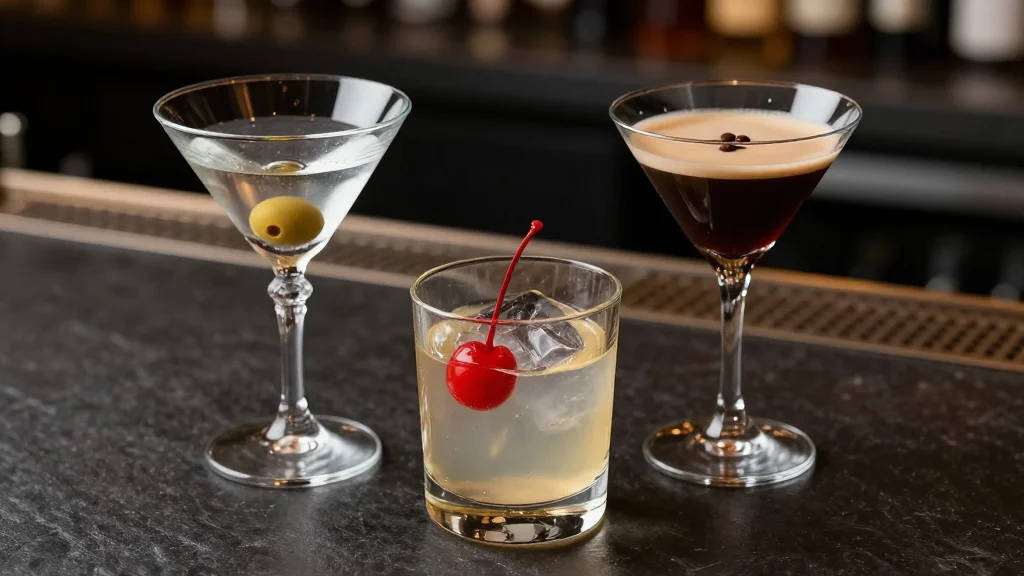
Say Cheers to the No-Frills Cocktail
Why It Matters
Simplified, affordable cocktail menus drive higher foot traffic and lower operational complexity, giving large hospitality groups a scalable model amid rising labor and ingredient costs. The approach also taps into nostalgia, resonating with both older drinkers and younger, socially‑driven consumers.
Key Takeaways
- •Classic cocktail menus attract steady foot traffic.
- •Simple drinks reduce training costs and ingredient waste.
- •Pricing under $20 meets New York affordability expectations.
- •Gen Z embraces retro drinks via viral social media.
- •Hospitality groups leverage nostalgia to boost margins.
Pulse Analysis
The resurgence of no‑frills cocktail bars reflects a broader shift in consumer preferences toward reliability and value. After years of hyper‑creative mixology, patrons are now seeking the comfort of familiar recipes that require fewer exotic ingredients and less specialized skill. For operators, this translates into streamlined inventory, reduced waste, and faster service—critical advantages in markets where labor shortages and inflation are squeezing margins. By pricing classic drinks below $20 in New York and around $12 in Chicago, establishments like Birds and Gus' Sip & Dip capture price‑sensitive diners while still delivering a premium experience.
Social media amplifies this retro appeal, especially among Gen Z who gravitate toward shareable, Instagram‑ready moments. A £7 (≈ $9) five‑olive martini at London’s Rasputin’s can spark viral buzz, driving foot traffic without costly marketing campaigns. Moreover, the simplicity of the menu allows bartenders to focus on execution and hospitality, fostering a communal atmosphere that encourages repeat visits. Chains such as Lettuce Entertain You leverage this model across multiple locations, using brand consistency to scale the nostalgic concept while maintaining local flair.
Looking ahead, the classic‑first strategy may become a staple for both independent venues and large operators. As ingredient costs continue to rise, bars that prioritize timeless recipes can hedge against volatility while meeting the growing demand for transparent, affordable dining experiences. The trend also opens opportunities for cross‑market collaborations, where a well‑executed Old Fashioned or Espresso Martini can serve as a universal touchpoint, linking consumers across cities and generations.
Say cheers to the no-frills cocktail
Comments
Want to join the conversation?
Loading comments...