Scottish Retail Body Criticises SNP Proposal for Food-Price Caps
Why It Matters
If enacted, food‑price caps could distort Scotland’s grocery market, jeopardize small retailers, and become a pivotal issue in the May election, influencing both consumer sentiment and policy direction.
Key Takeaways
- •SRC calls SNP food-price caps a “gimmick” and urges tax cuts.
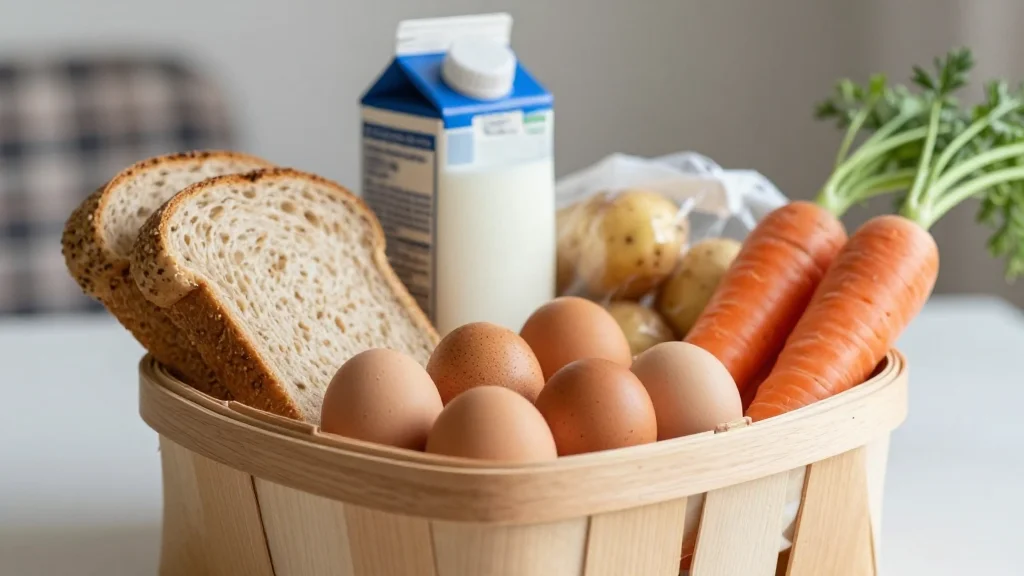
- •SNP proposes mandatory caps on 20‑50 essentials at large supermarkets.
- •Retailers warn caps could push shoppers to out‑of‑town stores, hurting locals.
- •Price caps may strain margins, risk small retailer viability.
- •Scotland’s grocery prices remain among Europe’s most affordable.
Pulse Analysis
The SNP’s price‑cap pledge arrives at a critical juncture, as Scotland heads toward a May 7 election and grapples with a cost‑of‑living squeeze. By targeting a basket of staple items—bread, milk, eggs—the party hopes to demonstrate tangible relief for households feeling the pinch of inflation. The proposal also signals a broader political trend where governments consider direct market interventions to curb grocery price spikes that have outpaced wage growth across the UK.
Retailers, however, argue that caps address symptoms rather than root causes. The SRC points to a “muddle of new regulations and taxes” that inflate operating costs, eroding the thin margins typical of grocery chains. Imposing price ceilings could force supermarkets to narrow product ranges, shift costs to un‑capped items, or even reduce promotional discounts. Smaller independent shops fear a spill‑over effect: if large chains lock in lower prices on select goods, consumers may travel farther to out‑of‑town supermarkets, undermining local trade and sustainability goals. The SGF warns that such dynamics could accelerate closures of community retailers already strained by regulatory burdens.
Scotland’s approach mirrors experiments elsewhere in Europe, from France’s temporary price caps on dairy to Germany’s discussions on limiting fuel costs. While short‑term consumer relief is politically appealing, economists caution that caps can create supply distortions, discourage investment, and trigger black‑market activity. A more durable solution may lie in trimming indirect taxes, simplifying compliance, and encouraging competition through transparent pricing. As the election draws near, the debate over price caps versus tax relief will likely shape voter perception of both the SNP’s economic credibility and the retail sector’s capacity to keep essential foods affordable.
Scottish retail body criticises SNP proposal for food-price caps
Comments
Want to join the conversation?
Loading comments...