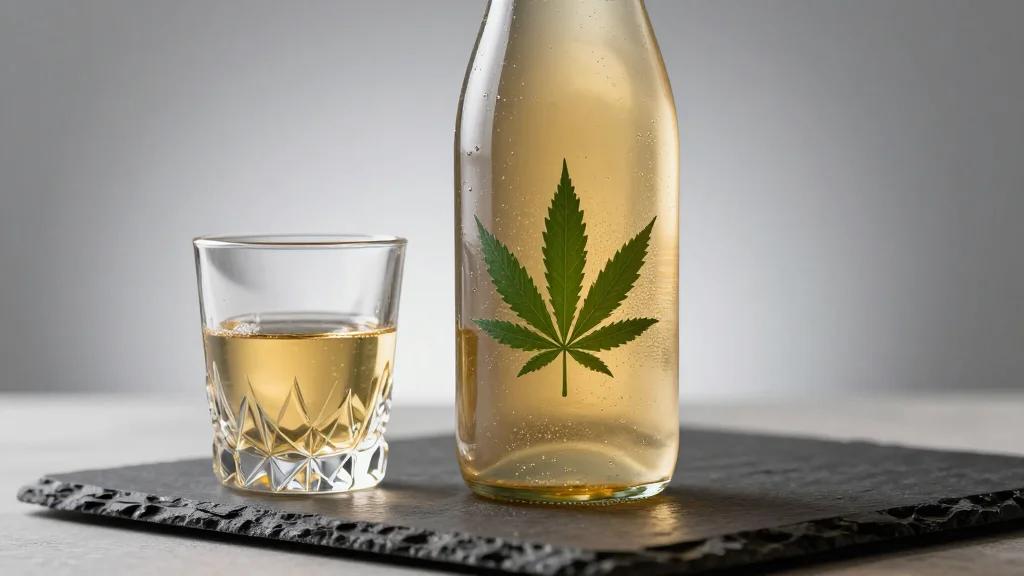
Senate Bill Floats Workaround for Hemp THC Beverage Ban
Why It Matters
It preserves a fast‑growing $28 billion sector and protects jobs while giving states regulatory flexibility.
Key Takeaways
- •Bill lets states legalize hemp THC drinks despite federal ban
- •Federal ban targets intoxicating hemp; synthetic THC remains prohibited
- •THC‑beverage market up 128% YoY, $28.4 billion impact
- •Bill attached to Farm Bill; House vote pending
Pulse Analysis
The Food and Drug Administration’s pending ban on intoxicating hemp products, set for November 2026, marks the first federal attempt to curb a segment of the cannabis‑derived market that has exploded in recent years. While the rule targets beverages and edibles containing low‑dose delta‑9 THC derived from hemp, it leaves a $28.4 billion economic footprint untouched, as manufacturers argue that the ban would stifle innovation and eliminate a growing alternative to alcohol. Analysts note that the sector’s 128 percent year‑over‑year growth reflects shifting consumer preferences toward milder psychoactive experiences and functional ingredients.
The Hemp Safety Enforcement Act, introduced by Senators Rand Paul, Amy Klobuchar and Joni Ernst, proposes a state‑opt‑out mechanism that mirrors the framework used for recreational marijuana. Under the bill, states that choose to opt out could continue selling hemp‑derived THC drinks, provided they enforce age limits and prohibit synthetically produced THC. This dual‑track approach aims to preserve state‑level experimentation while maintaining a federal safety net. By attaching the measure to the Farm Bill, supporters hope to leverage broader agricultural legislation to secure bipartisan backing, though the proposal still faces a uncertain House vote.
If enacted, the act could safeguard thousands of jobs in cultivation, processing, and distribution, and protect revenue streams for veterans, seniors, and other consumer groups that have embraced hemp beverages. However, the split regulatory model may create compliance complexities for national brands that must navigate divergent state rules. Investors are watching closely, as a clear legal pathway could unlock additional capital for product development and expansion. Conversely, states that maintain bans risk losing tax revenue and ceding market share to neighboring jurisdictions. The outcome will likely shape the future of the broader cannabis‑derived beverage industry.
Senate bill floats workaround for hemp THC beverage ban
Comments
Want to join the conversation?
Loading comments...