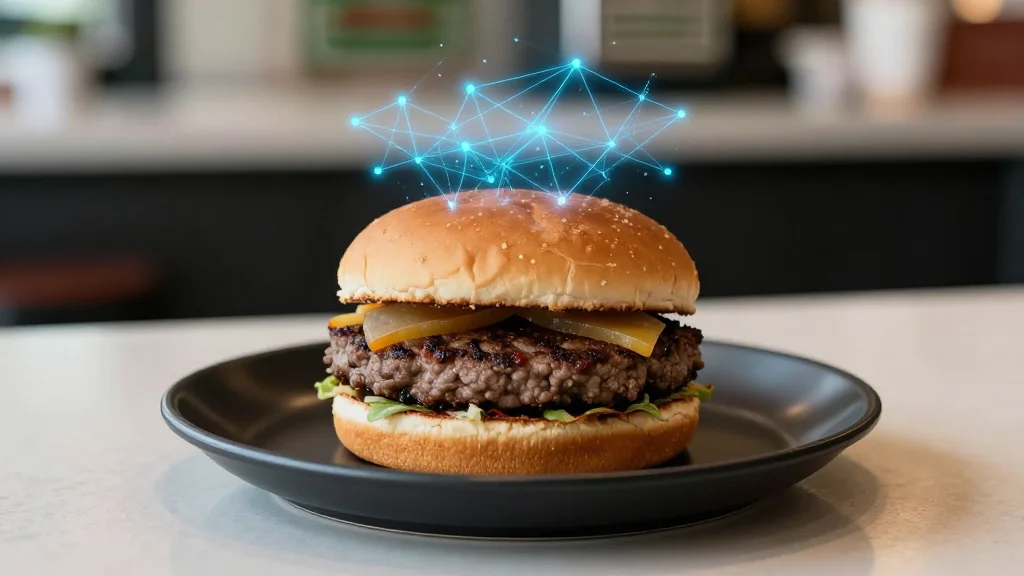
Shake Shack Unveils Restaurant Technology Initiative Focused on AI, Loyalty and Unified Commerce
Companies Mentioned
Why It Matters
Project Catalyst positions Shake Shack to achieve operational efficiency and deeper customer relationships, critical for sustaining rapid expansion in a competitive fast‑casual market. The integrated technology stack also signals a broader industry shift toward unified commerce and AI‑driven decision making.
Key Takeaways
- •Shake Shack targets 1,500 company‑owned locations with Project Catalyst.
- •Partnered with Qu to unify POS and kitchen display systems.
- •First loyalty platform will integrate across digital and in‑store channels.
- •AI layer will deliver real‑time operational insights for restaurants.
- •Unified data platform aims to improve scalability and decision‑making.
Pulse Analysis
Across the fast‑casual segment, operators are moving beyond patchwork software toward integrated platforms that can handle orders from mobile apps, kiosks, third‑party delivery services and in‑store guests in real time. Shake Shack’s Project Catalyst exemplifies this trend by stitching together point‑of‑sale, kitchen orchestration and guest‑engagement tools into a single cloud‑native architecture supplied by Qu. The unified approach reduces latency, simplifies training and creates a consistent experience across locations, a prerequisite for the brand’s ambition to reach 1,500 company‑run restaurants.
The initiative’s AI component is designed to surface actionable insights at the line‑cook and corporate levels. By feeding transaction data, labor metrics and inventory signals into proprietary models, the system can recommend staffing adjustments, predict peak demand and flag menu items that may be underperforming. This real‑time analytics layer transforms raw data into a strategic asset, enabling faster decision‑making and tighter cost control—key levers for margin improvement as the chain scales. Moreover, the integrated loyalty program will generate first‑party customer data, enriching the AI’s predictive power.
For investors, the technology spend signals a long‑term commitment to sustainable growth rather than short‑term promotional tactics. A streamlined operations backbone can accelerate same‑store sales, improve labor productivity and protect brand consistency, all of which translate into stronger earnings visibility. Competitors that continue to rely on siloed systems may face higher overhead and slower response to market shifts. As more restaurant brands adopt unified commerce and embedded AI, the competitive advantage will increasingly belong to those that can leverage data to personalize hospitality while maintaining operational efficiency.
Shake Shack Unveils Restaurant Technology Initiative Focused on AI, Loyalty and Unified Commerce
Comments
Want to join the conversation?
Loading comments...