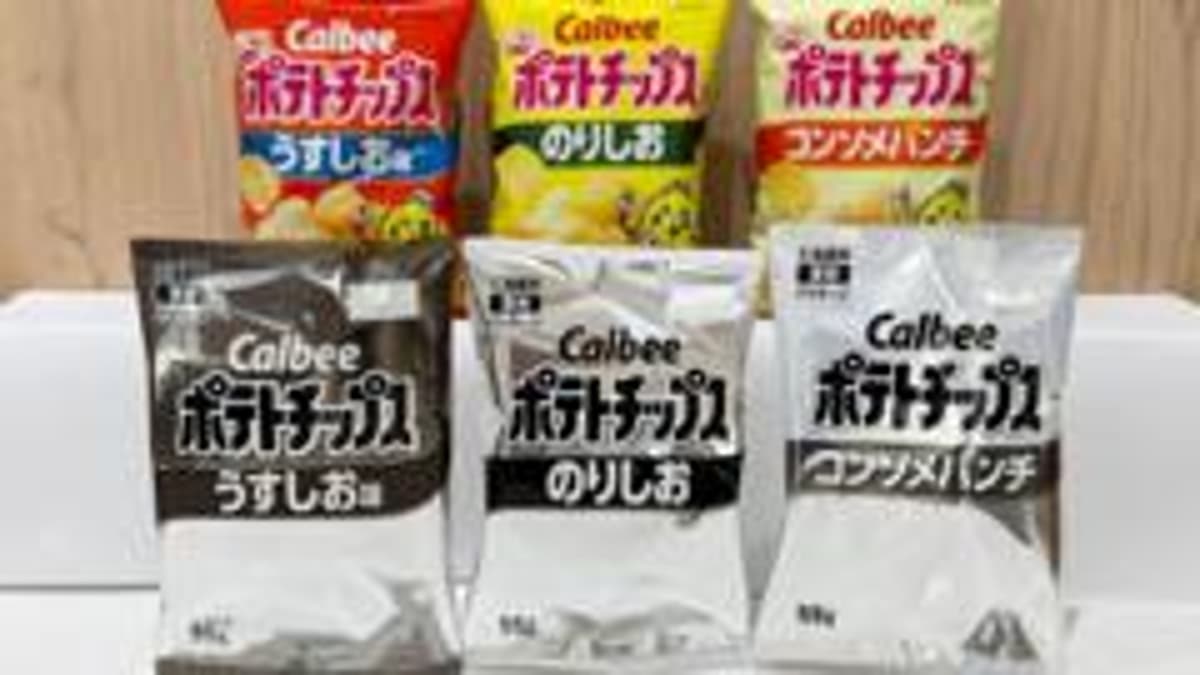
Snack Giant Switches to Black and White Packaging as Iran War Hits Ink Supplies
Companies Mentioned
Why It Matters
The change illustrates how geopolitical tensions can quickly force consumer‑goods companies to alter branding and operations, highlighting supply‑chain fragility. It also signals that rising material costs may soon be reflected in higher snack prices, affecting margins and shoppers alike.
Key Takeaways
- •Calbee adopts black‑white packs for 14 snack lines
- •Ink ingredient shortage stems from naphtha supply hit by Iran war
- •Asian naphtha prices have nearly doubled since February
- •Japan seeks alternative naphtha sources, including U.S. imports
- •Supply shocks force food firms to adjust packaging and pricing
Pulse Analysis
The Iran‑Israel conflict has reverberated far beyond the Middle East, with the closure of the Strait of Hormuz choking the flow of naphtha—a petroleum by‑product essential for ink and many plastics. As shipments stalled, Asian naphtha prices surged, almost doubling in just a few months. This commodity shock underscores the vulnerability of global supply chains that rely heavily on single‑source inputs, especially for low‑margin consumer goods where cost spikes quickly erode profitability.
Calbee’s swift pivot to monochrome packaging is a pragmatic response to the ink shortage. By eliminating colored inks, the company sidesteps the immediate raw‑material bottleneck while preserving shelf presence for its crisps and prawn crackers. The move also serves as a low‑cost branding experiment; a stark visual can attract attention, but it may also signal to price‑sensitive shoppers that cost pressures are mounting. For a brand built on vibrant packaging, the temporary austerity could influence consumer perception and set a precedent for other firms facing similar constraints.
Across Japan, manufacturers are scrambling to diversify their naphtha sources, eyeing U.S. supplies and other non‑Middle‑East producers. This strategic shift aims to buffer future disruptions and stabilize input costs. However, the added logistics and potential price premiums are likely to filter through to end‑users, prompting modest price adjustments in snack aisles. The episode serves as a cautionary tale for businesses: geopolitical risk management and multi‑source procurement are becoming as critical as product innovation in safeguarding margins and maintaining market confidence.
Snack giant switches to black and white packaging as Iran war hits ink supplies
Comments
Want to join the conversation?
Loading comments...