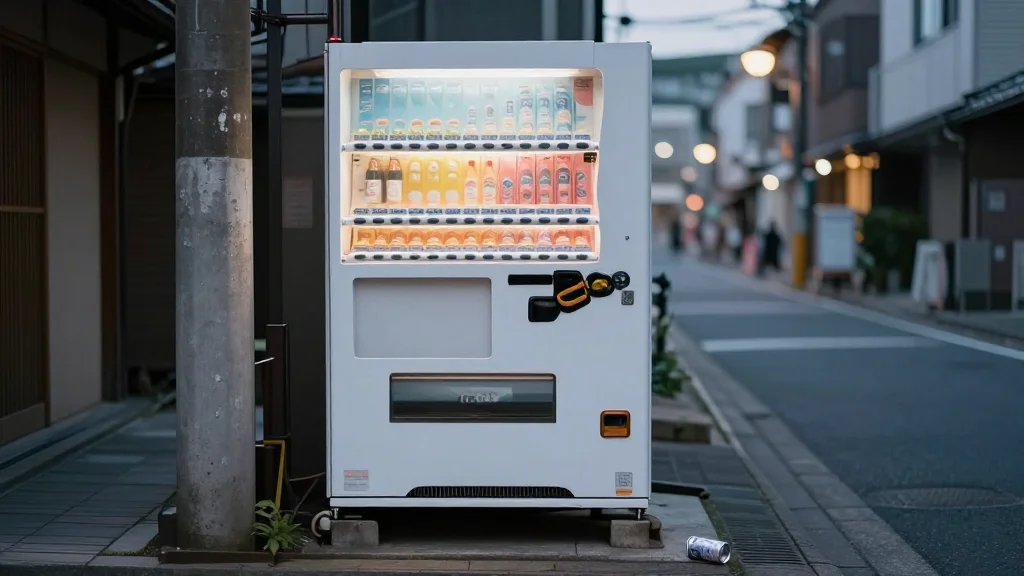
Soft Drink Vending Machines in Japan Fall Below 2 Million for 1st Time
Why It Matters
The contraction signals a fundamental shift in Japan’s on‑the‑go beverage distribution, pressuring legacy vending operators and reshaping retail competition. It also forces major drink makers to rethink asset allocation and profit models.
Key Takeaways
- •Vending machines fell to 1.95 million, first sub‑2M.
- •20% drop from 2014 peak, largest yearly decline.
- •Coca‑Cola Japan cut machines to ~650,000 units.
- •DyDo plans to remove additional 20,000 machines.
- •Consumers shift to supermarkets, hurting vending profitability.
Pulse Analysis
Japan’s vending‑machine culture has long been a hallmark of convenience, with machines dotting streets, train stations, and office buildings. Over the past decade, however, rising product prices and the proliferation of discount‑driven retail channels have eroded the once‑lucrative niche. The latest data, showing the fleet dipping below two million, underscores how consumer price sensitivity and the cost of restocking are reshaping demand. This trend reflects broader macro‑economic pressures, including stagnant wages and an aging population that values cost‑effective purchasing options.
For beverage manufacturers, the fallout is immediate and tangible. Coca‑Cola Bottlers Japan’s reduction to roughly 650,000 machines and DyDo’s planned removal of 20,000 units illustrate a strategic pivot away from high‑maintenance assets toward more profitable distribution pathways such as supermarkets, convenience stores, and direct‑to‑consumer platforms. The operational overhead of staffing, inventory management, and machine upkeep increasingly outweighs marginal sales, prompting firms to consolidate operations, renegotiate supplier contracts, and explore digital vending solutions that can adapt pricing in real time.
Looking ahead, the decline may accelerate as Japanese retailers double down on omnichannel experiences and leverage data analytics to capture price‑sensitive shoppers. Yet the vending‑machine ecosystem retains unique advantages—high visibility, 24/7 access, and a reputation for safety that appeals to tourists. Companies that integrate cashless payment, AI‑driven inventory optimization, and localized product assortments could revive the model, turning a shrinking asset class into a tech‑enabled growth engine. The sector’s evolution will likely serve as a bellwether for how traditional retail formats adapt to shifting consumer expectations in a digitally mature market.
Soft drink vending machines in Japan fall below 2 million for 1st time
Comments
Want to join the conversation?
Loading comments...