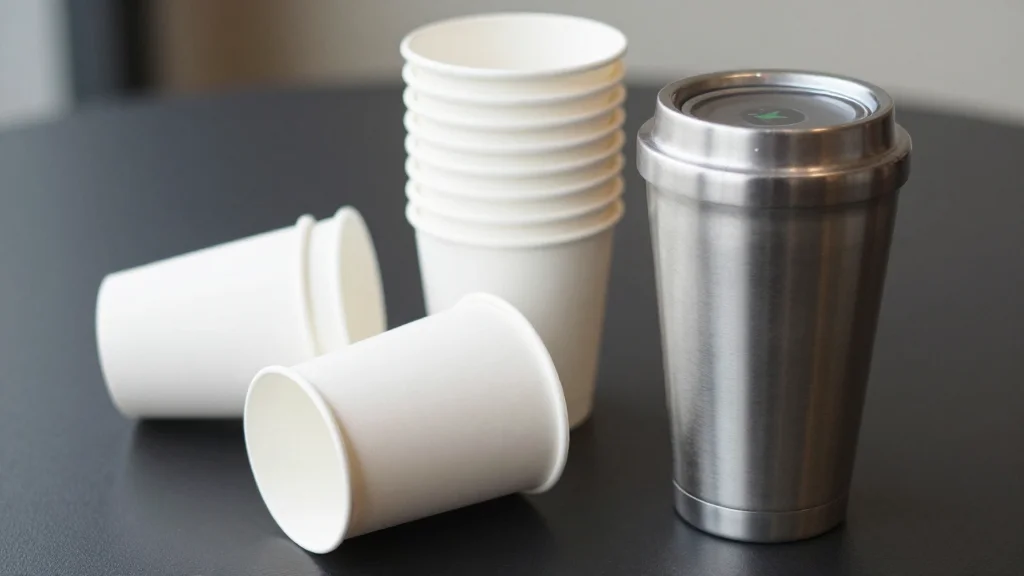
Some Don't Like It Hot: The Ugly Truth of Takeaway Coffee Cups
Why It Matters
The waste and injury risks threaten brand reputation and expose coffee chains to costly lawsuits, while sustainable solutions open new revenue streams and consumer loyalty opportunities.
Key Takeaways
- •2.5 billion UK coffee cups discarded annually, <1% recycled.
- •US consumes over 50 billion disposable cups each year.
- •$50 million verdict highlights scald injury liability for coffee chains.
- •Reusable tumbler bundles can boost revenue and loyalty program engagement.
- •Tech-enabled lids and bamboo cups offer spill‑proof, recyclable alternatives.
Pulse Analysis
The disposable coffee cup market has exploded, with billions of paper and plastic vessels ending up in landfills each year. In the United Kingdom alone, 2.5 billion cups are thrown away annually, and globally, a 2024 study estimates 500 billion paper cups contribute to mounting waste. These cups rarely enter recycling streams—less than one percent are processed—creating a significant carbon footprint and prompting regulators and NGOs to pressure retailers for greener alternatives.
Beyond environmental concerns, safety has emerged as a legal and financial liability. A high‑profile Los Angeles case in March 2025 resulted in a $50 million judgment after a customer suffered severe burns from a hot beverage, highlighting the need for better temperature control and spill‑proof designs. Consumers now expect coffee chains to mitigate scald risks, driving interest in smart mugs like Ember, leak‑proof lids from Zojirushi, and innovative paper‑cup lids from MTPak that maintain temperature while preventing spills.
These challenges also present growth opportunities. Bundling reusable tumblers with loyalty rewards can increase per‑transaction revenue and foster brand attachment. Sustainable materials such as bamboo‑fiber cups offer a recyclable solution that aligns with eco‑conscious branding. Additionally, creative repurposing—turning cups into plant holders or storage units—adds value and reduces waste perception. As coffee consumption continues to rise, firms that integrate safety tech and circular‑economy strategies will differentiate themselves, attract environmentally aware customers, and mitigate costly litigation.
Some don't like it hot: The ugly truth of takeaway coffee cups
Comments
Want to join the conversation?
Loading comments...