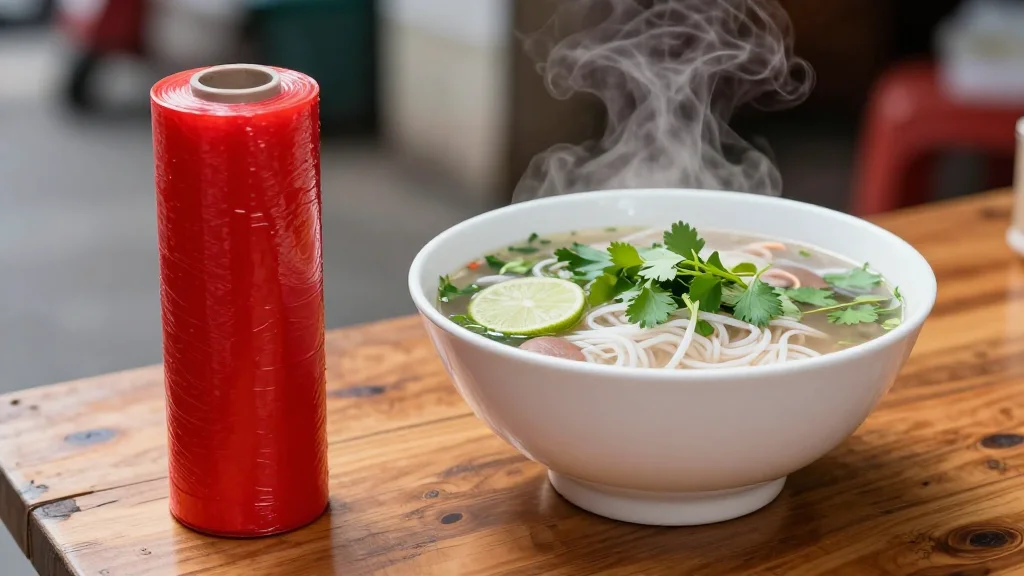
Southeast Asian Street Food Sellers Hit by Soaring Packaging Costs
Why It Matters
Rising packaging expenses erode thin margins for informal food businesses, potentially driving up street‑food prices and reshaping supply‑chain dynamics in the region.
Key Takeaways
- •Plastic wrap prices doubled across Southeast Asian street vendors.
- •Costs rose from 9,000 to 19,000 rupiah per 50 sheets.
- •Vendors face margin compression and potential price hikes.
- •Supply chain strain linked to Iran conflict and oil volatility.
- •Some sellers explore biodegradable alternatives to mitigate costs.
Pulse Analysis
The Iran conflict has rippled far beyond the Middle East, inflating global oil and petrochemical prices that underpin plastic production. As crude rates climbed, manufacturers of low‑density polyethylene— the material used for cheap food‑service wraps—passed cost increases onto distributors in Southeast Asia. This upstream shock has manifested as a near‑doubling of retail packaging prices for street‑food operators, a sector that relies on thin profit margins and high volume sales. The price shock underscores how geopolitical events can quickly translate into everyday cost pressures for informal economies.
For street‑food entrepreneurs, the immediate challenge is balancing cost recovery with price sensitivity among consumers. Many vendors, like Indonesian cake maker Tresnayati, risk losing customers if they raise menu prices, yet absorbing the extra packaging expense threatens profitability. Some are experimenting with reusable containers or locally sourced biodegradable alternatives, though these options often carry higher upfront costs and logistical hurdles. The situation highlights a broader trend: small food businesses must become more agile in sourcing and inventory management to survive volatile input costs.
Looking ahead, the packaging squeeze could accelerate investment in regional sustainable‑packaging initiatives. Governments and NGOs are already promoting compostable materials to reduce plastic waste, and the current price volatility may provide a catalyst for scaling such solutions. Policymakers might also consider temporary subsidies or tax relief for micro‑enterprises facing sudden cost spikes. Ultimately, the episode illustrates the interconnectedness of global geopolitics, commodity markets, and the livelihoods of street‑level food providers across Southeast Asia.
Southeast Asian street food sellers hit by soaring packaging costs
Comments
Want to join the conversation?
Loading comments...