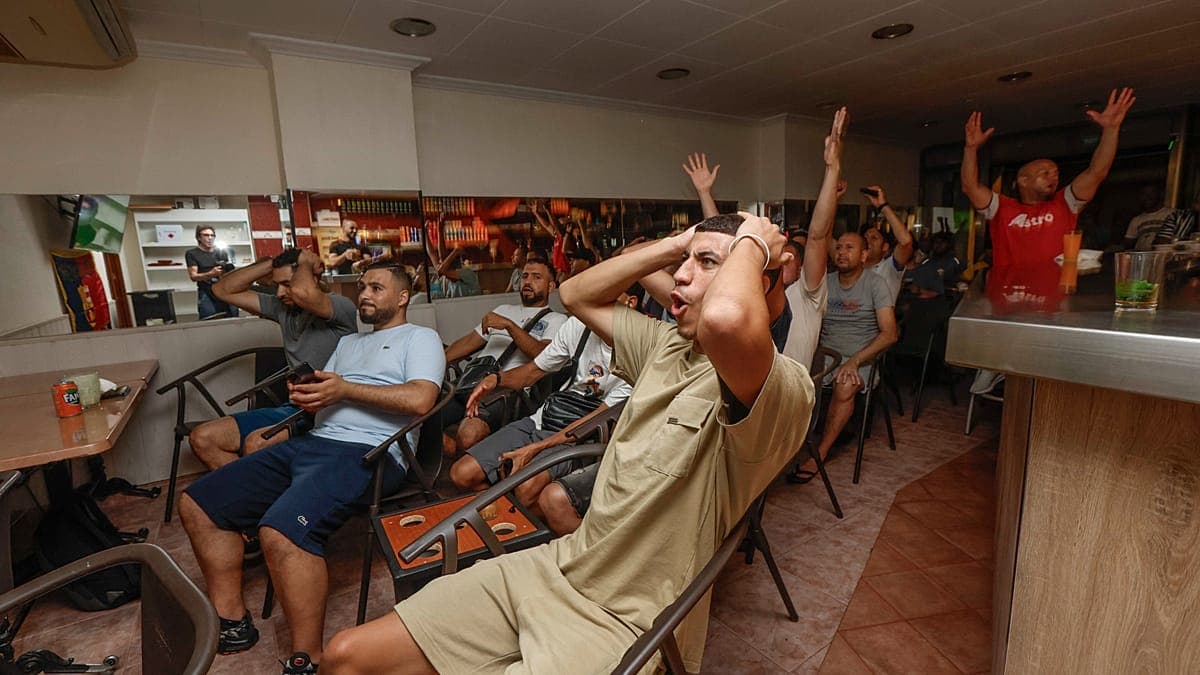
Spanish Bars Gear up for World Cup with Extra Beer and Staff
Companies Mentioned
Why It Matters
The tournament offers a sizable, time‑limited revenue boost for Spain’s hospitality sector, prompting operators to re‑engineer offerings and supply chains to capitalize on heightened consumer spending.
Key Takeaways
- •Over 50% of Spanish fans plan to watch World Cup in bars
- •Bars could boost revenues 25‑30% per match, up to $142 m total
- •Average spend per patron expected at $14‑$20 per game
- •Many venues add fast‑food menus, extra staff, and promotional giveaways
- •Delivery orders rise 82% before kick‑off as TV viewers stay home
Pulse Analysis
Post‑pandemic viewing patterns have reshaped how Spaniards consume sport. While a LaLiga survey indicates that more than half of fans will head to a bar for World Cup matches, data from Numerator and Glovo reveal that roughly two‑thirds still favor the comfort of their living rooms, ordering pizza, burgers, and other take‑away fare. This split reflects a broader European shift toward home entertainment, yet the cultural pull of football in Spain ensures that bars remain a vital gathering point for the most passionate supporters, especially as the tournament progresses and national pride intensifies.
For the hospitality industry, the World Cup represents a short‑term windfall. Hostelería de España estimates a 25‑30% uplift in bar takings on match days, translating into a potential $142 million boost if Spain reaches the final. Operators like El Amarillo and El Portón are already reconfiguring menus toward quick‑serve snacks, hiring extra staff, and deploying promotional items such as scarves and scratch‑cards to entice patrons. Average per‑customer spend is expected to climb to $14‑$20 per match, driven by higher beverage consumption and the allure of a festive atmosphere. These tactical adjustments aim to capture the limited but high‑value segment of fans who choose to watch the games away from home.
The ripple effects extend beyond the venue walls. Suppliers are accelerating orders to avoid stockouts of beer, soft drinks, and water, while delivery platforms report an 82% surge in pre‑kick‑off orders, underscoring the symbiotic relationship between bars and online food services. Moreover, demographic nuances—such as the strong following among Moroccan expatriates—highlight the multicultural dimension of the tournament’s economic impact. As the World Cup unfolds, Spanish bars will continue to balance the dual pressures of attracting in‑person crowds and supporting the booming delivery market, setting a precedent for future large‑scale sporting events in the post‑COVID hospitality landscape.
Spanish bars gear up for World Cup with extra beer and staff
Comments
Want to join the conversation?
Loading comments...