Specialty Coffee Holds Lead Over Traditional Coffee in the U.S.
Key Takeaways
- •Specialty coffee captured 47% past‑day market share, overtaking traditional 42%
- •Espresso‑based drinks reached 29% past‑day penetration, a record high
- •69% of 25‑39‑year‑olds drank specialty coffee weekly
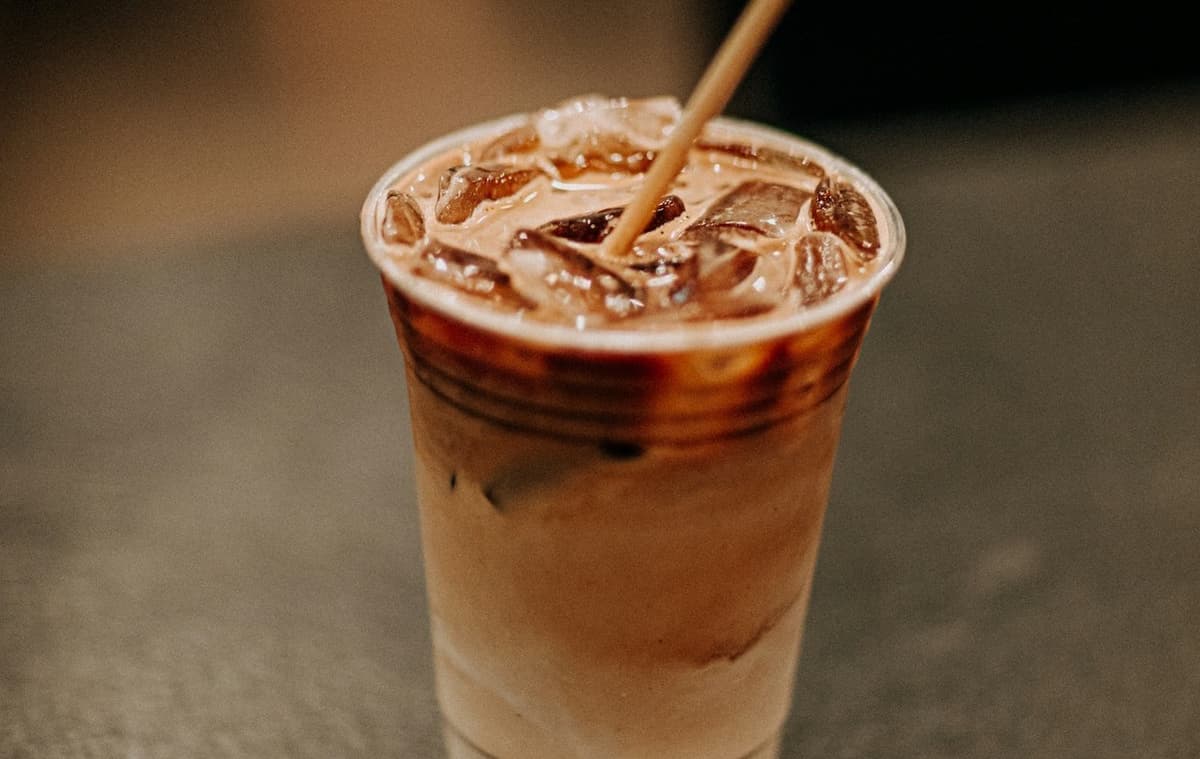
- •Cold‑brew and iced espresso grew, with 38% cold espresso weekly
- •Hispanic consumers lead specialty adoption at 67% weekly
Pulse Analysis
The specialty coffee surge reflects a broader consumer migration toward higher‑quality, experience‑driven beverages. Millennials and Gen Z shoppers are willing to pay a premium for craft preparation, flavor complexity, and perceived health benefits, driving the 10‑point jump in weekly specialty consumption since 2021. This trend is reinforced by the NCA’s data showing that 76% of specialty drinkers brew at home, prompting manufacturers to innovate in single‑serve pods, smart espresso machines, and ready‑to‑drink formats that blend convenience with premium taste.
Espresso‑based drinks now dominate the specialty segment, accounting for 45% of weekly specialty intake and hitting a 29% past‑day share—the highest on record. Cafés are expanding latte, cappuccino, and cold‑espresso menus, while equipment makers report heightened demand for high‑pressure espresso machines and milk‑frothing accessories. The flavor battleground is also evolving; consumers favor sweet, nutty, and chocolate notes, encouraging roasters to experiment with micro‑lot sourcing and bespoke blends that cater to nuanced palates. This espresso momentum is reshaping supply chains, from bean origin diversification to dairy‑alternatives that meet the 60% of drinkers adding whitener or syrup.
Cold coffee formats are gaining ground beyond seasonal spikes, with 38% of respondents reporting cold espresso consumption weekly. Hispanic consumers lead adoption at 67%, and coastal regions show the highest specialty penetration, suggesting regional product tailoring opportunities. Retailers are responding with expanded ready‑to‑drink lines, nitrogen‑infused cold brews, and flavored iced lattes, while supply chains adapt to increased demand for stable, high‑quality beans suitable for cold extraction. As the specialty market matures, brands that combine innovative brewing technology, diverse flavor portfolios, and targeted regional marketing are poised to capture the next wave of coffee growth.
Specialty Coffee Holds Lead Over Traditional Coffee in the U.S.
Comments
Want to join the conversation?