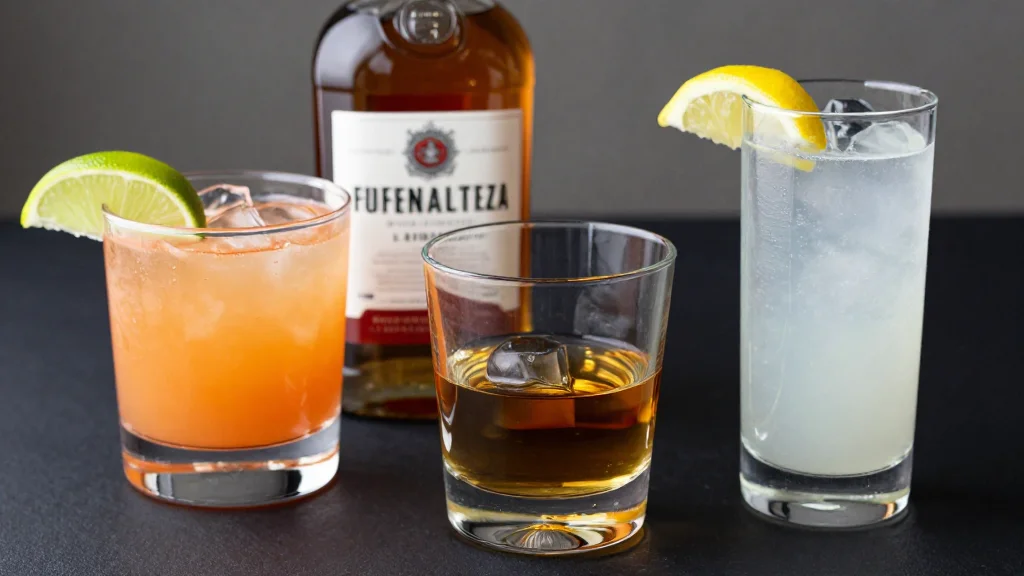
Spirits Market Faces Shifting Landscape, RTDs Continue to Drive Growth
Why It Matters
RTD and non‑alcoholic growth reshapes category dynamics, forcing legacy brands to innovate or lose relevance in a price‑sensitive, health‑conscious market.
Key Takeaways
- •RTDs up 20% volume, offsetting core spirits decline
- •Traditional spirits down 6% volume, 4% dollar sales
- •Premium‑plus brands hold 70% of spirits dollars
- •Non‑alcoholic spirits +62% volume, $1.01B sales
- •Tariffs threaten imported spirit margins, could raise prices
Pulse Analysis
The 2025 spirits landscape illustrates a classic "tale of two markets," where convenience‑driven ready‑to‑drink cocktails have become the primary growth engine. Consumers, especially younger cohorts, gravitate toward canned cocktails that promise lower sugar, clear calorie counts, and on‑the‑go portability. This shift has propelled RTD volume up roughly 20% year‑over‑year, allowing the overall category to post modest volume gains despite a 6% contraction in traditional spirit sales. Brands that have embraced flavor innovation and small‑format packaging—such as Surfside, High Noon, and Cutwater—are capturing the premium‑plus share, which now accounts for about 70% of total spirits dollars.
Parallel to the RTD surge, the sober‑curious movement is reshaping consumption patterns. Non‑alcoholic spirits and low‑proof offerings recorded double‑digit growth, with NA spirit sales climbing 62% and surpassing $1 billion in off‑premise dollars. While these products still represent a fractional slice of the overall market, they act as a gateway for consumers who moderate alcohol intake yet still seek sophisticated flavor experiences. Retailers are expanding shelf space, and legacy alcohol giants are launching alcohol‑free lines to stay relevant, reinforcing the broader premiumization trend that now emphasizes quality over quantity.
Looking ahead, external pressures could temper optimism. Tariffs on imported whiskies, tequilas, and European liqueurs threaten to raise costs, potentially squeezing price‑sensitive shoppers and prompting brands to adjust promotions or pricing strategies. Additionally, the moderating impact of GLP‑1 weight‑loss drugs and shifting social media narratives around wellness may further compress traditional spirit volumes. Nonetheless, analysts project that with RTDs maintaining 12‑17% volume growth, the category could still achieve modest 1‑2% overall expansion in 2026, provided brands continue to align product innovation with health‑focused, socially driven consumer preferences.
Spirits market faces shifting landscape, RTDs continue to drive growth
Comments
Want to join the conversation?
Loading comments...