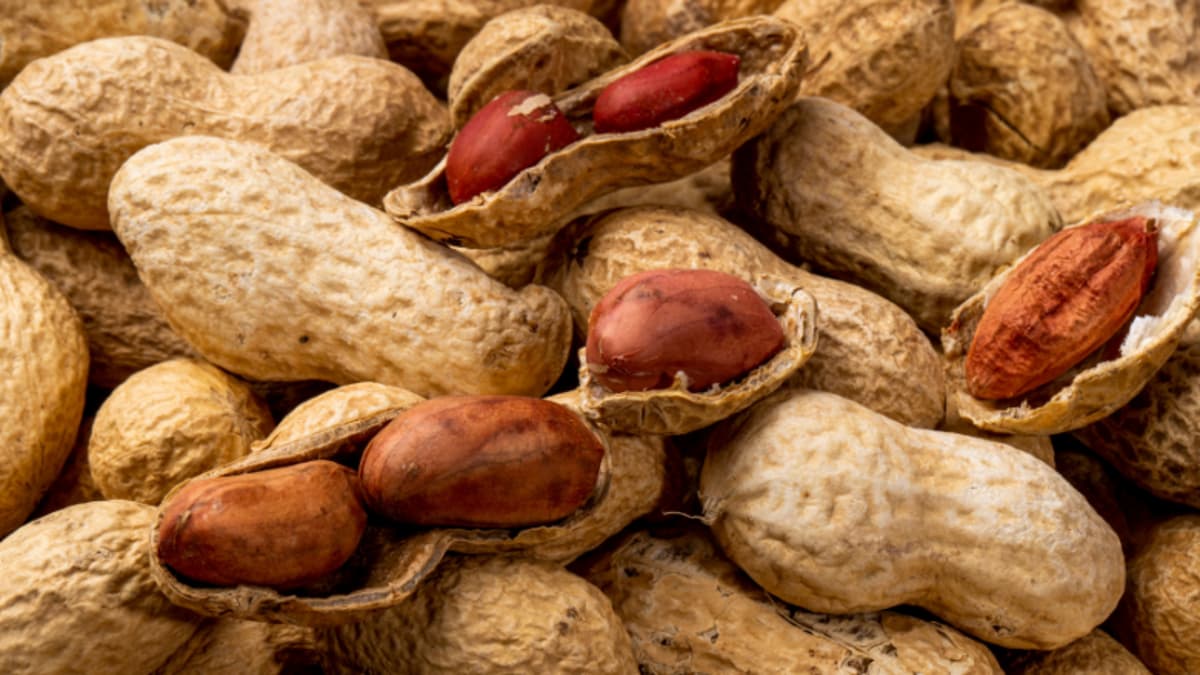
Study Finds Cold Plasma Treatment Reduces Peanut Allergenicity
Why It Matters
Reducing peanut allergenicity without compromising functionality could transform ingredient sourcing for food manufacturers and lower consumer risk. The findings point to a scalable, non‑thermal solution that may reshape allergy mitigation strategies across the food industry.
Key Takeaways
- •Cold plasma cuts peanut protein immunoreactivity by ~70% in 25 minutes.
- •Treated proteins retain functional properties for food manufacturing.
- •Nitrite levels rise, suggesting a key role in allergen reduction.
- •Method could apply to eggs, tree nuts, and other allergens.
- •Faster intestinal digestion of treated proteins may further lower risk.
Pulse Analysis
Cold plasma, a non‑thermal technology that generates ionized gases, has emerged as a promising tool for food safety. Unlike heat or irradiation, it can modify molecular structures without degrading taste, texture, or nutritional value. In the context of food allergens, this approach offers a way to target the protein epitopes that trigger immune responses while leaving the broader food matrix intact, addressing a long‑standing challenge for manufacturers seeking hypoallergenic formulations.
The McGill study quantified a striking 70% drop in peanut protein immunoreactivity after a 25‑minute plasma exposure, accompanied by increased nitrite concentrations. Researchers propose that nitrite may facilitate oxidative modifications that disrupt allergenic epitopes, a hypothesis that aligns with earlier work on plasma‑generated reactive species. Importantly, the treated proteins maintained emulsifying and foaming capabilities, suggesting they can be directly incorporated into products such as protein powders, snacks, and bakery items without compromising performance.
If scaled effectively, cold plasma could become a cornerstone of allergen‑risk management across the food sector. Its rapid processing time and low energy footprint make it attractive for large‑scale operations, while regulatory pathways for novel processing aids are already being charted in major markets. Extending the method to other high‑risk foods—eggs, tree nuts, and even dairy—could dramatically broaden the portfolio of safe, allergen‑reduced ingredients, offering manufacturers a competitive edge and consumers greater dietary freedom.
Study Finds Cold Plasma Treatment Reduces Peanut Allergenicity
Comments
Want to join the conversation?
Loading comments...