Study Identifies Chemical Differences in Civet Poop Coffee
Key Takeaways
- •Civet‑processed beans contain higher caprylic and capric acid methyl esters
- •Fat content is greater in wild‑civet coffee than in regular beans
- •Study found limited chemical distinction when multiple metrics are combined
- •Findings highlight ongoing fraud and animal‑welfare concerns in kopi luwak market
Pulse Analysis
Kopi luwak, often marketed as the world’s most exclusive coffee, commands prices that can exceed $500 per pound for authenticated wild‑civet batches. The product’s allure stems from a myth that the animal’s digestive enzymes transform the beans, creating a smoother, more aromatic cup. Yet the supply chain is riddled with opacity: farms frequently use caged civets, counterfeit labels proliferate online, and animal‑welfare groups have documented severe cruelty. This backdrop makes any scientific insight into the bean’s actual composition highly relevant for buyers and regulators.
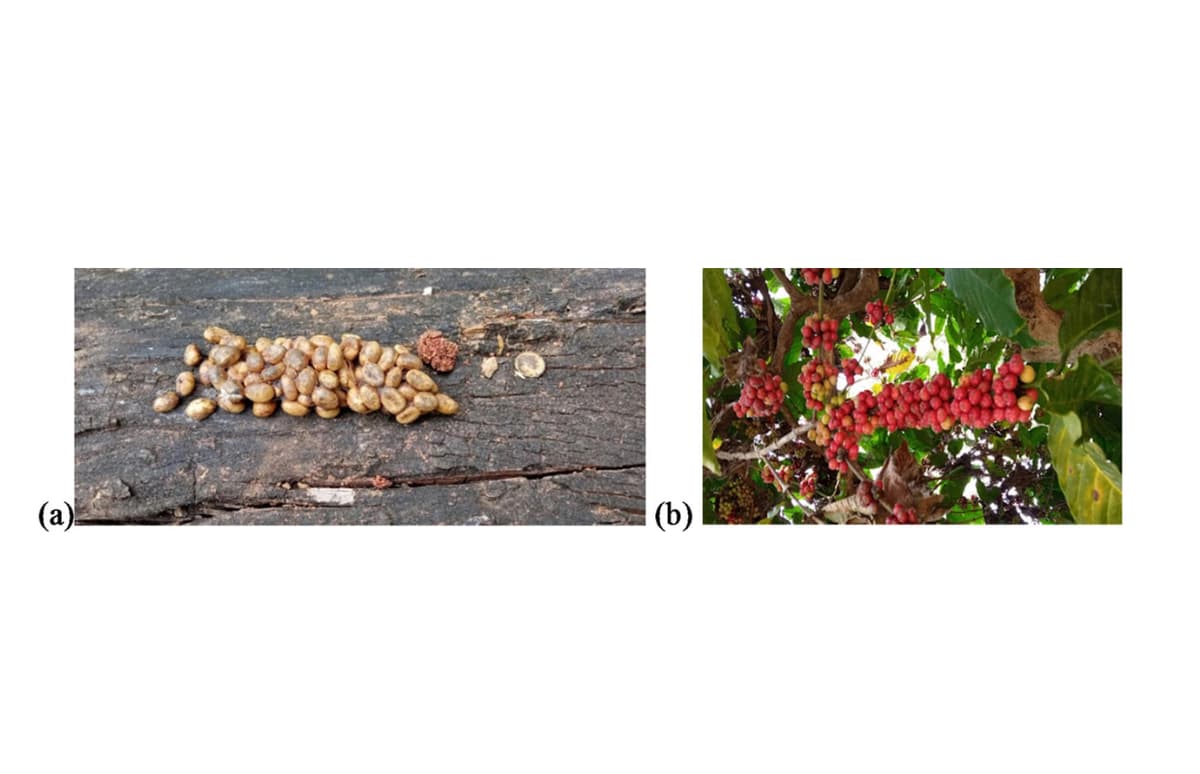
The recent Scientific Reports paper examined unroasted robusta beans harvested from wild Asian palm civet droppings in India and compared them with beans picked directly from the same estates. Gas chromatography‑mass spectrometry revealed that civet‑processed beans contain higher total fat and elevated levels of caprylic and capric acid methyl esters, compounds associated with dairy‑like aroma. However, when the researchers applied multivariate analysis across all measured metabolites, the two sample groups overlapped substantially, suggesting that the digestive process may only modestly alter the bean’s chemical profile.
Even with these nuanced findings, the study does little to resolve the market’s credibility crisis. Most premium kopi luwak sold internationally is labeled as Arabica, while the research focused on robusta, leaving a gap between scientific evidence and consumer expectations. The highlighted chemical markers could become tools for authentication, helping to combat the “rampant fraud” uncovered by animal‑welfare NGOs. Meanwhile, regulators and specialty roasters are likely to tighten traceability standards, pushing the industry toward transparent, cruelty‑free sourcing that aligns with growing ethical consumer demand.
Study Identifies Chemical Differences in Civet Poop Coffee
Comments
Want to join the conversation?