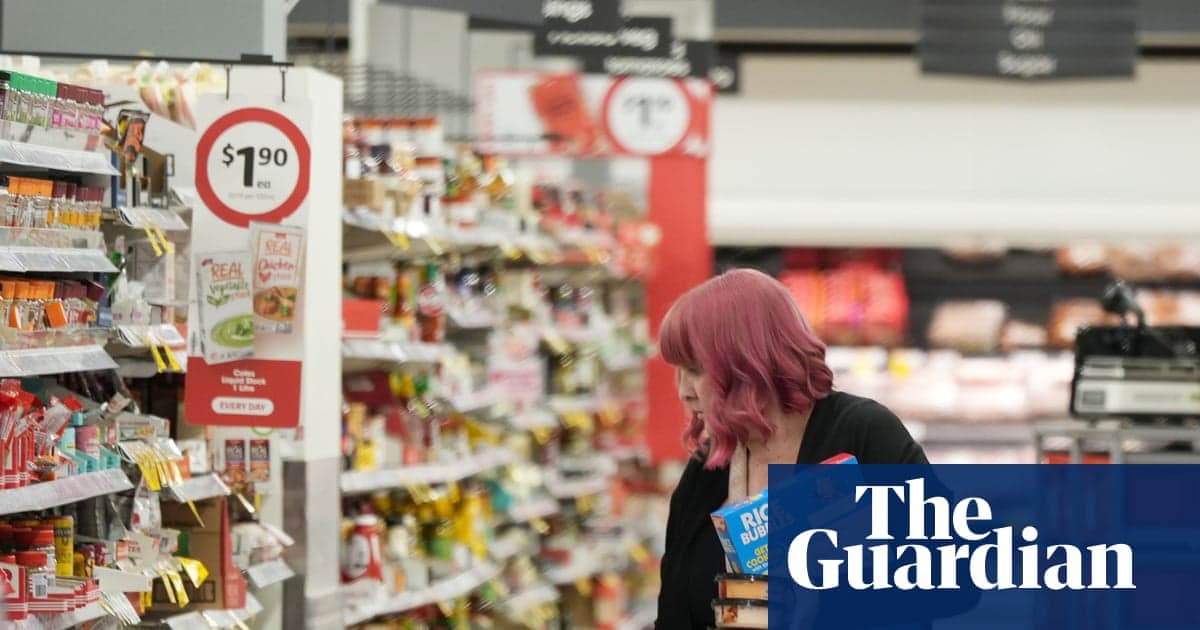
Supermarket Foods Claiming to Be ‘Natural’ or ‘Sustainable’ Mostly Just Using Marketing Terms, Researchers Find
Why It Matters
Consumers rely on on‑pack labels to make eco‑friendly choices, yet misleading claims erode trust and can divert purchases toward higher‑impact products. Standardized, verified labeling could steer the market toward genuinely sustainable foods.
Key Takeaways
- •39% of surveyed Australian supermarket items carry sustainability claims
- •“Natural” and “vegan” are the most frequent environmental labels
- •In meat and confectionery, labeled products emit more CO2 than unlabeled
- •Lack of standardized definitions fuels consumer confusion and greenwashing risk
Pulse Analysis
The George Institute for Global Health’s sweep of 27,000 Australian grocery items reveals that sustainability branding has become a marketing staple rather than a guarantee of lower environmental impact. Labels such as “natural,” “vegan,” and “sustainable” appear on almost four in ten products, yet most are self‑assigned by manufacturers without third‑party verification. This unchecked proliferation creates a fertile ground for greenwashing, where the promise of eco‑friendliness masks the reality of a product’s carbon footprint.
When researchers cross‑checked carbon emissions, the picture grew murkier. While some categories showed modest reductions, meat and confectionery—two of the sector’s most carbon‑intensive groups—featured products that, despite boasting climate‑friendly tags, actually emitted more greenhouse gases than their unlabelled counterparts. Such contradictions undermine consumer confidence and dilute the credibility of genuine sustainability efforts. The findings underscore a critical gap: shoppers seeking to shrink their ecological footprint are being misled by ambiguous claims, potentially reinforcing high‑impact consumption patterns.
The study’s implications extend beyond Australia’s borders. Nations like France have introduced the Eco‑Score, a traffic‑light system that translates lifecycle data into an easy‑to‑read rating, offering a model for transparent, evidence‑based labeling. Policymakers in Australia and elsewhere face mounting pressure to standardize definitions, enforce independent verification, and curb deceptive marketing. Until such frameworks materialize, experts advise consumers to focus on broader dietary shifts—reducing meat intake and prioritizing fruits, vegetables, and legumes—rather than relying on individual product claims.
Supermarket foods claiming to be ‘natural’ or ‘sustainable’ mostly just using marketing terms, researchers find
Comments
Want to join the conversation?
Loading comments...